Category: Health

  • Airtel Malawi staff in Blood Donation drive

    Airtel Malawi staff in Blood Donation drive

    In a bid to help those in need of blood in the country’s hospitals, Airtel Malawi Plc staff members from the telecommunications company headquarters yesterday donated blood to the Malawi Bureau of Standards in Lilongwe.

    The blood donation drive which is an annual initiative by the company saw more than 30 staff members donating blood.

    Airtel Malawi Managing Director Charles Kamoto expressed pride in the company’s contribution to the community.

    Kamoto said beyond the immediate impact, Airtel Malawi aims to foster a culture of blood donation in the country. He said the company plans to intensify awareness campaigns and encourage more individuals and organizations to participate in future drives.

    “We are deeply committed to the health and well-being of Malawians. This year’s blood donation drive is a testament to our dedication. By coming together, we have saved lives and made a tangible difference. As Airtel Malawi we would like to set a precedence for other entities in the private sector to take up community responsibilities,” said Kamoto.

    Malawi faces a persistent blood crisis, with many lives at risk due to insufficient supply. This year’s drive was a crucial step towards mitigating this challenge.


  • NTLEP intensifies battle against TB among children

    NTLEP intensifies battle against TB among children

    Reported by By Brown Mdalla:

    National Tuberculosis and Leprosy Elimination Program (NTLEP) says, it is committed at ensuring the reduction of TB cases among children.

    NTLEP which has locally intensified the fight against not TB and Leprosy also says it is doing everything possible to end the bacterial infection among both adults and children. The organization stresses that, it is currently running a campaign aimed at eradicating the infection.

    The institution says, for along time the number of adults diagnized with the bacterial infection hasbeen higher than children.

    The institution therefore says it is determined to ensure that the war against the infection is won both in adults and children.

    In a questionnaire response NTLEP official Samuel Chirwa said, Malawi is currently making undoubted success in TB fight both in children and adults and is determined to keep records low.

    While admitting that TB cases among elders are higher than in children, the institution is doing everything possible to ensure that TB cases among adults are also reduced.

    “Globally, in 2022, it was estimated that 1.25 million children and young adolescents between 0-14 years old, suffered from TB, but only 51 percent were diagnosed with TB or not reported to national TB programs.

    “On the other hand Malawi has made tremendous progress in the fight against TB. Despite this success, there are several programmatic areas that require strengthening including Childhood TB. In 2023 Malawi reported 1,338 cases of childhood TB representing 7 percent of all TB cases against the target for Malawi from 2024 to 2027 which is 12 percent per year,” explains Chirwa.

    Though a few number of children are diagnosed with the infection, Chirwa says, signs and symptoms of the infection are common among children and adults which health officers should understand.

    Chirwa says children believed to be suffering from the TB usually have persistent cough which doesn’t not respond to medication, they also have fevers, lose weight and experience night sweats.

    He however says, most children believed suffering from TB also develop pneumonia especially among those less than 5 years old which he says leads to malnutrition.

    The TB officer however, admits that it is difficult the to test children for TB because its hard for them to give sputum samples.

    He says the difficult part in testing children for TB comes in because the young ones usually swallow sputum which eventually goes into the digestive system.

    He therefore says in such scenarios health officials are expected to test stools that contain the swallowed sputum.

    Chirwa emphasizes that the Ministry of health has therefore dedicated its efforts at fighting TB fighting among both adults and children to come up with a free TB nation by 2030.

    Chirwa has therefore urged parents and guardians to pay special attention to caughing children suspecting that some of the coughs might lead to TB diagnisis.

    TB is one of the killer diseases which the Malawi government through NTLEP is determined to completely wipe out by 2030.


  • “Legal frameworks knowledge on age of consent on access to SRHR services key for health workers’

    “Legal frameworks knowledge on age of consent on access to SRHR services key for health workers’

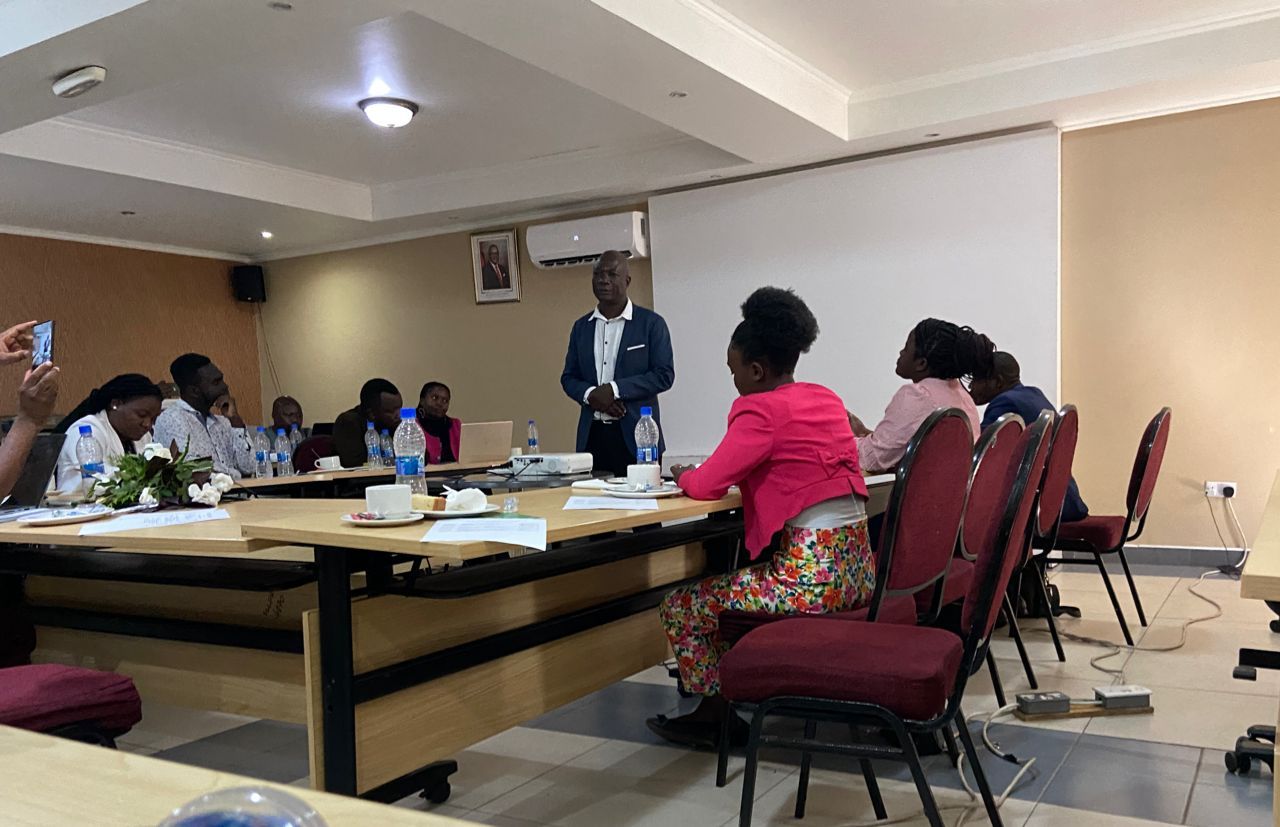
    The Ministry of Health has called for sensitization of legal frameworks on age of consent on the access to Sexual and Reproductive Health and Rights (SRHR) programs among service providers in the country.

    Speaking on the sidelines of the national engagement meeting in Lilongwe on Tuesday, deputy director responsible for adolescents and youth SRHR program Alex Katengeza said although they are hoping to provide the services because we have our policies, our strategies that we have developed, some issues need clarification.

    The meeting which was held by Ministry of Health through the Reproductive Health Directorate in collaboration with Youth Advocates, Zimbabwe, aimed at discussing the updates of legal frameworks that support age of consent to access SRHR services at all levels as part of improving and strengthening the delivery of SRHR interventions targeting adolescents and young people.

    “For us in the Ministry of Health, our service providers are supposed to be knowledgeable enough with the laws that are supposed to be applied when they’re providing the services, especially with sexual and reproductive services.

    “We’re now talking about the age of consent, which is very critical, so people should understand what is it that we can consider in this situation.

    “It’s a very hot issue. It’s very crucial but we need to find a long-lasting solution to it.  if you look at the indicators that we have, we have high rates of teenage pregnancies, these rates are coming in because young people are having unprotected sex at that tender age, and if we are to say we should intervene, our interventions should be very clear.

    “They need to have the information, they need to have the service like for example, contraceptives, they need to know. The good part is that our colleagues in the Ministry of Education have the curriculum, comprehensive sexual education and life skills education. In the curriculum, they have information about their contraceptives, how can they prevent unintended pregnancies and all that. So to us, we’ll just start from there. The knowledge that they have in school, we increased that knowledge and at the end we will discuss with them to have an informed choice before they get the service. To us, we feel that’s the way to go,” he said

    He said the main challenge being faced is a lack of understanding and knowledge about the existing laws among service providers in the country.

    The meeting which was funded by HIVOS, brought together Members of Parliament (MPS), members from the High Court, civil society and other ministries.

    According to Hivos, age of consent requirements in Malawi create barriers for adolescent and youth access to SRH services.

    Addressing age of consent barriers will enable access to high quality, affordable SRH information and services thereby enabling adolescents and youth to make informed choices and ensure positive health seeking behaviors.


  • Chipatala cha Ntchisi chimemeza thandizo 

    Chipatala cha Ntchisi chimemeza thandizo 

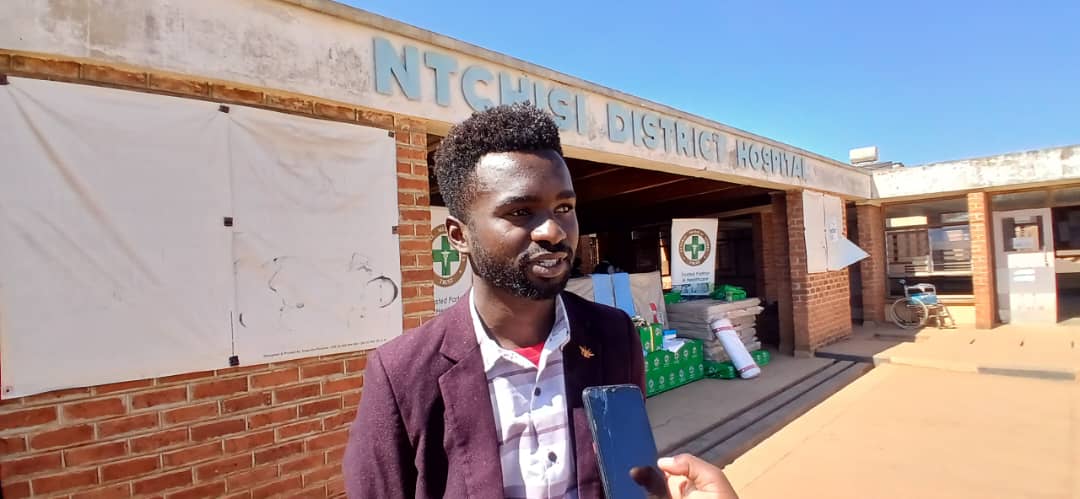
    Chipatala chachikulu cha Ntchisi chapempha kampani zomwe sizaboma kuti zithandize kuthetsa mavuto omwe chikukumana nawo.

    Mkulu wa ntchito zoyan’gangira madotolo m’boma la Ntchisi, Dr Yakobe Machira, ndiye wamemeza kampanizi Lachisanu pachitalachi polandira katundu wapafupifupi K13 miliyoni kuchochera ku bungwe la Central Medical Stores Trust (CMST).

    Machira wati kaamba koti chipatala cha Ntchisi chili ndi udindo waukulu woyang’anira odwala, yomwe ndi ntchito yolira ndalama zambiri, thandizo loyendetsera chipatalachi lochoka ku Boma pena silikwanira kufikira zofuna zonse.

    Apa Machira anati kampani zomwe zili zomasuka zithandize ndi mayendedwe odalirika, kukonza zipinda za ogwira ntchito komanso zosungiramo odwala, ngakhalenso kugula mankhwala ndi zipangizo zothandizira odwala.

    Mwa zomwe kampani ya CMST yapereka pali zofunda, matilesi komanso zipangizo zothandizira ntchito za uchembere wabwino.

    M’busa Gamaliel Kalebe yemwe ndi m’modzi mwa akuluakulu a komiti yoonetsetsa kuti ntchito za kampani ya CMST zikuyenda m’chimake anati komitiyi idayendera chipatalachi mwezi wa Meyi, pomwenso idazindikira kuti pali zingapo zomwe CMST ingachite mwachangu pothandiza chipatalachi.

    Iye adati ndizoona kuti thandizo lochokera ku boma limagwira kale ntchito yayikulu yomwe kuti iyende bwino imasowekeranso thandizo kuchoka kwa onse omasuka kuthandizapo.

    Kalebe adati pempho lachipatalachi komanso thandizo la CMST zili monga mwa chiphunzitso cha Malembo Oyera pa Mateyu 25 omwe amati omwe athandiza ena achita izi mokomera chiphunzitso chaMulungu.

  • Parliamentary Committee on Health advocates for Direct funding in health facilities

    Parliamentary Committee on Health advocates for Direct funding in health facilities

    Parliamentary Committee on Health Vice Chairperson Eurita Valeta says Direct Facility Funding (DFF) is critical in addressing some challenges faced by health facilities in the country.

    Valeta, who is Parliamentarian for Nsanje South West, made the remarks when the committee members visited Jalawe Health Centre and Rumphi District Hospital to appreciate facilities where DFF is being piloted.

    The DFF pilot programme in Rumphi is part of the Health Sector Strategic Plan funded by UNICEF through CHAI.

    “We are impressed with how Jalawe Health Centre is implementing the DFF. With grants they received from UNICEF, they have managed to construct toilets, bathrooms and some maintenance works at the facility,” she said.

    Valeta further said the Parliamentary Health Committee will advocate to government through the Ministy of Health and Parliament to ensure that all health facilities implement DFF to enable them procure various items at their facilities according to their needs.

    “Direct funding will reduce delays in procuring resources at the health facilities,” she said.

    Jalawe Health Centre Clinical Officer-in-charge Kennedy Nyirenda said DFF has encouraged ownership of resources to help in running the facility.

    Head of Programmes for AMREF-Health Africa in Malawi Madalitso Tolani said since implementation of DFF in health facilities in Rumphi District there has been improvements in health service delivery.

    “As AMREF Health Africa, we are supporting the Ministry of Health to develop guidelines on how to implement DFF because this is one of the key interventions that have been highlighted in the Health Sector Strategic Plan (HSS3) to be done across the country.

    “They [Ministry of Health] have identified districts in the first Phase, starting with Rumphi district,” he said.

    Tolani said they engaged Parliamentary Committee on Health to visit the facilities to help mobilise resources in Parliament through the Ministry of Health to help implement the programme nationwide.

    “Due to inadequate funding from district councils ORT Budget some facilities fail to do even maintenance works of the facilities. DFF will address some of the challenges as the health facilities will have autonomy to make decisions on how to use their funds,” he explained.

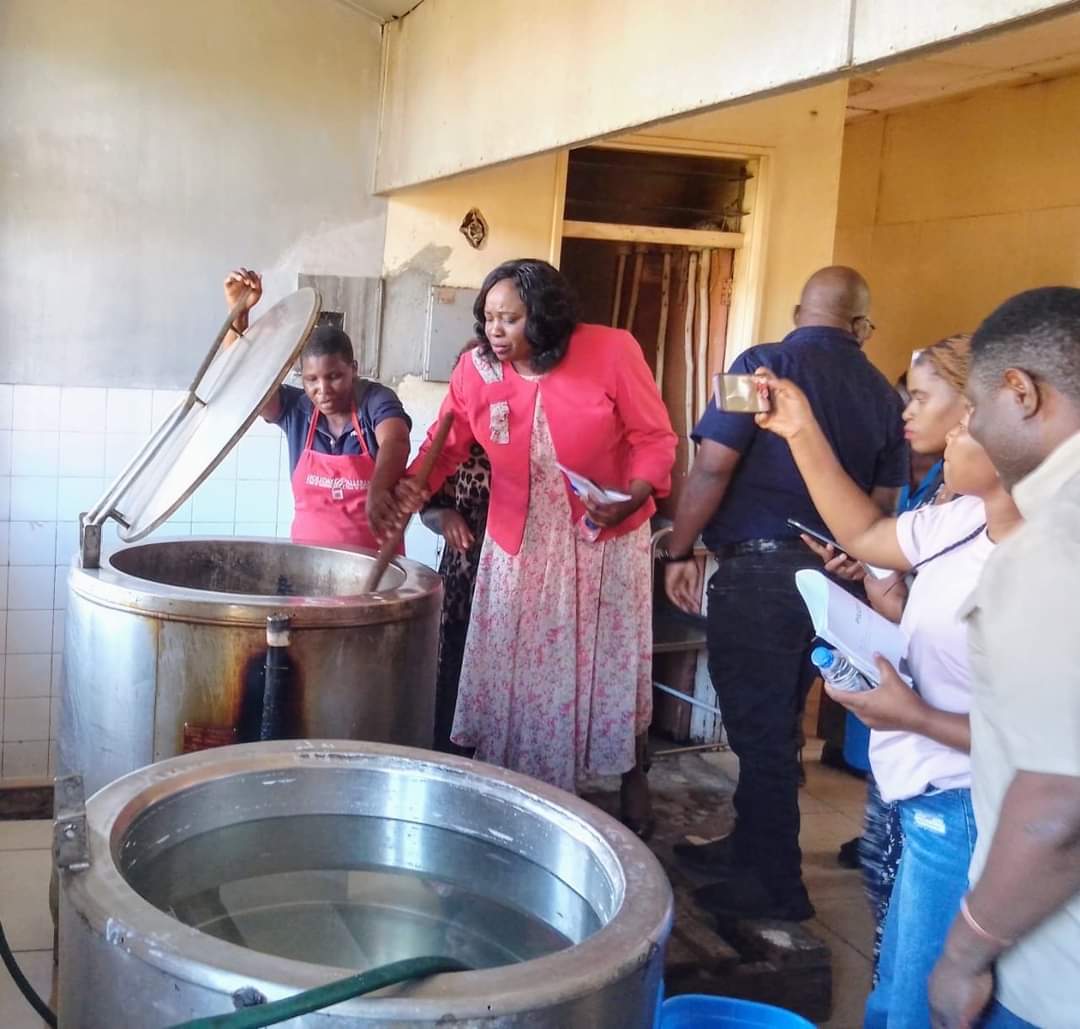
    The Parliamentary Committee on Health also visited Mzimba and Dowa Hospitals to appreciate nutritional services provision to patients.

    Reported By Sarah Munthali

  • JournAIDS laments delayed Dapivirine Ring approval

    JournAIDS laments delayed Dapivirine Ring approval

    The Journalists Association Against AIDS (JournAIDS) has expressed concerns about the delayed approval for the introduction of the new HIV prevention tool, the Dapivirine ring, in the local market.

    Dingani Mithi, JournAIDS Programs Manager, raised the concerns on Friday during the Media Science Cafe held at the Kamuzu Central Hospital’s UNC Tidziwe Medical Research Center in Lilongwe.

    Mithi pointed out that research shows young women in Sub-Saharan Africa have been severely affected by HIV, something preventable through the use of the vaginal ring.

    “After the results of the Dapivirine Ring came out, the European Medicines Agency and WHO approved its safety for use, but it has not been rolled out due to issues related to cost-benefit analysis, which the Ministry of Health demanded instead of the government,” said Mithi.

    Tchangani Tembo, the Clinical Research Investigator, confirmed that the research on the safety and efficiency of the Dapivirine Ring was completed and approved for use in women aged 18 to 45.

    He also emphasized the autonomy that women have with the use of the vaginal ring as a preventive method against HIV infection, stating, “One advantage that women have with the vaginal ring is autonomy. They can make the decision to protect themselves against HIV infection without the need to negotiate with their partner.”

    The Dapivirine vaginal ring is a silicone ring designed to provide women with a discreet and long-acting option for HIV prevention, as it contains the antiretroviral drug Dapivirine, released slowly to reduce the risk of HIV infection.

    Despite the World Health Organization’s approval of the ring’s usage earlier in 2021, Malawi is yet to introduce it to the market, while other countries like South Africa and Zimbabwe have already done so.

  • Chiradzulu hospital’s lack of X-ray machine hinders TB fight

    Chiradzulu hospital’s lack of X-ray machine hinders TB fight

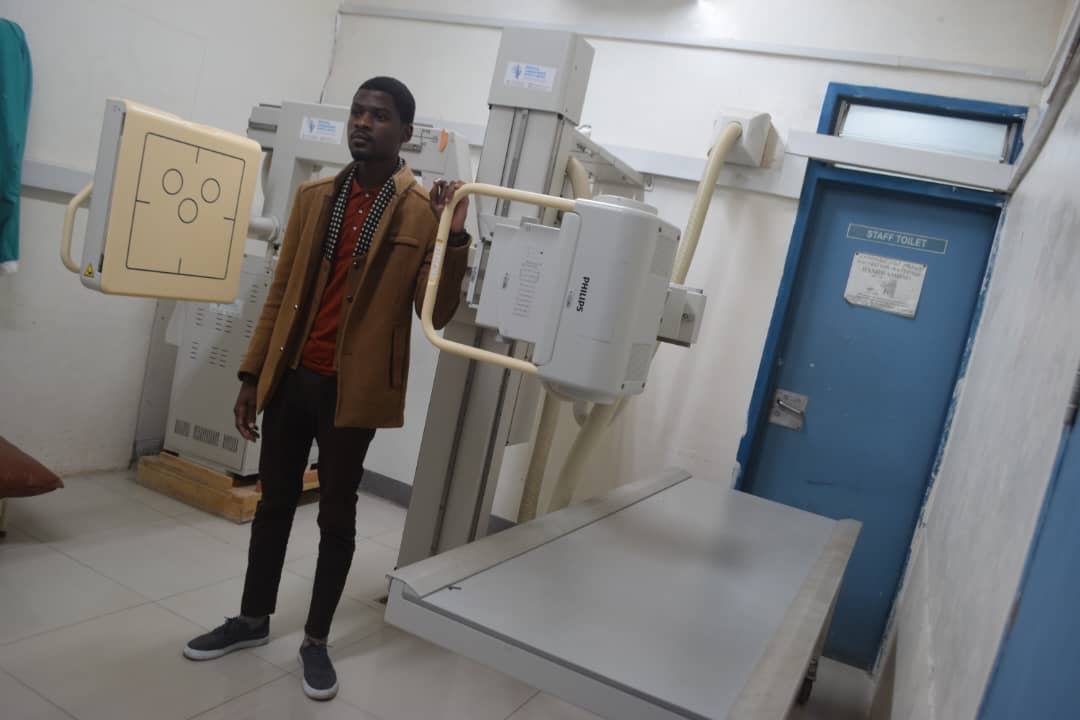
    Chiradzulu District Hospital is operating without an X-ray machine, a development which is affecting the screening of presumptive tuberculosis (TB) patients.

    According to the World Health Organization (WHO), chest radiography, or chest X-ray (CXR), is an important tool for triaging and screening for pulmonary TB, and it is also useful to aid diagnosis when pulmonary TB cannot be confirmed bacteriologically.

    A visit at the hospital on Tuesday, found clients who were to be x-rayed being returned home, and some being advised to seek the services elsewhere.

    23 year-old Charles John from Mbalame Village in the area of Traditional Authority Mpama, scheduled for TB x-ray, was among those who were unable to access the service on the day.

    He said that the closest hospital offering the service is St Joseph-Nguludi Mission Hospital in the same district.

    “As it is a private hospital, they charge approximately K10,000 for the service, which is beyond my means,” said John, who survives on piece works.

    Additionally, he would need to cover transportation costs. He expressed that he had no option but to wait until the hospital finds a resolution.

    When we visited the X-ray department, we found Yamikani Mapapa, a Radiographer at Chiradzulu District Hospital attending to clients.

    He told us that the machine has been on and off for almost a year now.

    “We have had technicians who had worked on the machine, but the problem has been persistent. The problem has been overheating,” he said adding that the technicians are sent from the Ministry of Health, as the hospital does not have one.

    As a precaution, Mapapa said they are now referring patients to Queen Elizabeth Central Hospital in Blantyre.

    “So as a hospital, we offer free transport for those seeking x-ray services to Queen Elizabeth Hospital. On Friday, we are sending some patients this Friday,” he said

    Mapapa said when the machine is functional, they scan over 30 patients per day.

    Chiradzulu district TB officer Patrick Chikuni said the problem has affected efforts to have more people tested.

    “Since the machine started malfunction, we have seen a tremendous drop in people getting screened for TB. A lot of them cannot manage to pay at the private facilities,” he said

    In an interview, Ministry of Health spokesperson Adrian Chikumbe acknowledged the problem. He said that apart from Charadzulu, Machinga and Mwaza district hospitals are also running without an x-ray machine

    “Indeed, the x-ray machine at the hospital is not functioning, however, we have already identified a service provider for that.

    “On top of that, we are fixing some other mobile machines with a lower volume of patient traffic. But the advantage is they can be taken anywhere because they are mobile. We are going to fix these machines in the shortest period, maybe just in a few weeks,” he said adding that this is a temporally solution as they wait for the spare parts to maintain the old ones.




  • Court suspends health workers strike

    Court suspends health workers strike

    The Industrial Relations Court (IRC) sitting in Lilongwe has granted the Attorney Genera (AG) an injunction stoping the ongoing strike by health workers in the country.

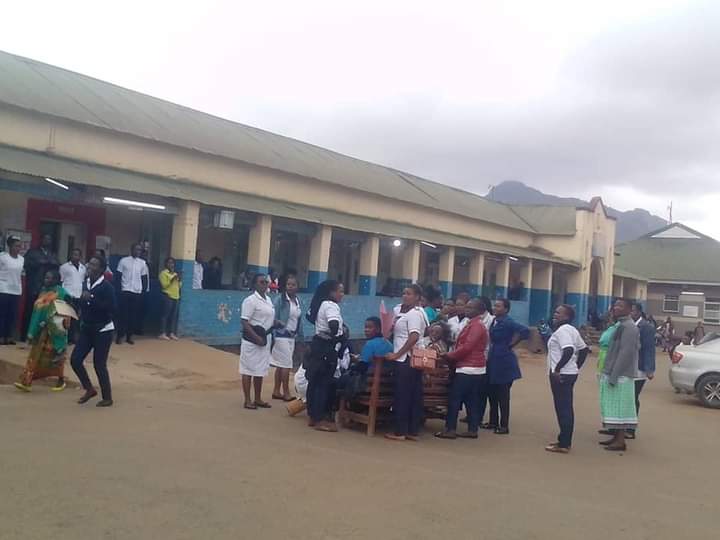
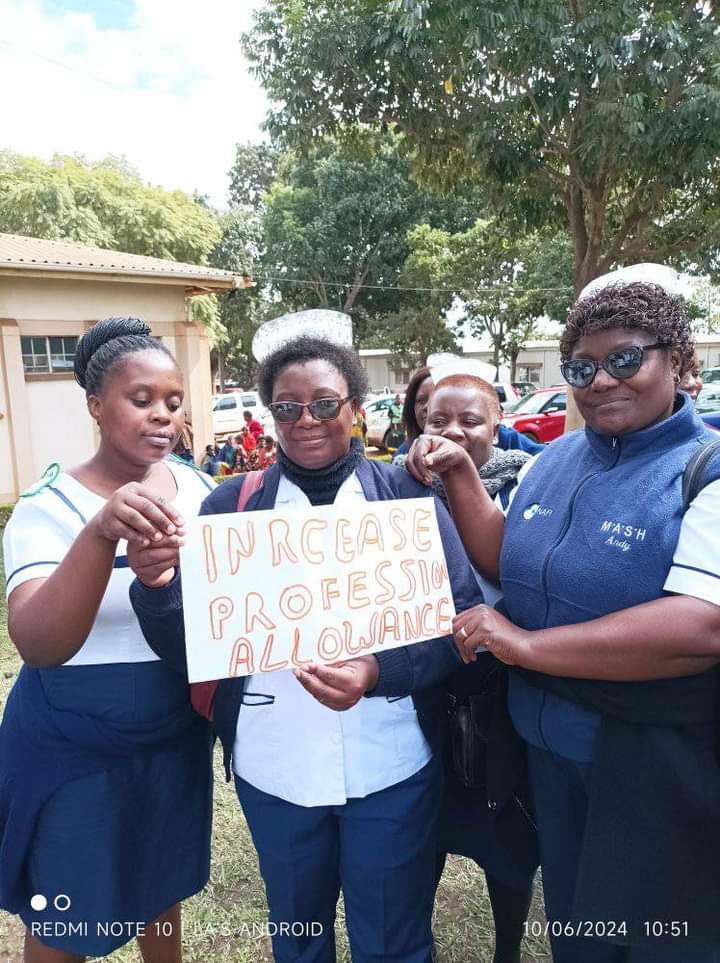
    The strike was organized by nurses and clinician professional associations, the National Organization of Nurses and Midwives of Malawi (NONM) and Physician Assistant of Malawi (PAUM) to force Government into the consideration of an increment of healthy sector specific allowances.

    Following the injunction, NONM and PAUM through their presidents Shouts Galang’anda Simeza and Solomon David Chomba respectively, have jointly issued a statement halting the sit-in.

    “We are writing to inform you that an injunction has been served to NONM and PAUM regarding the ongoing sit-in. Consequently, we have decided to suspend the sit-in. and we advise all members of both organisations to resume their normal duties immediately.

    “Meanwhile, our legal team has been assigned to attend to this matter, and we will keep you informed of any developments on the issue.

    “We sincerely thank you for your understanding and cooperation. Most importantly, we appreciate the overwhelmingly strong message conveyed during today’s sit-in,” reads part of the statement


  • Social commentator bemoans public sector reforms amid health workers strike

    Social commentator bemoans public sector reforms amid health workers strike

    Public Health workers countrywide have this morning commenced a sit-in to force Government into the consideration of an increment of healthy sector specific allowances.

    This follows Government’s failure to reach an agreement with the Nurses and Clinician Professional Associations, the National Organization of Nurses and Midwives of Malawi (NONM) and Physician Assistant of Malawi (PAUM) on the matter back in May.

    “We wish to notify you that the scheduled sit-in will proceed as planned from tomorrow at 7:30 AM. As stated in our previous communications, this sit-in will only be called off once the government addresses our demands satisfactorily” reads the statement by NONM and PAUM, addressing all its members.

    But in reaction, social commentator Francis Liyati believes these issues could have been avoided if the Public Sector reforms were implemented.

    ” If the Public Sector Reform report was out and implemented it could have resolved all these issues of promotions, entre-grade, harmonizations of salaries, allowances but unfortunately it faded before its implementation” said Liyati

    However, Liyati has asked Government to address the issue as quick as possible since the majority of Malawians cannot afford private hospitals.


  • UNFPA appreciates Bwaila Fistula Centre’s fight against Fistula

    UNFPA appreciates Bwaila Fistula Centre’s fight against Fistula

    The United Nations Population Fund (UNFPA) has appreciated the efforts by Bwaila Fistula Centre in the fight against Fistula in the the country.

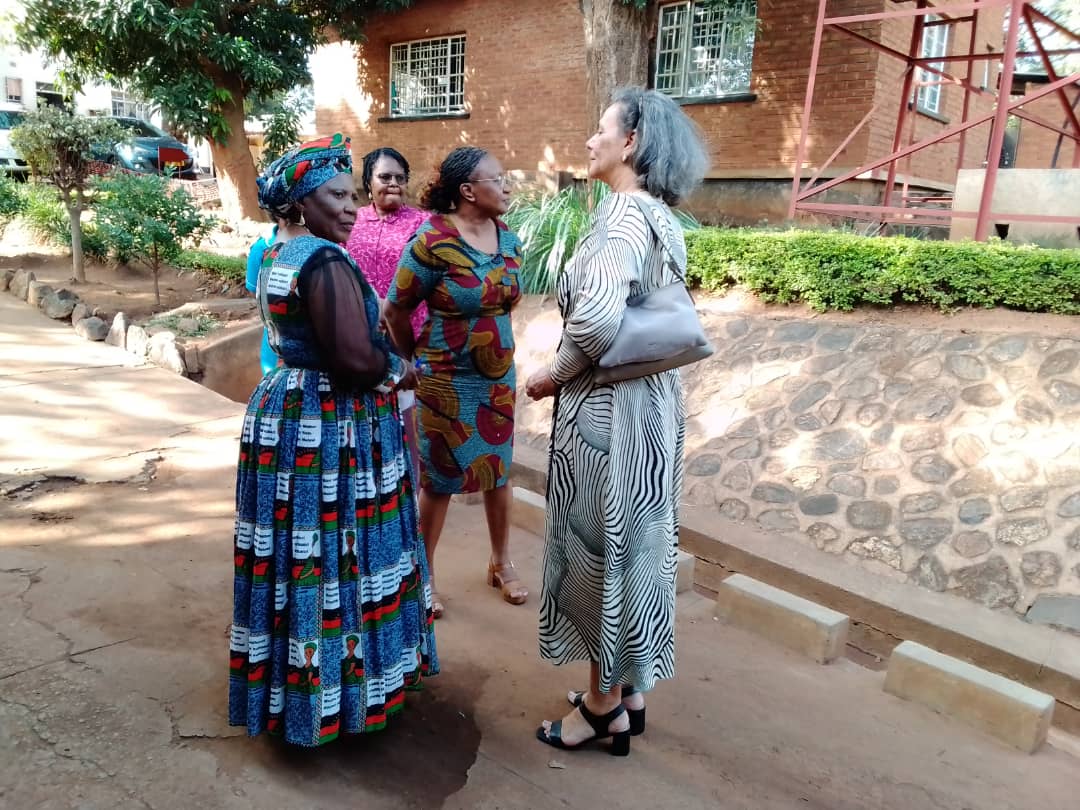
    UNFPA’s Regional Director, Lydia Zigomo made the appreciative remarks on Wednesday when she paid a visit at the Fistula Care Centre.

    According to Zigomo, through the tour, there were productive discussions on how to address the issues of Fistula in the country.

    “We have talked to some of the survivors of Fistula as well as those waiting to have their surgeries and also discussing how we can address the issue of Fistula in Malawi because we do believe it’s an area that can be resolved and we can prevent young girls and young women suffering from fistula,” Zigomo said
    However, she made an assurance that UNFPA will continue supporting Fistula programs in the country.

    The event was also attended by officials from the Ministry of Health and authorities from Bwaila Fistula Care Centre.

    The Director for the Sexual Reproductive Services in the Ministry of Health, Doreen Ali described the UNFPA’s visit as vital as the UNFPA as one of the funders have seen the progress that has been made in implemention of Fistula programs.

    Bwaila Fistula Centre National Coordinator Margret Moyo expressed grateful for UNFPA visit to the centre.

    Moyo revealed that the Centre is currently treating 43 patients but the number is expected to raise to 48 by the end of the week.

    Meanwhile, Moyo pointed out stigma as one of the challenges, women with Fistula are currently facing in the communities.

    “Because they are leaking urine, stool and no one recognize them in the communities and are not engaged in any other activity,” said Moyo

    The Fistula Care Centre was firstly launched in Malawi In 2010 before stand-alone Fistula Care Centre (FCC) was launched in 2012, in the grounds of Bwaila Hospital in Lilongwe.

    The 35 bed unit has its dedicated operating theatre and the capacity to treat more than 400 women every year, many of whom are found through Ambassadors and community sensitization programs that ensure women and girls from across Malawi have access to Bwaila’s permanent service.