Category: Health

  • Neglected lesbian finds solace on the streets

    Neglected lesbian finds solace on the streets

    Abandoned by family, HIV diagnosis leaves her homeless, but she finds unexpected community.

    Meet Kambiri (not her real name) a 23-year-old lesbian who grew up in a loving family in Lilongwe.

    When she was diagnosed with HIV in 2023 and revealed her sexual orientation to them, everything changed. Her parents abandoned her, leaving her homeless and forced to find solace on the streets.

    “My family said I was cursed, that I deserved my HIV diagnosis for being lesbian,” Kambiri recalls, her voice shaking. “They kicked me out, leaving me with nothing.”

    With no home, no family, and no support, Kambiri was forced to live on the streets and started having suicidal thoughts. She scavenged for food and shelter and struggle to access antiretroviral therapy (ART)because thehealthcare facilities she visited were not inclusive or sensitive to her needs, a reality that often prevents gender and sexual minorities from receivingcare.

    Finding community

    One night, while seeking shelter in an abandoned building on the outskirts of Lilongwe, Kambiri met a community of LGBTQ+ youth, many of whom were also HIV-positive and rejected by their families.

    “They accepted me for who I am, HIV and all,” Kambiri said. “For the first time, I felt like I belonged.”

    Kambiri’s new family consisted of a 19-year-old trans man who protected her, a 22-year-old lesbian who offered wisdom, and a 25-year-old gay man who became her confidant.

    Together, they scavenged for food, shared stories, and supported each other through the struggles of living with HIV.

    Resilience

    Despite ongoing hardships, Kambiri found strength in her new family. “I realized I wasn’t alone. There were others like me, fighting for survival and dignity,” she said.

    After defaulting on her antiretrovirals for three months, Kambiriresumed treatment and began to rebuild her life. “I want people to know that being a lesbian and living with HIV is not a curse. It’s a part of who I am, and I am proud of who I’ve become,” she said.

    Kambiri’s story is a testament to resilience and the power of community. Abandoned by her family, she created a new one that accepts her for who she is.

    Mtendere (not his real name), a 20-year-old gay man living with HIVin Lilongwe, shared a similar story. Mtendere grew up in a conservative family in Central Malawi. He came out to them as gay at 18, hoping for acceptance. Instead, they rejected him, citing cultural and religious reasons.

    “Many religions have scriptures that are interpreted as condemning LGBTQ+ identities. My parents’ homophobic attitude towards me was even worse,” he said.

    After being disowned by family and friends who didn’t accept his sexuality, Mtendere faced emotional trauma, feelings of guilt, shame, and low self-esteem, financial struggles, and homelessness.

    “It was a terrible situation. I had nowhere to stay. Everyone abandoned me,” he recalls.“I had to explore survival strategies. I had to build new relationships with accepting friends, connected with some LGBTQ+ networks for emotional support, and prioritized self-care, seeking counseling and therapy.”

    Mtendere now lives in a shared apartment with accepting roommates and has rebuilt his self-esteem and confidence. He still hopes for reconciliation with his family.

    “Self-love and acceptance are crucial, and community support is vital. I believe one day I will reconcile with them,” he said.

    But what do Kambiri’s and Mtendere’s families say? Are they concerned?

    “We didn’t raise her to be this way,” Kambiri’s father said. “It is against our culture and religion. She has chosen a lifestyle that is not acceptable. We can’t support it. We love her, but we can’t accept her choices.”

    Mtendere’s father shared similar reservations.“It is his choice not ours, but we cannot accept a gay person in our family,” he said.

    Group Village Headman Mtande of Mchezi in Lilongwe is a member of the local chief’s forum of traditional leaders who address issues of local concern. He said there is local need for awareness campaigns on sexual orientation issues.

    “It is very unfortunate that some of our children are being disowned because of their sexual orientation,” Mtande said. “It’s high time organizations realize the need of raising awareness. Our community should learn to accept and support LGBTQ+ individuals.”

    Human rights activist and executive director of the Center for Human Rights and Rehabilitation (CHRR) Michael Kayiyatsa is working to bring about this change.

    “As activists, we will continue to push for acceptance, inclusivity and protection of LGBTQ+ rights, despite rejection and adversity. We shall not relent in promoting and protecting human rights, particularly for marginalized groups, including LGBTQ+ individuals,” Kayiyatsa said.

    Alex Kaomba, the programs manager for Community Health Rights Advocacy (CHeRA), said “We believe in the universality of human rights, regardless of sexual orientation or gender identity. What is happening to Kambiri and Mtendere is very unfortunate, and we cannot tolerate that. We are not asking for special treatment, just equality.”

    CHRR’s 2019 study titled “Perceptions and Attitudes towards LGBTQI Persons in Malawi”,21% of LGBTQI respondents reported experiencing rejection from their families, 47% reported experiencing verbal abuse, 35% reported experiencing physical violence while 27% reported experiencing sexual violence.

    The Center for the Development of People (CEDEP) provides shelter, counseling and HIV services to Malawi’sLGBTQI community while the Malawi Network for Religious Leaders Living with or Personally Affected by HIV/AIDS (MANERELA+) offers spiritual support and advocacy.


  • Chakwera calls for vigilance in fighting diseases

    Chakwera calls for vigilance in fighting diseases

    Reported By Rosalia Kapiri

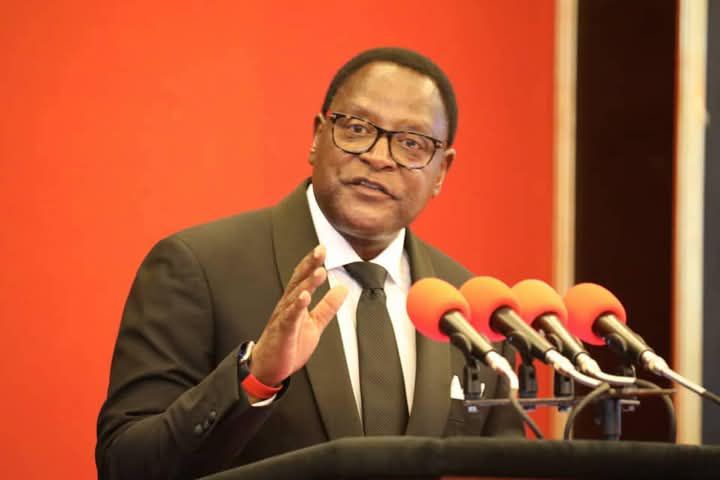
    President Lazarus Chakwera has emphasised the importance of continued vigilance and commitment in the fight against three major diseases that threaten public health in Malawi and across Africa: malaria, tuberculosis (TB), and HIV and AIDS.

    Speaking on Tuesday evening at the Presidential Global Fund Dinner held at Kamuzu Palace in Lilongwe, the President highlighted the progress made in combating these diseases but stressed that further efforts are required to achieve their full eradication.

    “While significant strides have been made, the battle against these diseases is far from over. We must remain vigilant, committed, and focused on a future free from the burden of malaria, TB, and HIV and AIDS,” he said.

    “We are grateful to the Global Fund for its continued support. This partnership has been instrumental in turning the tide against these diseases,” Chakwera added, welcoming the Global Fund Board to the country and recognising their crucial investments in healthcare.

    The President noted that Malaria, TB, and HIV and AIDS continue to pose significant health challenges in Africa, with these diseases collectively accounting for millions of cases and deaths each year.

    According to President Chakwera, malaria alone affects over 200 million people in Africa annually, accounting for more than 90 percent of the world’s total cases, with high mortality rates, particularly among children and pregnant women.

    Chakwera underscored the necessity of global unity and perseverance in tackling these diseases, saying, “These challenges require a grand strategy, one that is built on collaboration, unity, and determination.”

    President Chakwera expressed appreciation for the partnership between Malawi and the Global Fund, which he credited with playing a pivotal role in the country’s fight against these health threats.

    In her remarks, Global Fund Chairperson, Roslyn Morauta praised Malawi’s leadership in addressing the three major diseases noting that the Global Fund’s partnership with Malawi spans over two decades and has led to positive changes in the country’s healthcare landscape.

    “Malawi’s commitment to combating HIV, tuberculosis, and malaria is a beacon of hope for the region.

    “The partnership between Malawi and the Global Fund has been critical in achieving the progress we’ve seen, and we look forward to continuing our collaborative work,” Morauta said.

    Minister of Health, Khumbize Kandodo Chiponda, also addressed the gathering, expressing her gratitude for the continued support from international partners.

    She highlighted the role of the First Lady, Monica Chakwera, in advancing the national health agenda and supporting efforts to reduce the impact of these diseases.

    The dinner, which brought together key stakeholders in the fight against these diseases, marked the 52nd Global Fund Board Meeting which is being held in Malawi.

    As the Global Fund Board Meeting continues in the country, the focus remains on reaffirming commitments to global health goals and tackling the challenges that remain.


  • The Cost of Innovation: Intellectual Property and Access to Medicines

    The Cost of Innovation: Intellectual Property and Access to Medicines

    Reported By Madalitso Wills Kateta and Catherine Tembo

    At Muloza health center, in Mulanje district, Ellen Banda goes out of the facility a disappointed person. She has been provided with malaria medication, but the facility does not have pain killers.

    The clinician has hence advised her to buy the pain killers at a local pharmacy.

    “It becomes disapoting to walk a long distance to a health facility and only be told that the facility does not have basic pain killers like aspirin or panadol, and it becomes very challenging when you do not have the money,” said Banda.

    This situation could have been avoidable if the country never depended on imported essential drugs at it’s health facilities, says Aniz Mitha Executive Director at Community Health Rights Advocacy (CHERA).

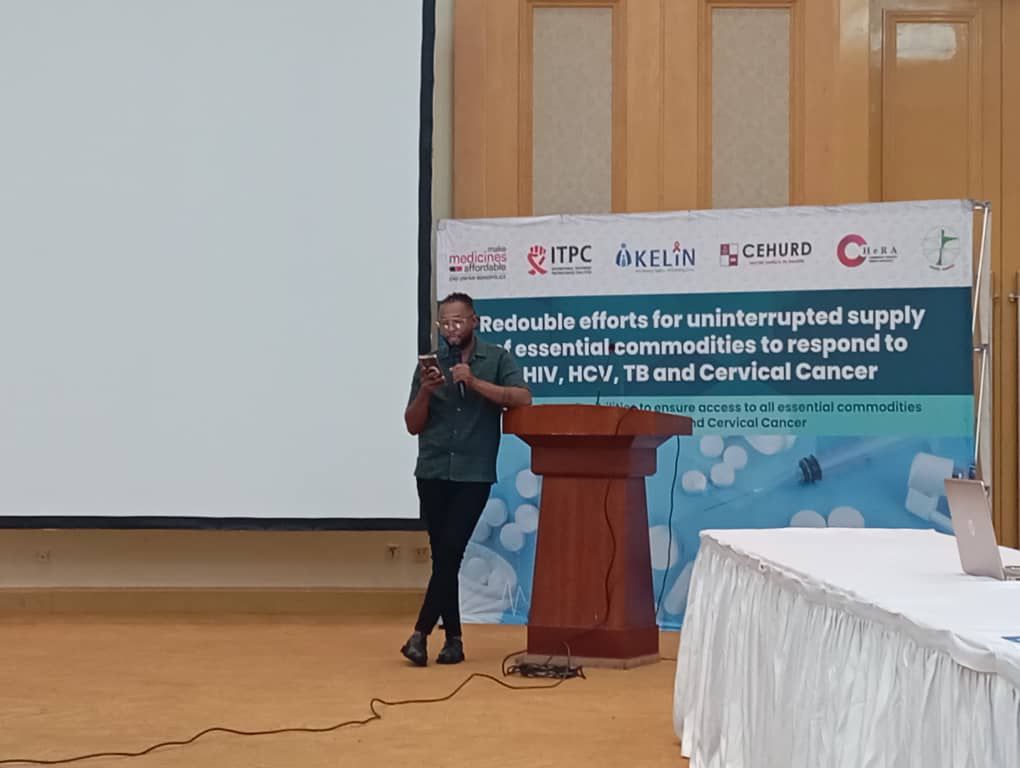
    CHERA and KELIN Kenya are in a solidarity project led by the International Treatment Preparedness Coalition (ITPC) which is advocating for the removal of intellectual property rights on medicines so that they become affordable and accessible. The project is being implemented in Malawi, Senegal, Tunisia and Uganda.

    In Malawi the project follows a market intelligence study which identified intellectual property barriers Malawi’s health sector is facing to make essential medicines affordable.

    “The main goal of the project is to make medicines affordable and available, as we understand that intellectual property rights make medicines expensive, especially in low-income countries like Malawi,” said Mitha.

    He said softening of intellectual property rights on medicines would not only improve access to quality health care but steadily reduce the cost of essential medicines.

    In recent years, the intersection of intellectual property (IP) rights and public health has emerged as a critical area of concern, particularly for low and middle-income countries (LMICs) like Malawi. While agreements such as the Agreement on Trade-Related Aspects of Intellectual Property Rights (TRIPS) aim to foster innovation through patent protection, they simultaneously create barriers to access for essential medicines.

    With approximately 2 billion people lacking access to necessary treatments, the consequences of stringent IP laws are dire for vulnerable populations. Gift Trapence, Chairperson for Civil Society Advocacy Forum (CISAF), says the market intelligence study findings are significant in that they would assist to address the drug procurement challenges low and middle income countries face.

    “It’s crucial to identify bottlenecks in accessing medicines, the preliminary findings of this study show the importance of data keeping highlighting data keeping as a major challenge in drug procurement,” he said.

    Malawi, illustrates the stark reality faced by many LMICs. The high costs of essential drugs, largely due to patent protections, hinder the fight against diseases like tuberculosis and malaria, which affects a significant portion of the population. According to the World Health Organization (WHO), the annual treatment cost for diseases like tuberculosis and malaroa can be expensive, making it nearly impossible for vulnerable families to access medications for these diseases.

    While IP rights are designed to incentivize pharmaceutical innovation by allowing companies to recoup their research and development costs, this protection however leads to monopolistic practices that keep drug prices high. In Malawi, the resulting healthcare inequity is evident. Many patients resort to substandard or counterfeit drugs due to their inability to afford legitimate treatments.

    A detailed look at communicable diseases in Malawi reveals a painful reality. Many patients struggle to access essential medicines. Interviews with healthcare workers indicate that while patients may initially secure medication, ongoing costs often lead to interruptions in treatment, exacerbating health issues.

    TB remains a critical public health challenge. Patients often face delays in receiving adequate treatment, partly due to patent restrictions on certain medications. A local health clinic reported that patients frequently default on their treatment due to the inability to afford the necessary drugs, highlighting the urgent need for reform in IP laws.

    To address these challenges, experts argue for a reevaluation of patent laws in the context of public health. By easing patent restrictions on essential medicines, governments could significantly reduce procurement costs, making treatments more accessible. Initiatives such as compulsory licensing allow countries to produce generic versions of patented drugs, which can lead to a drastic reduction in prices.

    Countries like India have successfully implemented these measures, leading to increased availability of life-saving medications. By following suit, Malawi could enhance its healthcare system and improve outcomes for its most vulnerable populations.

    The Malawian government, alongside international organizations, is beginning to recognize the need for a balanced approach to IP and public health. Efforts to engage in dialogues about TRIPS flexibilities—such as allowing for generics—are crucial. The collaboration between government bodies and NGOs has shown promise, yet much work remains to be done to reform existing policies.

    Dr. Rapson Kachala from the Ministry of Health noted the government’s efforts in capacity building for pharmacy personnel.

    “We need to be accountable in procurement and records keeping to impress donors.” Said Kachala.

    The implications of intellectual property provisions on access to affordable medicines are profound, particularly in low and middle-income countries like Malawi. As the nation grapples with the burden of diseases like HIV, AIDS and TB, addressing the barriers posed by IP rights is essential for fostering health equity. By advocating for reforms that prioritize public health over patent protections, Malawi can take significant strides towards ensuring that all its citizens have access to the medications they desperately need.

  • New innovations saving children from TB 

    New innovations saving children from TB 

    Not her real name, Evelyn had a rude awakening when she received the news that her 4-year old son had been diagnosed with tuberculosis. Like many others, she had assumed that children were immune to such a disease.

    Evelyn was devastated and struggled with how to break the news to her husband, who had always sought help from traditional doctors for various ailments.

    Reflecting on what prompted her to take her son to the hospital, Evelyn shared, ” I was scared when I noticed my son’s persistent cough, especially at night. Despite trying antibiotics at home, his condition didn’t improve, and he was becoming increasingly weak. That’s when I decided to take him to the hospital, where he was diagnosed with TB.”

    Diagnosing TB in children can be particularly challenging due to the non-specific symptoms it presents and the lack of sensitive and child-friendly diagnostic tests. It’s possible for a child to be infected with TB bacteria without showing active disease.

    Evelyn’s husband, however, was initially resistant to the idea of seeking medical care at a hospital.

    He advised her to visit a traditional doctor instead, as he too was sceptical about the possibility of a child suffering from TB.

    Evelyn’s experience highlights the misconceptions and lack of awareness that exist around TB in children and the importance of seeking proper medical care for an accurate diagnosis and treatment.

    “We both never thought that our son would suffer from TB. However, when I broke the news to my husband, he advised me not to go to the hospital but rather visit a traditional doctor,” Evelyn shared, recounting her husband’s reaction.

    Concerned about her husband’s intentions, Evelyn informed the doctor about the situation during her visit to the hospital. The doctor then invited both Evelyn her husband for counselling.

    When I went to the hospital, I explained everything to the doctor about my husband’s refusal to have our son receive medication. The doctor requested my husband’s contact information, which I provided. He was called, and we met the doctor the next day for counselling,” Evelyn lamented.

    After the counselling session, Evelyn and her husband gained a better understanding that TB is curable and can affect anyone, including children.

    ” I am a living testimony that TB in children is curable. I had doubts, but after the counselling, my husband and I made sure that our son adhered to the prescribed medication,” Evelyn said.

    Madalitso Chiundira, the district TB officer for Zomba Central Hospital said Zomba District is fairing well in terms of fighting pediatric TB.

    But what strides has Malawi made in the fight against pediatric TB?

    Dr Tisungane Mwenyenkulu, the research, care and treatment officer at the National TB and Leprosy Elimination program shared some advancements that have been made saying, “In the management of pediatric TB, there have been advancements such as the introduction of child-friendly formulations for DR TB and the reduction of the duration of treatment from 18 months to 9 months based on World Health Organisation recommended treatment regimens. Recently, the WHO recommended the use of the stool SOS Xpert Ultra technique for the diagnosis of pediatric pulmonary tuberculosis.”

    TB diagnosis in children has been a challenge not only in Malawi but in many other African countries.

    Meanwhile, on a national level, childhood TB notification has increased by 9%, but there is still a need to improve pediatric TB case findings. In 2021, the childhood target for TB diagnosis and treatment was 2,432 and 1,351 were achieved, representing 56%.

    In 2022, the target was set at 2,5551 cases, and 1,473 were achieved, representing 58%.

  • Malawi launches 2024 mosquito nets distribution campaign, targets over 19m people

    Malawi launches 2024 mosquito nets distribution campaign, targets over 19m people

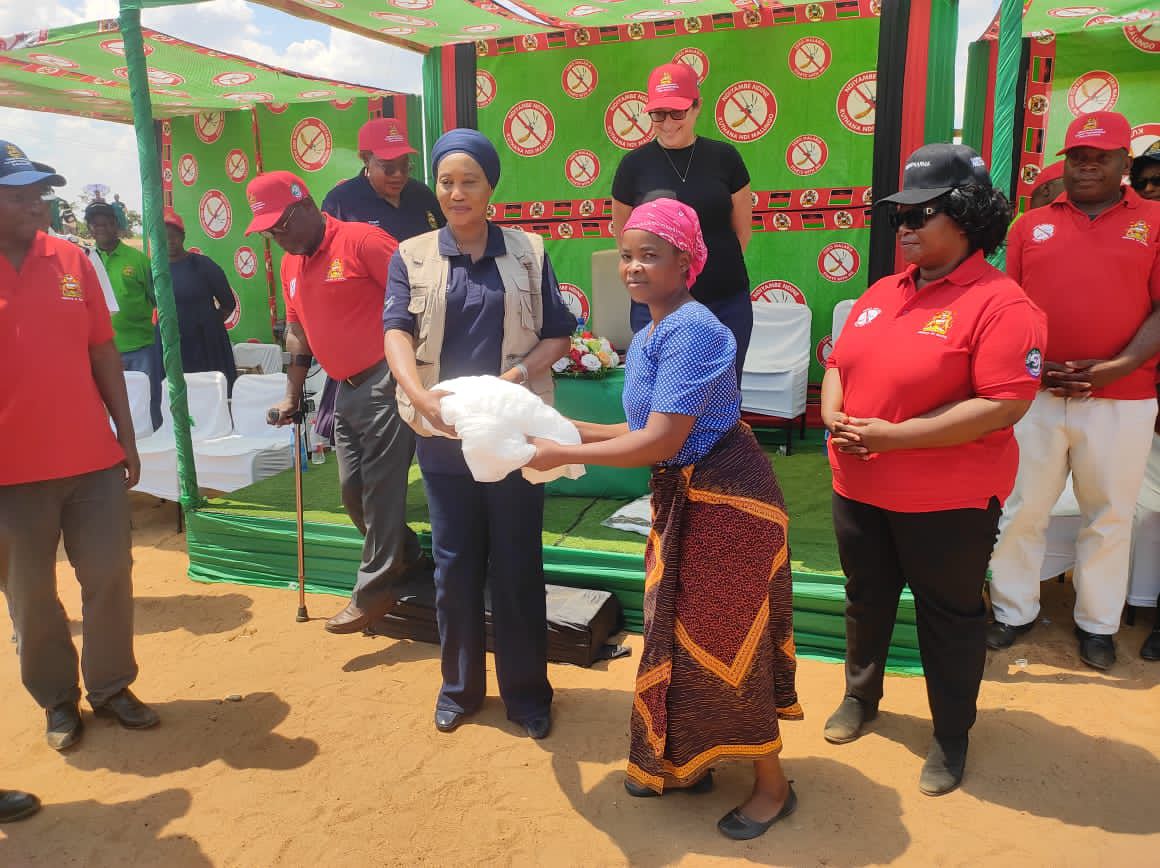
    Malawi on Monday launched the 2024 Insecticide Treated Nets Mass Distribution Campaign which is targeting to reach targeting to cover a total population of 19,606,756 people.

    The campaign is one of the activities planned as Malawi also launched the commemoration of the SADC Malaria Week with the theme. “Resilient health systems and communities key to malaria elimination and Timely access to malaria services, Everyone’s right”.

    Launched in Balaka district under the theme “1TNs Universal Cove rage for a Malaria-Free Malawi,” the distribution of the nets will also include boarding secondary schools in three selected districts of Mwanza, Nkhota kota and Nkhatabay.

    Speaking at the launch, deputy minister of health Halima Daudi said government has procured 1 1.7 million mosquito nets with support from Global Fund which will be distributed to all the 29 districts during the 2024 mass net distribution campaign.

    “To sustain a high cove rage of nets among the population in 2025 the Government of Malawi will also distribute nets in primary schools in four districts with a high burden of malaria which are Balaka, Mangochi, Nkhotakota and Nkhatabay.

    “Government through the Ministry of Health would like to re-affirm its commitment in the fight against mal aria. This commitment includes adopting al I interventions that have an impact on reducing the malaria disease burden, mobilization of more financial resources to help in the fight and political will.

    The US President’s Malaria Initiative (PMI) through USAID, has provided Malawi with 400 million dollars and approximately K700 billion for the prevention and control activities of malaria in the country since 2006.

    PMI Team Leader for Malawi, Jannel Rough said with the assistance from USAID, Global Fund and others, Malawi has reduced malaria prevalence rate by 70 percent since 2014 and malaria mortality has decreased by over 60 percent in the past 10 years.

    “These achievement are due to persistent efforts to strengthen effective malaria case management and promote preventative measures. One of the most important tools in our battle against this disease is an insecticide treated mosquito net. Health workers recommend every family member- especially pregnant women and children under five – sleep under a long-lasting, insecticide-treated net every night. That’s why we are here today to support the launch of this mass campaign.

    “Malawi’s National Malaria Control Program, with support from the US government through PMI Evolve, is distributing nets this year that are made with the very latest technology in order to help us prevail in our fight against malaria. When properly used and cared for, each net offers protection for up to three years,” she said

    National Response Officer for the World Health Organisation (WHO) in Malawi, Dr. Michael Kayange, says malaria remains a health problem, as nearly 200 million people are diagnosed with malaria every year globally.

    Malaria remains a huge public health problem in Malawi with everyone at risk. In 2023 as a country 6.4 million malaria cases were reported with a total 1,670 malaria deaths, according to the ministry of health.

    Malaria contributed 25 percent of all Out-Patient Department attendance, 10 percent of all admissions and 12 percent of the deaths among all cause s of deaths creating a huge workload to health workers and pressure on drugs at all health facilities.

    The Malawi Government and its partners developed a Malaria Strategic Plan 2023 – 2030 with a strategic goal to eliminate malaria by the year 2030 in line with the Global Malaria TechnicaI Strategy.

    Government also adopted the use of insecticide treated nets as one of the major malaria prevent ion interventions in 2005 and adopted a universal coverage policy in 2018.

    WHO recommends one net for two people in order for a country to reach universal mosquito net coverage.


  • Millennium University to host Youth Mental Festival

    Millennium University to host Youth Mental Festival

    Reported By Benedicto Maguda

    Millennium University has organized a Youth Mental Festival which will be held from November 9 to 10 at the Blantyre Youth Centre.

    The festival is essentially a vibrant gathering for young people, their friends and families to converge and celebrate life, community, connection and positive change through good mental health.

    Speaking with Malawi News Agency (Mana) on Monday, Dr. Sandra Jumbe a senior lecturer and lead researcher in mental health said on the day there shall be different activities that will spice up the day and make the day unforgettable.

    “We have a dynamic programme featuring activities like football and netball tournaments, music, dance and theatre. Alongside that we have inspirational talks, interactive workshops and panel discussions with mental health experts, our stakeholders and other local celebrities,” Jumbe who is also a health psychologist said.

    Jumbe added that the festival is part of a bigger research project that she is leading called ARISE, which focuses on improving mental health literacy among the youth using education settings.

    “The bigger goal is to work with ministries of education and health to roll this out across the country and create a national framework that embeds mental health into our education system. We also want to reach young people that are not in college or university so they can also learn about mental health,” she said.

    She added that this festival is very important to the youth because it gives a chance to educate the youth in masses about what mental health is, how to manage it and also for them to help others.

    “As a psychologist, I have always wanted to remove the taboo around mental illness and encourage people to open up when facing challenges. I see this festival as a great way to reduce stigma surrounding mental health,” she said.

    In a separate interview, Executive Director for Drug Fight Malawi, Nelson Zakeyu who will be the guest of honour during the event, said this is a very important event especially to the youth because it will help them receive advice from experts on how to desist from drug and substance abuse.

    “Drug and substance abuse is very dangerous among the youth as it leads to delinquency; therefore, I’m asking all the youth to take care of their health by doing physical exercises. I also urge all the youth to come in large numbers so that they can receive advice from the experts,” Zakeyu said.

    This is the second festival. The first one was held last year at the same venue during World Mental Health Month in October. On the day, there will be other celebrities such as Piksy, Patrick Mabedi, Mary Waya, Hazel Mak and Nicole Kamwendo, among others. This year’s theme is: healthy mind, healthy body.


  • Solidarity Project launched, to identify intellectual property barriers in health sector

    Solidarity Project launched, to identify intellectual property barriers in health sector

    Reported by Catherine Tembo:

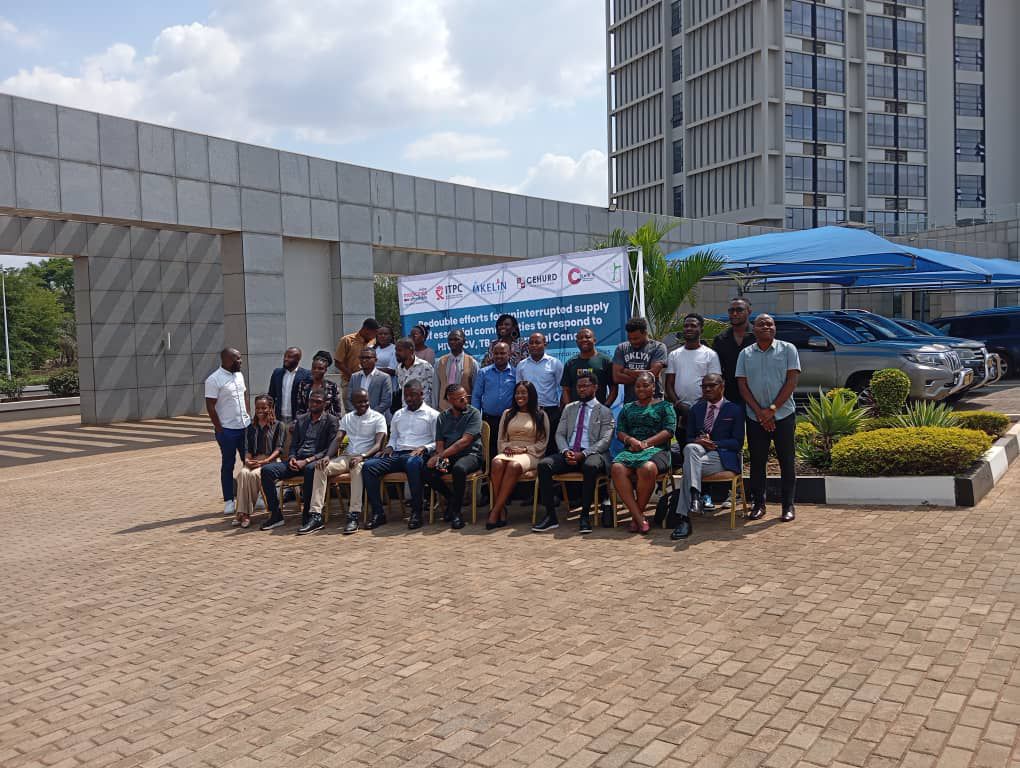
    Community Health Rights Advocacy (CHERA) and KELIN Kenya have launched the Solidarity Project, led by the International Treatment Preparedness Coalition (ITPC).

    The project aims to identify intellectual property barriers in Malawi’s health sector through a market intelligence study.

    CHERA Executive Director Aniz Mitha emphasized the need for advocacy to remove intellectual property rights on medicines, making them affordable and accessible.

    “The main reason for the project is to make medicines affordable and available, intellectual property makes medicines expensive, especially in low-income countries like Malawi.” Mitha said.

    Gift Trapence, Chairperson of Civil Society Advocacy Forum (CISAF), highlighted the study’s significance in addressing procurement challenges.

    “It’s crucial to identify bottlenecks in accessing medicines, preliminary findings show data keeping is a major challenge.” He said.

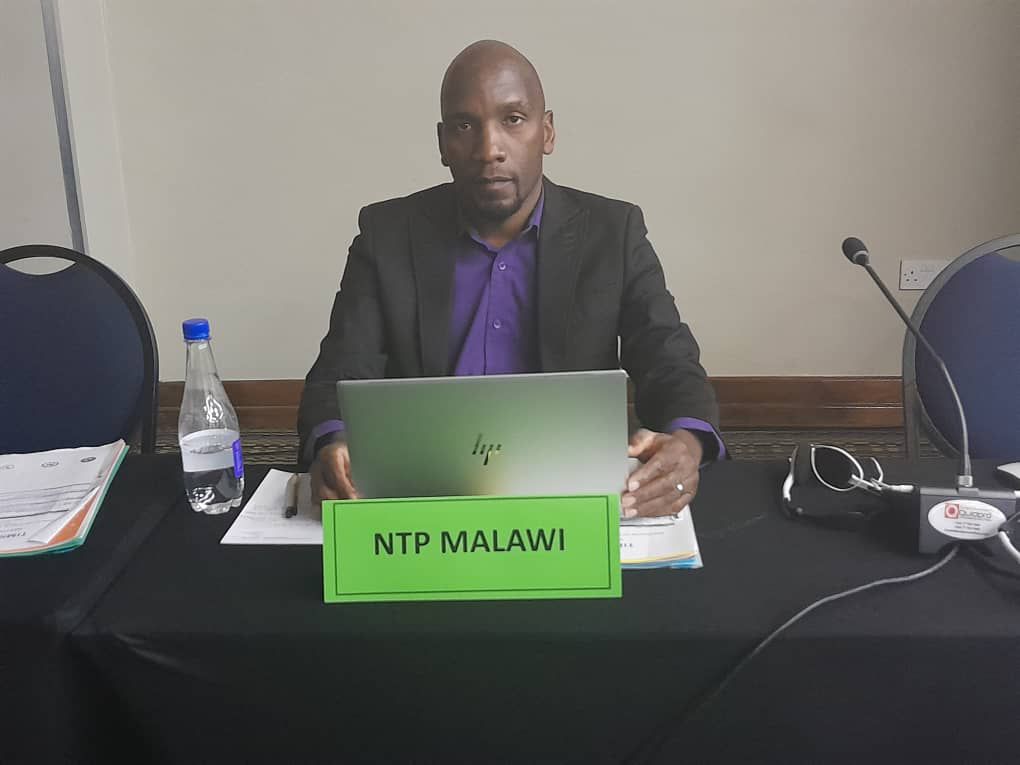
    Dr. Rapson Kachala from the Ministry of Health noted the government’s efforts in capacity building for pharmacy personnel.

    “We need to be accountable in procurement and records keeping to impress donors,” Said Kachala.

    The project is being implemented in Senegal, Tunisia, Malawi, and Uganda.

  • Our Aim Foundation to handover health center to Mchinji communities

    Our Aim Foundation to handover health center to Mchinji communities

    Our Aim Foundation, a US-based non-profit organisation, is on Thursday expected to handover Nafuse Health Clinic to communities in Mchinji District.

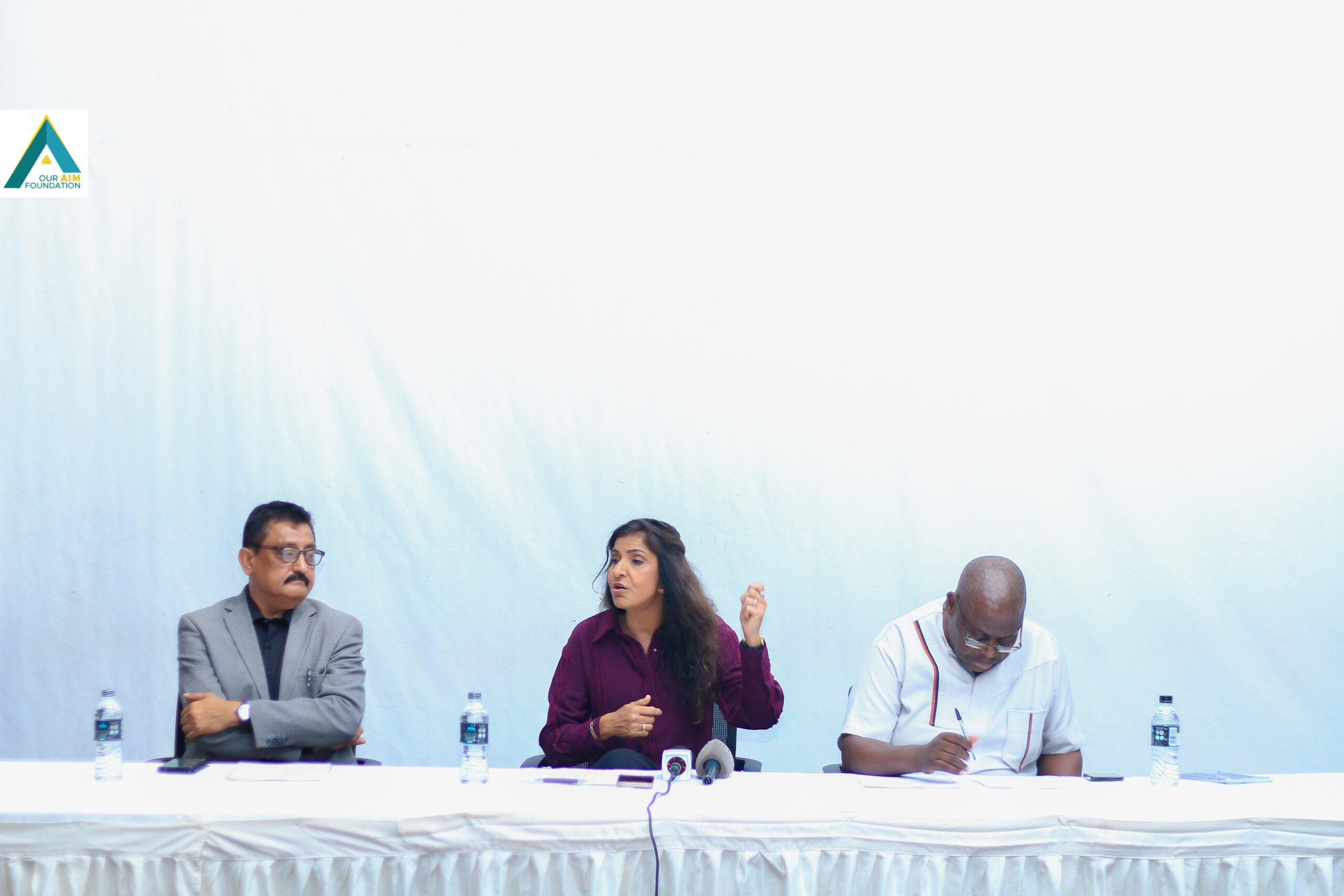
    Addressing the media on Tuesday in Lilongwe, the Foundation’s founder, Nisha Mandani said the clinic, which has six modern staff houses will serve 92 villages Senior Chief Mkanda.

    She said about 50 000 people are expected to benefit from the K700 million clinic built at Mbewa Village.

    “The clinic will be offering crucial services like maternity care, immunisations and check-ups. Further, it will be providing emergency services and help combat prevalent diseases like malaria and other waterborne diseases,” said Mandani who added that she decided to help the community after witnessing the struggle the community had accessing health service.

    Before the facility, people in the area had to travel a very long distance to either Mkanda or Kapiri Health Center to access different services.

    Nafuse Health Clinic is the second falicity which Our Aim Foundation has built in the district. They also built Tongozala Health Clinic under the same Senior Chief Mkanda.

    The two clinics which are being operated hand in hand with Mchinji District Health Office, are offering free service.

    This will be the organization’s second clinic in Mchinji, offering free medication and services. The other clinic is in Tongozala, Traditional Authority Mkanda. Mandani, however, acknowledged that they need more Malawians and more local organizations to join efforts with them to open more such institutions in many districts.

    Dr Damson Kathyola, Our Aim Foundation Board Member who is one of the Commissioners for Health Services Commission, said the facility will help reduce maternal and mortality deaths in the district.

    “We cherish efforts by Our Aim Foundation to complement government’s to make sure that each and every Malawi has access to health services in the country. The more important thing is that the foundation is working with people from the hard to reach areas, who walk long distances seeking health services,” he said.

    Our AIM Foundation was founded 15 years ago with multiple branches in Africa and South Asian countries. It is a donor-run organization which directs close to 100 percent of its donations to its beneficiaries.

    The foundation aims at improving the quality of life of underprivileged communities through absolute FREE services in Education, Health, Water & Sanitation, Women & Youth Empowerment, Hunger Prevention by covering over eight Sustainable Development Goals of the United Nations.

    To date, the services have benefitted over 5,000,000+ individuals from disadvantaged backgrounds. It is a recipient of multiple prestigious global awards from the President of the United States, the White House, Global Water Award from the International Water Association and many more.

  • Wellness Centre in Backpain and Arthritis awareness week

    Wellness Centre in Backpain and Arthritis awareness week

    Beatitude Naturopathy and Wellness Centre has organized week-long Backpain and Arthritis awareness and alignment sessions where patients will be treated using naturopathic methods.

    The Centre’s Director Francis Malunga said in an interview yesterday that the awareness week will run from 23 September to 27 September 2024 from 7.30am to noon at their centre at Manase in Blantyre.

    “So far, we have conducted two Backpain awareness campaigns in the past where people with acute backpain were treated using naturopathic methods. This time we thought of adding those with arthritis problem so that we should help them and give them information about these ailments,” said Malunga.

    He said the Wellness Centre will offer free lectures to people who have backpain and arthritis issues apart from treating them.

    The center

    “They will only need to pay a registration fee of K20,000 otherwise we will not be charging for the actual treatment of the backpain and arthritis,” said Malunga.

    Malunga distinguished naturopathy and wellness from hospital care citing the former provides respect for the healing processes of nature while empowering the individual to take responsibility for their own health process.

    “We are aware that some people have gone outside the country to have backpain surgeries and arthritis care which have not been fully healed, we recommend that these people should patronize the backpain and arthritis awareness week, we can be saving a lot of forex if we do these procedures here in Malawi using naturopathic methods,” said Malunga.

    One of the people who attended last year’s awareness week Peter Kachepa said it was worthwhile as he had his back problem sorted within a day.

    “The tips and lecture that they gave us were also helpful because one knows what to do when he or she notice the signs and symptoms. I would encourage those with backpain issues to attend the awareness week,” said Kachepa.

    According the World Health Organization (WHO) about 620 million people suffered low back pain in 2020 and it is estimated that the number will increase to 843 million by 2050 adding that low back pain is the single leading cause for disability worldwide and it is a condition which many will require rehabilitation.

    Beatitude Naturopathy and Wellness Centre recently relocated from Balaka to Manase, Blantyre to serve more people who were looking for naturopathic treatment.

  • FDH Bank commits K7m towards NPL’s Mother’s Fun Run

    FDH Bank commits K7m towards NPL’s Mother’s Fun Run

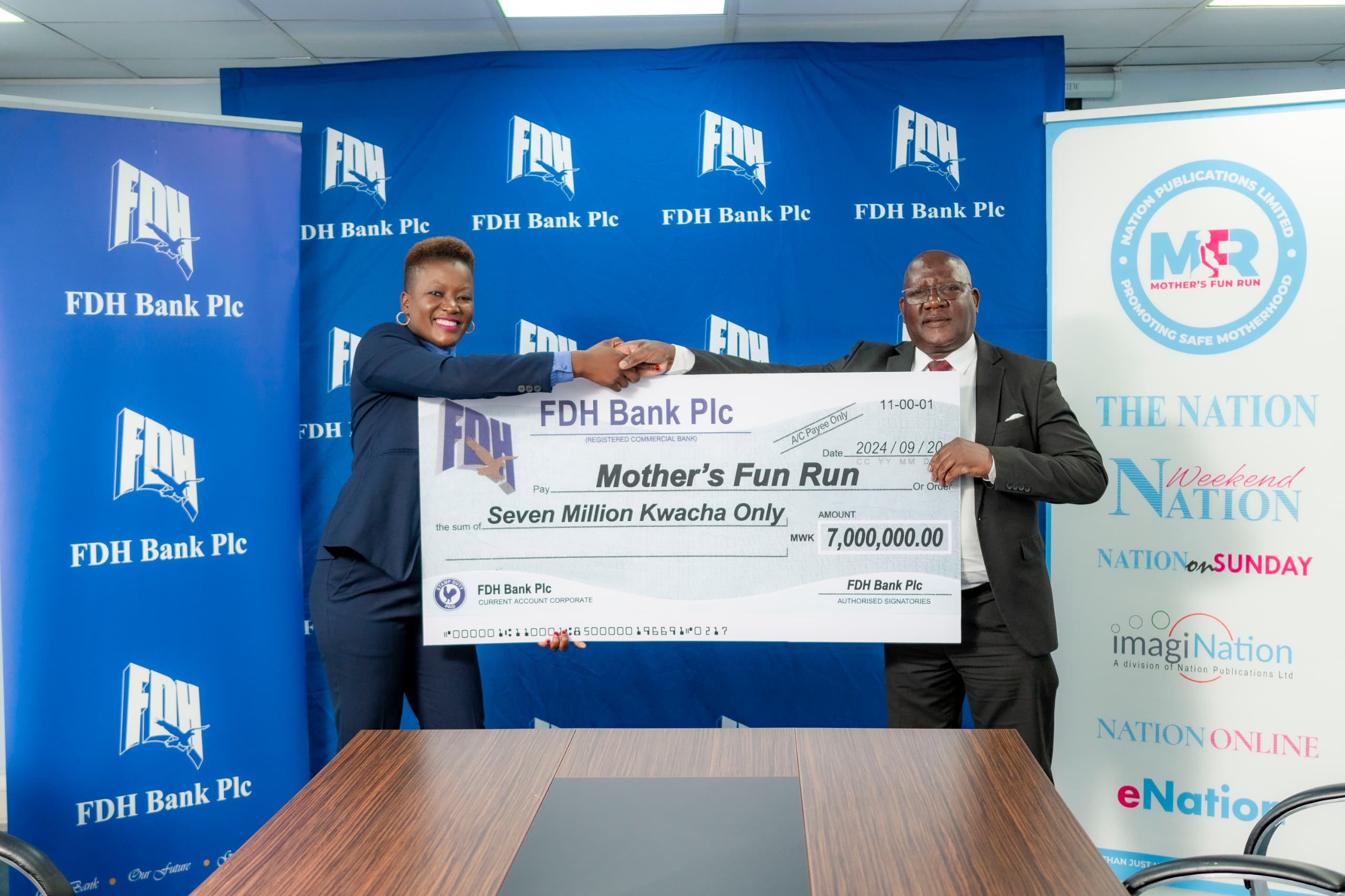
    Listed FDH Bank has given K7 million to Nation Publications Limited in support of this year’s Mother’s Fun Run initiative which aims to promote safe motherhood in Chikwawa District.

    Speaking at the cheque handover ceremony in Blantyre, FDH Bank’s Public Relations Manager, Lorraine Chikhula praised the Fun Run initiative for promoting safe motherhood in Malawi for nearly two decades.

    “This is a critical development initiative, as we are all here because of mothers, and every child and mother deserve quality, safe healthcare. Safe motherhood is the foundation of a healthy nation, enabling further development.”

    “The initiative also aligns with the Bank’s corporate social responsibility program, FDH Cares, which focuses on four pillars; Our Community, Our Environment, Our People, and Our Economy. Under Our Community, we champion various initiatives, especially in health and education, which are directly aligned with the Mother’s Fun Run initiative,” said Chikhula.

    Representing NPL at the event, Weekend Nation Editor, Steven Nhlane, expressed heartfelt appreciation to FDH Bank plc for their generous donation towards the initiative.

    He commended the Bank for its continuous commitment to supporting safe motherhood, noting that the contribution would have a significant impact in Chikwawa District.

    “We are truly grateful to FDH Bank for this generous donation, which will go a long way in improving maternal and child healthcare in Chikwawa. Your unwavering support for this initiative, now running for close to two decades, is a testament to your dedication in making a difference in the health and well-being of Malawians. Together, we can help ensure that every mother and child have access to the quality care they deserve,” Nhlane remarked.

    FDH Bank plc has reaffirmed its strong relationship with the health sector and its commitment to supporting initiatives that improve the well-being of Malawians.