Category: Health

  • Poverty, illiteracy exacerbating mental health problems in Malawi- Udedi

    Poverty, illiteracy exacerbating mental health problems in Malawi- Udedi

    Government says poverty, lack of education and limited economic opportunities are exacerbating mental health problems in Malawi.

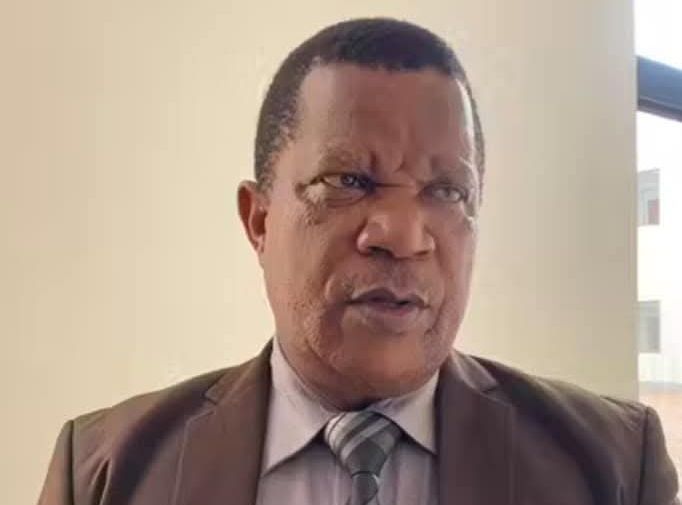
    Assistant Director of Curative and Medical Rehabilitation Services – Mental Health, Dr Michael Udedi said this on Thursday in Lilongwe during the Mental Health and Trauma Recovery among Social Service Workforce and Children workshop.

    The aim of the workshop was strengthen multi-sectoral collaboration, highlight evidence-based practices, and foster collective healing by addressing trauma and mental health challenges faced by frontline workers and the children.

    According to Udedi, “People are experiencing a number of issues which can contribute to mental health and psychosocial issues, hence the need for such kind of meetings, so that we can come up with action points supporting people experiencing mental health and psychosocial issues,” he said.

    However, he was quick to point out that government is implementing a number of initiatives to address the situation.

    “Some of the interventions include training people in the community and provide psychological first aid which is provided to people when experiencing mental health problems. We have trained teachers, social workers, healthcare workers, some police officers and other groups,” he said.

    In his remarks, Alliance for Children’s Everywhere Country Director Chisangalalo Ntonio said there is slow progress in terms fighting mental health problems especially among children.

    “There are a number of children who are traumatized and have mental health problems. Some cultural aspects are contributing to mental health problems and trauma among children. Even social media is highly contributing to the challenge,” he narrated.

    He however called for collaboration between government, non-governmental organizations and community organizations to strengthen mental health services.

    The workshop was held under the theme “Advancing Mental Health and Trauma recovery for Professional and Children.”


  • SKC Foundation aids Ntcheu Hospital with K16 million medical supplies

    SKC Foundation aids Ntcheu Hospital with K16 million medical supplies

    The Saulos Klaus Chilima (SKC) Foundation on Tuesday donated medical items worth K16.7 million to Ntcheu District Hospital on the first death anniversary of the fallen Vice President Saulos Chilima.

    The donation included hospital beds, suction machines, and other medical equipment and were donated as part of the activities to honour Chilima, who died along with eight others in a plane crash at Nthungwa forest in Nkhata-Bay on 10 June 2024.

    Chairperson of the Foundation, Mary Chilima, said the gesture was part of honouring her late husband, who believed in helping others.

    “The SKC Foundation is aimed at perpetrating Chilima’s legacy, so this is part of continuing this. As we commemorate 365 days since his death, we thought of not only mourning him but donating to this hospital, which is close to where we buried him.”

    “We have started with the health sector, but we will extend the gesture to other areas like education and mindset change and skills development especially for the youths,” said Chilima who was accompanied to the event by her first-born son Sean and a family member Anna Sasuze, an aunt to the late Chilima.

    Chilima also indicated that the SKC Foundation raises funds for such charity activities through contributions from the general public.

    In his remarks after receiving the donated items, Ntcheu District Council Director of Health and Social Services, Innocent Mhango, commended the Foundation for the items, which he said will be used in the high dependency units at the facility.

    “We are grateful because this has come at the right time. As a council, we made a decision to open a high dependency unit, so these items will play a crucial role in this. As you know, Ntcheu Hospital is along the M1 road; therefore, we don’t just serve people from the district, we also handle a lot of accident-related cases before they are referred to Kamuzu Central Hospital,” he said.

    Before the donation, the Chilima family attended a requiem mass in memory of the late Chilima and others at Nsipe Catholic Church.

  • Civil Society backs user fees in public hospitals, urges protection for the poor

    Civil Society backs user fees in public hospitals, urges protection for the poor

    Malawi’s civil society organizations (CSOs) have endorsed the introduction of modest user fees in public hospitals as a strategic step to improve healthcare delivery, stressing the need for clear protection measures to shield the poorest and most vulnerable citizens.

    The endorsement came during a National Dialogue on Health Financing and Access to Essential Medicines, held at the Bingu International Convention Centre (BICC) in Lilongwe, co-hosted by the Kenya Ethical and Legal Issues Network (KELIN) and Community Health Rights Advocacy (CHRA).

    The discussion comes amid a backdrop of chronic underfunding of Malawi’s health system, with rising demand for services and dwindling donor contributions placing mounting pressure on public facilities.

    According to the African Institute for Development Policy (AFIDEP), while Malawi’s health budget rose from 8.8 percent in 2023/24 to 12 percent in 2024/25, it remains below the Abuja Declaration target of 15 percent.

    The country still relies heavily on external support, with donors contributing 54.5 percent of the total health expenditure, while government financing accounts for only 24.1 percent.

    George Jobe, Executive Director of the Malawi Health Equity Network (MHEN), emphasized that user fees—when structured with care—could support service delivery without excluding the poor.

    “We should be reminded that one of the reforms in the health sector was the National Health Insurance. This was a way to make clients contribute to healthcare in advance,” Jobe said. “Looking at the National Health Financing Strategy, we really need to identify how to correctly determine who is poor, so that those individuals can continue to access free services in public hospitals.”

    He added that “Paying Wings” have long operated in central hospitals and are now being introduced in district hospitals to raise internal revenue, an approach MHEN supports so long as safeguards for the poor are in place.

    The Ministry of Health has echoed similar sentiments. Dr. Rabson Kachala, Deputy Director of HIV and Viral Hepatitis, argued that a small user fee could contribute to better equity and service quality.

    “The idea to pay for health services will help the government to provide equitable healthcare for its people,” he stated. “There are people that may require privacy in public hospitals, and we must respond to those needs. But the government remains committed to ensuring that everyone—rich or poor—can access the same standard of care.”

    Harry Madukani, Programs Manager at the Coalition of Women Living with HIV and AIDS, added a critical voice representing marginalized groups, noting that the realities of health service delivery demand a shift in how services are financed.

    “Malawi’s health system is strained. With donors reducing support and the government budget still falling short of the 15% Abuja target, we need bold measures,” said Madukani.

    “User fees must not be viewed as punishment but as part of a broader solution—provided mechanisms are in place to protect those who cannot afford to pay.” She also emphasized the need for targeted subsidies and exemptions, particularly for women and people living with chronic illnesses, including HIV and cervical cancer.

    However, not all voices were in full agreement. Kondwani Mjanthu, representing the Pharmaceutical Association of Malawi (PHASOM), warned of potential consequences if the system is not carefully designed.

    “Government must tread carefully on this matter as it may risk denying access to healthcare to some Malawians,” he said. “There are numerous people in the country who depend entirely on government for survival. How sure are we that people will be able to pay?”

    The dialogue highlighted that over 72 percent of Malawians live on less than $2.15 per day, making affordability a legitimate concern.

    Still, participants agreed that inaction is not an option. Recommendations included: introducing user fees with an exemption framework for the poor; developing a national health identification system to determine eligibility for free care; expanding community health posts and mobile clinics; and exploring taxation on alcohol to raise domestic health financing.

    As Malawi navigates these reforms, the message from civil society is clear: health financing must be equitable, transparent, and sustainable so that no Malawian should be left behind in the pursuit of better health.


  • Unsafe abortion still claiming lives of women, young girls

    Unsafe abortion still claiming lives of women, young girls

    Tadala Zindawa (not her real name), a 21-year-old, sought an abortion due to an unwanted pregnancy while in form 1 at a secondary school at Tata Village, Traditional authority Chitukula in Lilongwe.

    Fear of parental disapproval and the illegality of safe abortion options, led her to consider traditional methods.

    This situation highlights challenges related to adolescent reproductive health, access to safe abortion, and the influence of cultural factors and misinformation regarding family planning methods within this community.

    In Malawi, abortion is illegal except when the life or health of the pregnant woman is at risk. Performing or obtaining an illegal abortion can lead to criminal charges, including imprisonment for both the woman and the provider.

    Harmful traditional practices persist in rural areas despite ongoing efforts to eradicate them, increasing complications and mortality among women and girls.

    “I felt uncomfortable at school after becoming pregnant. I confided in a friend, who suggested using Aloe Vera or Surf Soap to induce an abortion. Following her advice, I experienced severe abdominal pain and profuse bleeding, prompting me to call for my mother. My mother and aunt took me to the hospital, where I received post-abortion care. I am now continuing my studies,” said Tadala

    Unlike Tadala who survived, Maliam Funsan, a 72-year-old from Ntchisi district, recounts the February 2024 death of her 25-year-old daughter due to a late-term (7 months) unsafe abortion,

    “She went to a traditional healer who gave her herbs to drink, leading to an abortion. The healer advised her to wait five days for complete expulsion, but she experienced severe pain. I then took her to Kamuzu Central Hospital, where she died the next day,” she said.

    Funsan added that her daughter, wanting to get married, viewed the pregnancy as an impediment to her plans.

    Kabudula Community Hospital situated in Lilongwe north has reported multiple cases of women and girls seeking medical care due to complications from traditional abortion methods.

    In 2023, two women died after using cassava stems to terminate pregnancies, according to Chancy Msongole, a technician at the hospital.

    Msongole added that women and girls often resort to unsafe abortion methods and avoid post-abortion care, increasing their risk of maternal complications and death.

    He added that blood clots, if retained too long in the uterus, decompose and turn to pus, which can be fatal in cases of severely delayed treatment.

    In the southern region, Nainunje Health Centre in Machinga district which caters for the area of senior chief Chiwalo recorded 1, 214 teenage pregnancies in 2024, according to Disease Control Surveillance Assistant, James Rajab.

    In 2023, 13 girls aged 10-24 sought post-abortion care after unsafe abortions; this number increased to 15 in 2024. In the first quarter of 2025, we have registered 5 cases. In 2024, a woman from Chitambi village, Traditional Authority Chiwalo, died due to an unsafe abortion before arriving at the hospital,” he added.

    The Centre for Solutions Journalism survey indicates that poor rural women are likely to seek induced abortion from witch doctors while urban women they seek induced abortion from health providers with a technical background, therefore poor women from the villages are likely to have complications that women on urban.

    For example, the survey shows that 67 percent of rural poor women are estimated to have complications compared to 35 percent urban – non poor women.

    The Centre believes that abortion is a common health intervention it is safe when carried out using methods recommended by WHO appropriate to the pregnancy duration and by someone with the necessary skills.

    It is pressing parliament to expedite Termination of Pregnancy Bill warning that delays may endanger women and girls’ lives.

    Dr. Matthews Ngwale, chairperson of the parliament committee on health, reiterated the Centre for Solutions Journalism’s findings that rural women lack awareness about abortion and often seek unsafe procedures from traditional healers, unlike urban women who utilize healthcare providers.

    Ngwale stressed the need for public understanding of the Termination of Pregnancy Bill, stating that NGOs should educate villagers on the dangers of unsafe abortions, including mortality, complications, and hysterectomies. He warned that a lack of stakeholder satisfaction with this information could hinder the Bill’s progress.

    He urged maternal health organizations to conduct awareness campaigns in rural areas to educate people about abortion.

    Ngwale also confirmed that the Termination of Pregnancy Bill remains in Parliament, despite facing opposition from the government, religious leaders, and traditional leaders in 2021.

    He clarified that the bill’s fate is not solely determined by the president, parliament, or traditional leaders.

    Health Activist George Jobe emphasized that access to contraception, including emergency options, is crucial for women and young women to prevent unwanted pregnancies.

    “Increased awareness and accessibility of family planning methods, especially in rural areas, are vital to reducing maternal mortality,” he said

    Legal expert Chrispine Siwande clarified that Malawi’s Termination of Pregnancy Act, section 3, permits termination when a pregnancy endangers a woman’s life or physical/mental health.

    Religious leaders hold differing views. Reverend Martin Kalimbe of the Religious Leaders Network for Choice stated that abortion is justifiable when the mother’s life is at risk or in cases of severe fatal malformation.

    Conversely, Billy Gama, Chairperson for the Malawi Christian Council Churches (MCC), maintains his opposition to abortion, except when necessary to save a woman’s life.

    He emphasized the need for clear legal language, specifying that abortion is only acceptable when the woman’s life is in danger, rather than a blanket legalization.

    “Clarity regarding Malawi’s abortion laws is essential to ensure that women and girls whose lives are at risk receive necessary medical care without being denied access due to legal ambiguity,” he said




  • SKC Foundation supports St John’s Mission Hospital with K7.2m

    SKC Foundation supports St John’s Mission Hospital with K7.2m

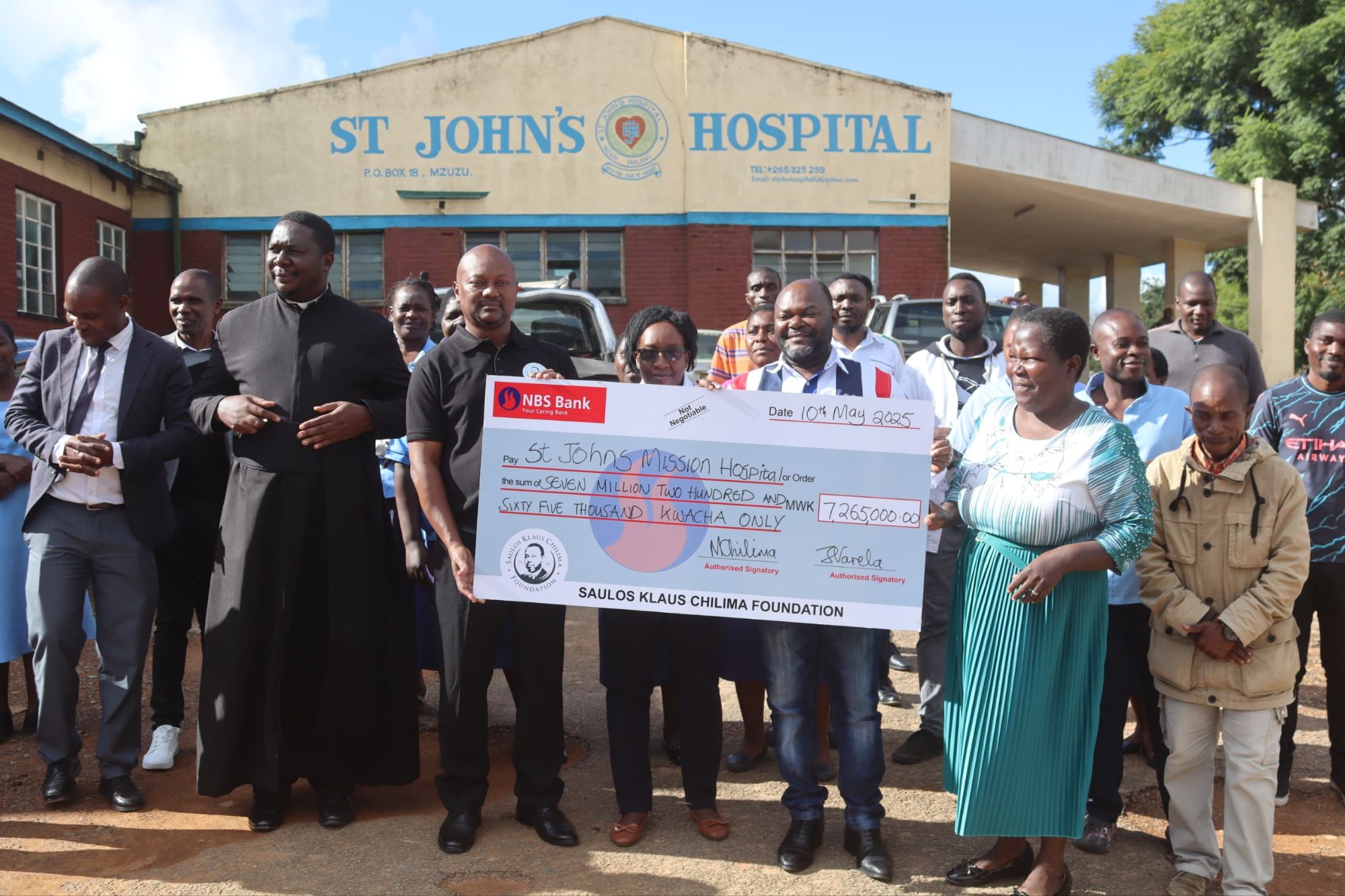
    The Saulos Klaus Chilima (SKC) Foundation has supported St John’s Mission Hospital with K7.2 million to be used to rehabilitate one of its ambulances which has frequently been breaking down.

    Speaking after the donation Joshua Varela, a Trustee for SKC Foundation, said the hospital, one of the oldest in Mzuzu, is facing numerous challenges, and the Foundation felt compelled to contribute towards addressing some of them.

    Varela said they considered the importance of the hospital to Mzuzu and the Northern Region in general hence the support.

    He said the foundation is also focused on supporting communities in areas such as health, education, environment among others.

    “They have a list of challenges and we chose to fix the ambulance because we felt it will serve a lot of people. Our board in March this year passed a resolution to fix the ambulance,” he said.

    In her remarks, St John’s Mission Hospital Director Jessie Chihana commended the Foundation for the gesture which came about after the hospital sounded an SoS in February this year during its Open Day.

    Chihana said there have been instances where the ambulance broke down en-route to a referral hospital while transporting patients, posing serious risks.

    “Currently we do not have a washing machine, our staff manually wash patients’ clothes using sticks, which is tiresome. But we thank God for organisation’s like SKC Foundation for remembering us in our challenges. The support will go a long way to improve service delivery at this hospital,” she said.

    Also present at the event were Wales Singini, Chairperson of the hospital’s Finance and Audit Committee, Father Tony Mfune and members of the hospital staff.

    The SKC Foundation is a non-partisan and non-political organisation aiming at fulfilling the vision and goals of the late Vice President Saulos Chilima was launched on 12 February 2025.

    Among some of its objectives the Foundation supports education for underprivileged students in Malawi, providing aid to those in need during unforeseen crises, encouraging self-sufficiency among Malawians, promoting youth leadership development and also promoting collective mindset change.


  • Nurses are the backbone of Malawi’s development – Chakwera

    Nurses are the backbone of Malawi’s development – Chakwera

    Reported By Sheminah Nkhoma:

    President Lazarus Chakwera has emphasised the importance of having more nurses and midwives as they contribute to the health care of many Malawians.

    Speaking on Monday during the Commemoration of International Nurses Day at Nkhwazi Admarc Ground in Mchinji, Chakwera appreciated the efforts which nurses put to help people in different hospitals across the nation.

    He said the government is constructing over 200 health posts to improve access to healthcare services in rural areas, which will also contribute to job creation.

    “As a government, we are proud of having nurses and midwives in hospitals because our country cannot go forward without your health support,” he noted.

    Chakwera further stated that the government will continue to support nurses by providing quality education to ensure the country has well-trained and experienced healthcare professionals.

    “People in rural communities should have access to quality education, as such we are working on having good nursing facilities where people will be trained and educated so that they provide better health services,” said Chakwera.

    President of National Organisation of Nurses and Midwives (NONM), Shouts Simeza, commended government for recruiting more nurses and midwives in the country.

    Simeza stated that it is important for the country to invest in nurses to build a resilient healthcare system.

    He said for credible work to be done by nurses they need to be promoted and trained as it provides them with motivation to keep on the hardworking spirit.

    Minister of Health, Khumbize Kandodo Chiponda urged nurses and midwives to be responsible for their work.

    “My ministry has received a lot of complaints about the way you misbehave to patients, I am urging you all to stop this kind of behavior and you should treat all patients equally and seriously,” she said.

    At the ceremony, President Chakwera presented awards to nine performing nurses and midwives.

    The day was being held under the theme “Our nurses our future. Caring for nurses strengthens economies”.


  • Community-led monitoring effort key in dispelling funding freeze misconception – JONEHA

    Community-led monitoring effort key in dispelling funding freeze misconception – JONEHA

    Network of Journalists Living with HIV (JONEHA) has emphasized the importance of community-led monitoring efforts in dispelling misconceptions about the funding freeze in Mulanje and Phalombe. According to Hastings Mwanza, advocacy and mobilisation officer at JONEHA, community engagement is key to addressing fears and misconceptions surrounding the funding freeze.

    “We have been working closely with communities to address fears and misconceptions surrounding the funding freeze,” Mwanza said. “Through our community-led monitoring, we ask communities what they hear to learn of misconceptions and share light information contained in Ministry of Health Circulars.”

    Mwanza revealed that JONEHA has interfaced with 24 groups of communities composed of 240 people to clarify the impact of the funding freeze. “Many community members were afraid that ARVs would run out of stock, but we have been orienting them on the assurance of availability of ARVs as communicated by the Ministry of Health,” he added.

    Mwanza emphasized that most communities misinterpreted the funding freeze to mean the stoppage of ARVs medicine dispensing, which is not the case. “ARVs are procured by the Global Fund, and we are working to ensure that communities have the right information about services,” he said.

    To address the issue, JONEHA is including indicators in their community-led monitoring tools to assess how the funding freeze impacted health facilities and following up on government circulars on how they are being implemented on the ground. “We are advocating for addressing existing gaps and hope to conduct radio programs and sensitization with healthcare workers to ensure that recipients of care have accurate information,” Mwanza concluded.

  • MAGLA donates curtains to QECH maternity ward

    MAGLA donates curtains to QECH maternity ward

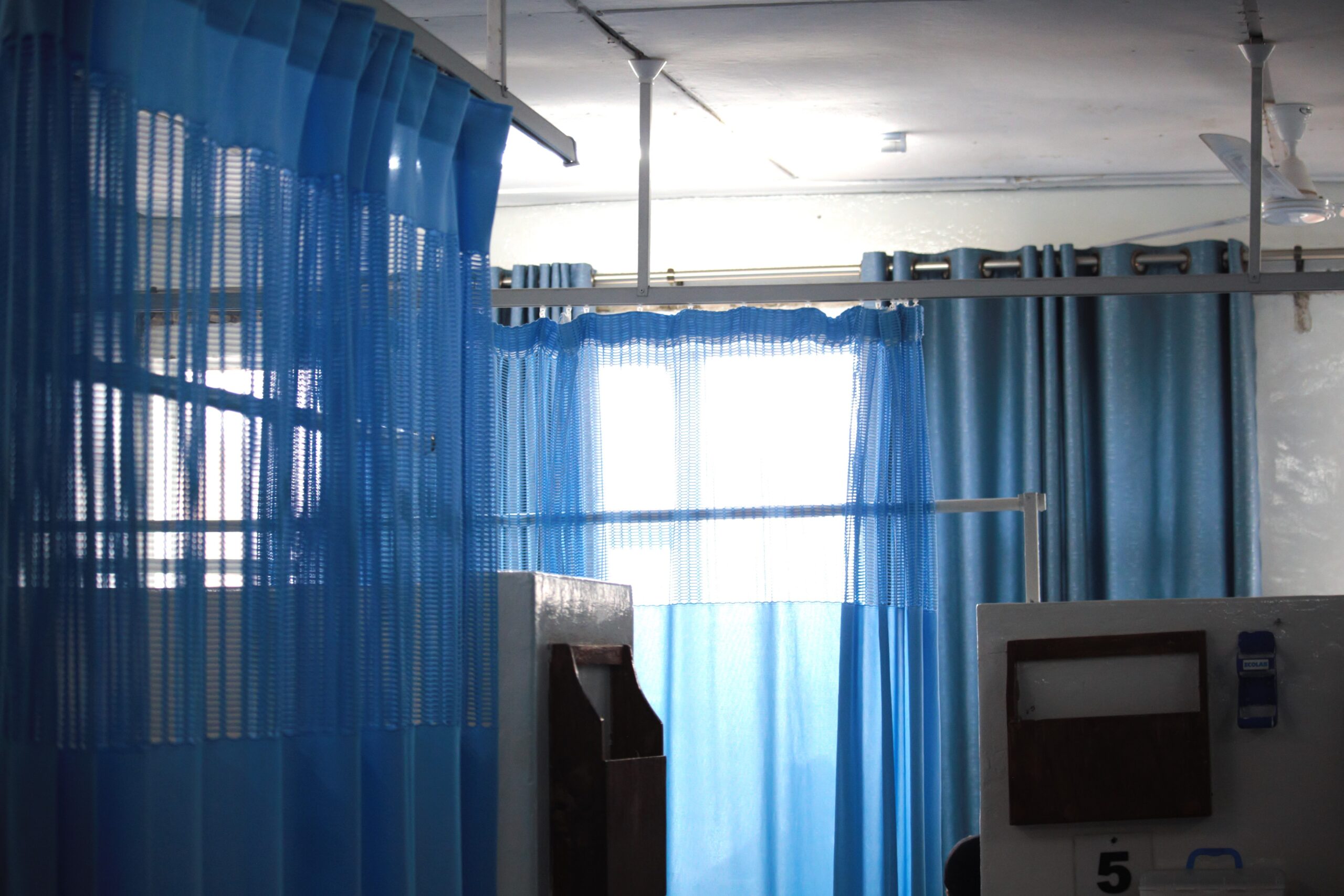
    Malawi Gaming and Lotteries Authority (MAGLA) has donated K6.7 million worth of curtains to Queen Elizabeth Central Hospital (QECH) maternity wing and other assorted items worth K1.4 million to mothers in the ward.

    Speaking in an interview after inspecting the installed curtains on Friday MAGLA Director General Rachel Mijiga said the Authority felt compelled to support the hospital’s need to bring dignity and respect in the labor ward.

    “The Hospital reached out to us saying there was a great need for curtains in the maternity wing cubicles to observe the dignity of mothers when giving birth. So, we felt compelled to come in and support the hospital as you have seen the numbers, every 51 minutes a new baby is born which is not easy for the medical staff.”

    “The curtains that covered the maternity ward and the cubicles cost K6.7 million and we also got salt, wrappers, bar soap, and buckets for the newborn babies costing us K1.4 million,” said Mijiga.

    In her remarks, QECH Midwifery Specialist at the Department of Obstetrics and Gynecology Christina Chapotera-Mbiza thanked MAGLA for donating the curtains.

    “These curtains will help us to provide the dignity of the mothers by promoting respectful maternity care and privacy in all the 24 beds in the labor ward. Normally on average per day, we have about 30 deliveries, and as a referral hospital most of these deliveries are complicated,” said Mbiza


  • Vital Rights Foundation touts legal clinic on Reproductive Health Rights

    Vital Rights Foundation touts legal clinic on Reproductive Health Rights

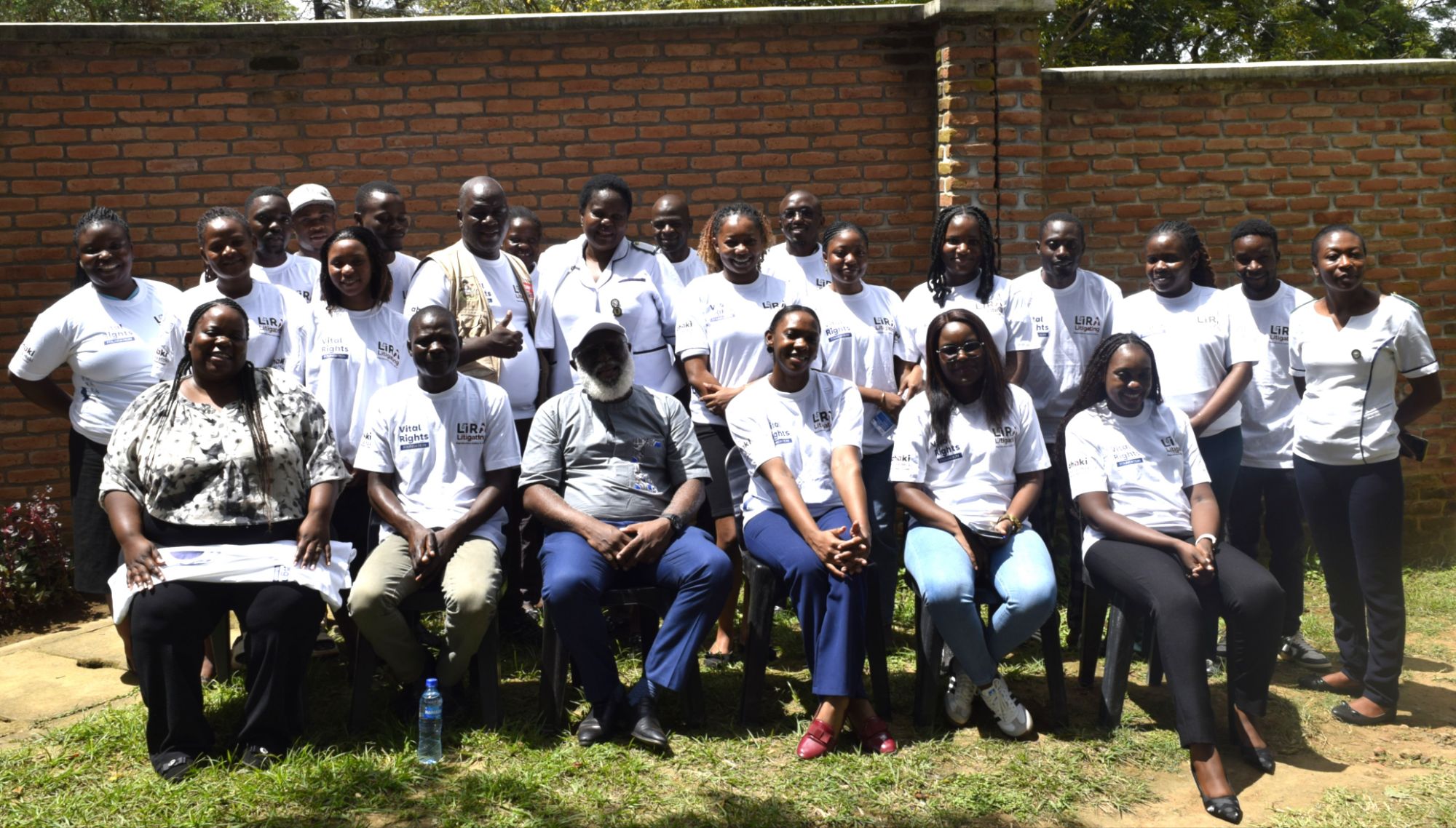
    In a collaborative effort to strengthen awareness and advocacy for sexual and reproductive health rights, Vital Rights Foundation in partnership with Nyale Institute hosted a legal clinic at the Queen Elizabeth Central Hospital’s One Stop Centre last week.

    The event, facilitated by the Vital Rights Foundation, provided crucial legal education to healthcare professionals on reproductive health rights and their legal obligations.

    During the clinic, the Executive Director of Nyale Institute, Dr Godfrey Kangaude, delivered an insightful presentation on Section 19 the Gender Equality Act, the legal foundation of sexual and reproductive health rights in Malawi and underscored the importance of these rights.

    “We supported this program on sexual and reproductive justice by explaining the legal basis of reproductive rights. It is essential to understand that in Malawi, there is a legal framework that protects these rights. If individuals are denied access to necessary reproductive health services, they have the right to seek legal recourse,” he said.

    Kangaude emphasized the government’s duty to provide essential reproductive health services, including access to contraceptives, prevention of sexually transmitted infections, and medical intervention in cases where pregnancy poses a health risk to the pregnant girl or woman.

    “On healthcare providers’ responsibilities under Section 20 of the Gender Equality Act, it highlights the obligation to deliver services without discrimination and to ensure patients receive all necessary information to make informed choices.”

    “We, as legal practitioners, work alongside healthcare providers to ensure that reproductive health rights are upheld. By fostering collaboration, we can bridge the gap between the legal and medical sectors to provide optimal services,” said Kangaude.

    Echoing similar sentiments, Vital Rights Foundation Executive Director, Molly Nkosi, highlighted the significance of the clinic in educating both healthcare providers and the public on reproductive rights.

    “Many healthcare providers and patients are not fully aware of their rights, which can lead to inadequate or denied services. This legal clinic aims to bridge that knowledge gap by ensuring that providers understand their duties and patients know their entitlements.”

    “Understanding the legal provisions within frameworks like the Gender Equality Act would empower healthcare professionals to offer more comprehensive and legally sound reproductive health services,” said Nkosi.

    Senior Nursing Officer at Queen Elizabeth Central Hospital, Bridget Msusa, expressed appreciation for the clinic, acknowledging its role in empowering medical professionals.

    “Legal support is crucial in our work. It helps us understand our responsibilities and ensure that we operate within legal parameters. This clinic has provided valuable insights into the rights of patients and our duties as healthcare providers. In addition, there is a need for the continuation of such initiatives, which could further enhance knowledge and compliance within the healthcare sector,” said Msusa.

    The legal clinic marked a significant step in reinforcing legal literacy among healthcare providers, ensuring they are equipped with the knowledge necessary to uphold reproductive health rights.

  • KOICA commits USD 7.4m to UNFPA, Malawi  to empower adolescent girls and teen mothers

    KOICA commits USD 7.4m to UNFPA, Malawi  to empower adolescent girls and teen mothers

    The Korea International Cooperation Agency (KOICA) has announced a USD 7.4 million funding commitment to UNFPA and the Government of Malawi to implement a ground breaking programme aimed at improving the lives of adolescent girls and teen mothers in Dedza and Mchinji districts.

    This investment underscores a shared commitment to advancing gender equality, strengthening sexual and reproductive health and rights (SRHR), and fostering economic empowerment among Malawi’s youth.

    Through the Addressing Challenges to Adolescent Girls’ Empowerment through Sexual and Reproductive Health and Rights (ACE) Programme, the funding will directly benefit 173,660 adolescents and young people aged 10-24, with an additional 354,883 indirect beneficiaries. The initiative aligns with Malawi’s national development priorities, including Vision 2063 and the National Population Policy, by tackling key barriers to education, SRHR, and economic independence for adolescent girls.

    Speaking on the significance of this investment, Man Shik SHIN, KOICA’s Country Director stated: “KOICA is committed to empowering adolescent girls in Malawi by expanding access to education, sexual and reproductive health services, and sustainable livelihood opportunities. This partnership with UNFPA and the Government of Malawi is a critical step towards breaking cycles of poverty and inequality, ensuring that young women can lead healthier, more autonomous lives.”

    UNFPA Malawi Representative, Nelida Rodrigues, emphasized the impact of the initiative: “This programme will address harmful practices such as child marriage and gender-based violence while strengthening adolescent agency and community support structures. Through this investment, we aim to ensure that every girl has the opportunity to make informed choices about her future.”

    Secretary in the Ministry of Youth and Sports, Isaac Katopola  added: “The government welcomes this partnership, which will enhance efforts to keep girls in school, provide essential health services, and create economic opportunities. By strengthening the social fabric of our communities, we are building a future where young women are empowered to reach their full potential.”

    The ACE Programme will be implemented from 2025 to 2028, employing a three-tiered approach to empower adolescent girls and teen mothers by enhancing comprehensive sexuality education in schools and communities, training teachers, and supporting at-risk girls with bursaries to complete their studies.

    Further, the program will strengthen adolescent-friendly health services, expanding outreach programs, and ensuring access to family planning, maternal health care, and sexual violence support services and provide financial literacy training, vocational skills development, and supporting safe spaces where young women can build resilience and access economic opportunities.

    By addressing systemic challenges such as early pregnancy, school dropouts, and economic marginalization, the programme contributes to Sustainable Development Goals (SDGs) 4 (Quality Education) and 5 (Gender Equality). The initiative will also support Malawi’s national efforts to reduce adolescent birth rates and eliminate harmful gender norms.