Category: Health

  • Simplifying children’s cancer diagnosis at QECH

    Simplifying children’s cancer diagnosis at QECH

    The thought of news that your child is to go for a cancer diagnosis as you are referred to Queen Elizabeth Central Hospital (QECH) on its own, is scary.

    On average, it takes a day or two to get the diagnosis done as the whole referral hospital has one machine for the task, in some cases, they tell you that your child has to undergo the same procedure twice, saying the first sample is missing.

    Fear of the unknown engulfs you as you see your child’s health deteriorate while waiting for the results.

    These and many more heartbreaking experiences were the order of the day at the Child Cancer Ward before National Bank of Malawi (NBM) plc donated a chemistry analyzer in 2023.

    The machine brings out accurate and factual results, helping early detection of cancer in children.

    Five common types of cancer affecting children in Malawi are Leukemia, Burkitt Lymphoma (cancer that affects the B lymphocytes, Wilms tumor (cancer of the kidney), Retinoblastoma (cancer of the eye), and Non-Hodgkin Lymphoma.

    In Malawi, 500 children are diagnosed with cancer per year, with QECH receiving an average of between 20-30 new patients per month.

    The month of February, the world commemorated World Cancer Day under the theme ‘United by Unique’, and the Children’s Cancer ward, which last year alone made 264 diagnoses, clocked a year and two months after life was made easy for both doctors and guardians with the donation of the chemistry analyzer as the process now takes an hour or at the maximum, two.

    QECH Pediatric Oncologist Dr. Beatrice Chikaphonya Phiri said the coming of the chemistry analyzer has greatly improved their work.

    “Usually, we would send the samples to the main lab, and sometimes the lab did not have reagents to do kidney or liver function tests. There were also some delays because, as you know, the main lab caters for the whole hospital, not just a department.”

    “But now, you can get the results in one or two hours, and at least we know we get results that are reflective of the state in which our patients are at that point,” says Dr. Chikaphonya Phiri.

    Dr Chikaphonya Phiri thanks the ‘Bank of the Nation’ for the kind gesture as they are assured of accurate results for the patients.

    “We are very grateful for the donation of the chemistry analyzer from National Bank. It has made our life easier, especially for the Children’s cancer ward. So far, since we had it, we have run 550 samples, and probably very few would be repeated from the same patient,” she explains.

    Echoing Chikaphonya Phiri is Pediatrics Department Registrar Dr. Nthambose Simango, who says in the past, the main lab would get overloaded or run out of reagents, and the other research machine at the facility had a limited number of samples it took, delaying the treatment of patients in the process.

    chemistry analyser

    “We were unable to do those tests, delaying management and sometimes treating patients blindly. So having this machine in the department has enabled us to have consistent availability of those tests, and we can manage our patients throughout the year,” says Dr. Simango.

    She, however, points out that the department needs a constant supply of reagents and a mobile X-ray machine.

    “We require a mobile X-ray machine because sometimes you have a sick child you cannot take to the X-ray department,” says Dr. Simango.

    Malawi Health Equity Network (MHEN) Executive Director George Jobe says statistics and remarks by the doctors signify improvements.

    “Every time we acquire new equipment; it is an improvement. What we are now is different from what we were 20 years ago, because we now have equipment that was not available back then. We look forward to purchasing more of such equipment. These tools of the trade make the life of health workers easier,” says Jobe.

    NBM plc Marketing and Corporate Affairs Manager, Akossa Hiwa says the Bank values the impact it makes in society.

    “As a Bank, two things we consider paramount in each Corporate Social Investment we make are sustainability and impact. It is a rule of thumb that the causes we invest in create positive impact and are self-sustaining. It is therefore fulfilling to note that the chemistry analyzer we gifted the Child Cancer Ward within 2023 continues to make a difference in the lives of Malawian children,” she says.

    This year’s theme, ‘United by Unique’, is a reminder that every cancer journey matters and that collective action is key to ensuring compassionate, equitable care for all.

  • The angel of Bwaila District Hospital: Chimwemwe’s Story

    The angel of Bwaila District Hospital: Chimwemwe’s Story

    Chimwemwe Masoambeta’s day begins early, as she arrives at Bwaila District Hospital in Lilongwe, before the sun rises.

    As the in-charge of the TB ward, she oversees the care of many TB patients, many of whom are in critical condition.

    Chimwemwe’s kindness and empathy towards her patients are evident in the way she interacts with them.

    ” As a nurse, I have seen first hand the devastating effects of TB in individuals and families. But I have also seen the power of compassion, care and support in helping patients recover and rebuild their lives,” she said

    She takes the time to listen to their concerns, answer their questions, and offer words of encouragement.

    “I believe that every patient deserves to be treated with dignity and respect, regardless of their background or circumstances. As a healthcare provider, it is my duty to provide the best possible care to my patients, and to advocate for their rights and needs.”

    One of Chimwemwe’s greatest motivators is the treatment success rate of her patients.

    Chimwemwe attending to a patient

    “TB is a curable disease, but it requires a comprehensive approach that includes not only medical treatment but also social and economic support. I am proud to be part of a team that is working tirelessly to combat TB in Malawi, ” she said.

    She finds joy in seeing people who were once at death’s door recover and return to their normal lives.

    Bula Ali, a 49-year-old TB patient from Kaliyeka Township in Lilongwe, is a testament to Chimwemwe’s dedication.

    “I was very sick when I came to the hospital, but now I’m fine,” he said. “The care I received here was exceptional.”

    Steve Belu, another patient from Malingunde, Lilongwe, echoed Bula’s sentiments. “The staff here is very caring and supportive,” he said. “They made me feel like I was part of a family.”

    Alice Mdolo, the TB officer for Lilongwe district health office, attributed the success of the TB ward to teamwork. “We work together as a team to ensure that our patients receive the best possible care,” she said.

    But Chimwemwe’s work is not just about providing care to individual patients; it is also part of a larger effort to combat TB in Malawi.

    According to the National Tuberculosis and Leprosy Elimination Program Strategic Plan, the government aims to reduce the incidence of TB by 50% and mortality by 75% by the end of 2025 from 2015 levels, on the other hand, by 2030, Malawi aims to reduce TB incidence by over 90%.

    Traditional Authority Tsabango, a prominent traditional leader in Lilongwe, is also advocating for the fight against TB.

    “As traditional leaders, we have a critical role to play in raising awareness about TB and encouraging our people to seek medical attention if they show symptoms of the disease,” he said.

    Dr. Kuzani Mbendera, the National TB and Leprosy Elimination Programs Manager, acknowledged the importance of traditional leaders in the fight against TB.

    “We need the support of traditional leaders like Traditional Authority Tsabango to reach out to communities and raise awareness about TB,” he said.

    Maziko Matemba, a health rights activist, expressed satisfaction with the progress Malawi has made in the fight against TB.

    “We still have a long way to go, but I’m encouraged by the dedication of healthcare workers like Chimwemwe and the commitment of traditional leaders like Traditional Authority Tsabango,” he said.

    Malawi, a small landlocked country in southeastern Africa, is one of the countries with high TB burdens in the world according to the World Health Organisation- WHO.

    The disease is a major public health concern, and the government has launched several initiatives to combat it.

    Chimwemwe’s story is a testament to the power of compassion and dedication.

    Despite the challenges she faces, she remains committed to her patients and is driven by a desire to make a difference in their lives.

    Her story is an inspiration to us all, reminding us of the importance of kindness, empathy, and hard work.

    Chimwemwe Masoambeta is a true hero, and her story is a testament to the power of compassion and dedication. Her commitment to her patients is inspiring, and her story challenges us to make a positive difference in the world around us.

  • Jacqueline’s triumph over HIV and TB

    Jacqueline’s triumph over HIV and TB

    In the heart of Lilongwe, Area 38, lies a tale of courage and perseverance. Jacqueline 40, a woman in her prime, has faced unimaginable challenges, but her spirit remains unbroken.

    Diagnosed with HIV and TB, she has walked a path few would dare to tread. Yet, she stands today, a beacon of hope for those who feel lost and forsaken.

    Jacqueline’s journey began with a diagnosis that shook her to the core. The weight of managing TB drugs and ARVs was crushing, but she found the strength to carry on. What followed was a series of trials that would test her resolve.

    Family members and friends turned their backs on her, and her husband abandoned her, claiming he couldn’t bear the thought of living with someone with HIV. The sting of his words still lingers: “You’ll be the first to die.”

    “I couldn’t believe when he said it that l will die first. It sent chills down my spine questioning our entire relationship. Its not just the comment itself, its the fact that he seemed so nonchalant about it. Like, what kind of a person says something like that?”

    The isolation and rejection took its toll. Jacqueline felt like she was drowning in a sea of despair.

    “People in our community started whispering behind my back, saying l’m cursed or that l’ve done something to deserve my husband’s behaviour. I’ve been shunned by some of our neighbors and relatives who claimed that l was unlucky or unblessed,” she narrated.

    While shedding tears, Jaqueline said: “My own relatives turned against me, saying l should just accept my fate.”

    The thought of ending it all crept into her mind, but something within her refused to give up. And then, fate dealt her a cruel hand. Her husband, the one who had abandoned her, passed away.

    The irony was not lost on Jacqueline. She had been told she would be the first to die, but here she was, still standing.

    Today, Jacqueline is a testament to the human spirit’s capacity for resilience. She has emerged from the darkness, stronger and more determined than ever. Her message to those living with HIV and TB is one of hope and defiance.

    “Don’t lose faith,” she urges. “Adhere to your medication, and never give up. I am living proof that it is possible to heal and live a full life.”

    Jacqueline’s journey would not have been possible without the support of healthcare workers at Bwaila Hospital.

    Richard Mvula, Public Relations Officer for Lilongwe District Health Office, highlights the hospital’s commitment to providing integrated services.

    “We strive to offer holistic care that addresses the physical, emotional, and social needs of our patients.”

    Dr Kuzani Mbendera, National TB and Leprosy Elimination Programs Manager

    Dr. Kuzani Mbendera, National TB and Leprosy Elimination Program Manager, emphasizes the importance of community support in the fight against TB and HIV.

    “We cannot do it alone. We need the involvement of communities, organizations, and individuals to provide care and support to those affected.”

    Maziko Matemba, a health activist, echoes this sentiment. “We must work together to break the stigma surrounding HIV and TB. We must create a society that supports and uplifts those affected, rather than shunning them.”

    Jacqueline has also found solace in the support of volunteers from Paradizo TB Patients Trust.

    Harriet Kakhobwe, Public Relations Officer for the organization, explains that their volunteers are trained to provide comprehensive care for people living with HIV and TB.

    “We believe that everyone deserves dignity and compassion, regardless of their health status.”

    As Jacqueline reflects on her journey, she is filled with a sense of gratitude and purpose.

    She knows that she is not alone; there are countless others who are facing similar challenges. And so, she has made it her mission to share her story, to inspire others to hold on to hope.

    “I want people to know that they are not alone,” she says. “I want them to know that there is life after diagnosis, that they can still live a full and meaningful life. I want to be a beacon of hope, a reminder that no matter what challenges we face, we always have the strength to overcome them.”

    Jacqueline’s story is a powerful reminder that even in the darkest moments, there is always hope. Her courage and resilience inspire us to reexamine our attitudes towards HIV and TB.

    As we strive to create a more compassionate and inclusive society, we would do well to remember Jacqueline’s words: “I am living proof that it is possible to heal and live a full life.”

    In a world where stigma and discrimination still linger, Jacqueline’s story is a testament to the human spirit’s capacity for resilience and hope. It reminds us that we all have the power to make a difference, to create a world where everyone can live with dignity and respect.

    As we celebrate Jacqueline’s triumph, we are reminded that there is still much work to be done. We must continue to fight against stigma and discrimination, to advocate for the rights of those affected by HIV and TB.

    We must work together to create a world where everyone can live with hope and dignity.
    Jacqueline’s story is a call to action, a reminder that we all have the power to make a difference.

  • Government assures Malawians of sufficient ARV drugs

    Government assures Malawians of sufficient ARV drugs

    Reported By Sheminah Nkhoma

    Minister of Health Khumbize Kandodo Chiponda has assured the public that the country has sufficient antiretroviral drugs (ARV)drugs for HIV patients.

    In an interview with Malawi News Agency (MANA) on Monday, Chiponda said the public should not worry about the drugs as they have in stock despite the recent withdrawal of the HIV and Aids funding by the United States Agency for International Development (USAID).

    “People should not panic about the withdrawal of USAID funds as they are reorganizing themselves, our services are continuing as they were in all health facilities across the country,” she said

    The Minister said government is also relying on other donor partners who are still helping in the health system of Malawi.

    “We have the Health Sector Joint Fund, which includes contributions from Germany, Norway, the United Kingdom and other development partners in bridging the financial gap left by USAID withdrawal,” She stated

    Chiponda further said the government has recruited additional healthcare workers to fill the vacancies left by departing US-supported staff.

    Recently USAID withdrew all projects in Malawi and other African countries due to significant budget cuts and policy shifts within the US government.


  • Nurse arrested for selling hospital fridge

    Nurse arrested for selling hospital fridge

    A nurse at Mwenilondo Health Centre in Karonga district has been arrested for allegedly selling a fridge meant for the storage of drugs and medical supplies.

    Karonga Police Station spokesperson Margaret Msiska told the Nation Online that the nurse, Nathaniel Msachi, is in their custody.

    She said on December 30 2025 a clinician Eunice Mwaungulu lodged a complaint that assailants broke into her office and stole a 300 litres deep freezer valued at K1.2 million.

    She said: “After investigations, police detectives on Monday this week apprehended Msachi who after questioning admitted to have taken the freezer on December 29 2025.


    “The suspect opened the door using the keys under his custody and later on tampered with the rim-lock to make it look like a break-in.”

    Msiska said the suspect will appear in court to answer a charge of theft by public servant.


  • Where are the key population HIV funds going?

    Where are the key population HIV funds going?

    This year’s World AIDS Day on December 1, the global community reflected 43 years since the CDC first alerted the world to the AIDS epidemic among young gay men in California.

    During this period, significant strides have been made in combating HIV and AIDS, particularly through international goals such as the 95-95-95 target, which aims for 95% of people living with HIV to know their status, 95% of those diagnosed to be on treatment, and 95% of those on treatment to have viral suppression.

    However, the story of Malawi’s key populations—LGBTQ individuals, sex workers, and other marginalized groups—presents a troubling paradox: despite national commitments and substantial international funding directed toward HIV interventions for these populations, progress remains stunted, and human rights abuses persist.

    Malawi has signed various agreements and made vocal commitments to include key populations in its national HIV response. These commitments are critical, given that these groups are disproportionately affected by HIV and face unique barriers to accessing health care. However, despite the promises, Malawi continues to grapple with the systemic issues that impede real progress, raising the question: Where is the money for key population HIV interventions really going?

    Stigma and Discrimination

    Key populations in Malawi, including LGBTQ individuals and sex workers, face relentless stigma, discrimination, and violence, both from the public and within the healthcare system. This discrimination is a significant barrier to accessing health services, pushing these vulnerable groups underground. As a result, they often do not seek the necessary care for HIV prevention, treatment, or management. Health professionals may refuse to treat LGBTQ people or sex workers, and fear of judgment or harassment can discourage individuals from seeking help.

    For these populations, accessing HIV testing, pre-exposure prophylaxis (PrEP), and antiretroviral therapy (ART) is a daunting challenge. Even when these services are available, they often come with the price of personal dignity and safety. The fear of being outed or criminalized for their sexual orientation or profession keeps people from engaging with the healthcare system. This gap in care not only increases the risk of new HIV infections but also perpetuates the cycle of marginalization and neglect.

    Broken Promises and Missing Targets

    Despite these glaring issues, Malawi has made commitments at the global and national levels to address the needs of key populations in its HIV and AIDS response programs. In line with the global 10-10-10 targets—aiming for 10% of people living with HIV to receive treatment, 10% to access prevention services, and 10% to be retained in care—it is expected that specific interventions would be tailored for key populations. However, this has not been the case in Malawi.

    Instead, funding allocated for these critical interventions is not always reaching those who need it most. Even though Malawi receives substantial financial support from international donors to fund key population-specific HIV interventions, these funds often fail to translate into real, on-the-ground changes. Health programs targeting key populations remain underfunded, underdeveloped, and poorly implemented, leaving these groups without the vital services and protections they need.

    Where Are the HIV Funds Going?

    The critical question remains: if Malawi has received considerable funds to support HIV interventions for key populations, where is the money going? International donors have made substantial investments, and the global community has consistently stressed the need for inclusive HIV responses. However, despite these resources, the country has failed to implement targeted strategies that address the unique needs of LGBTQ individuals and sex workers.

    The issue, in part, lies in the legal and policy environment. Homosexuality is criminalized in Malawi, and sex work is also illegal, creating an atmosphere of fear and reluctance to implement interventions aimed at these groups. Many NGOs and local organizations working with key populations report that the funding earmarked for HIV programs is often misallocated, siphoned off, or simply not used effectively. Additionally, there is little accountability in tracking the utilization of these funds.

    In some cases, funding meant for key populations is instead used for more generalized HIV programs, which do not adequately address the specific barriers faced by marginalized groups. For instance, resources are frequently diverted toward prevention campaigns that do not include LGBTQ individuals or sex workers as a target group. This lack of specificity and inclusivity in HIV programming perpetuates the health inequities that key populations face, leaving them vulnerable to higher rates of HIV transmission and other health challenges.

    A Struggle for Change

    Malawi’s failure to implement effective HIV responses for key populations can also be attributed to a lack of political will. The government’s public stance on HIV and AIDS, while often affirming global goals, is undermined by deeply ingrained societal and political attitudes that view LGBTQ people and sex workers as undeserving of care or support. These attitudes are exacerbated by conservative religious beliefs, which exert significant influence on policy decisions.

    In addition, key population issues are often sidelined in national policy discussions, and interventions targeting these groups are not prioritized in budget allocations. While there have been positive shifts in some areas—such as the introduction of community-led models for HIV prevention—these efforts remain largely isolated and lack the robust support needed for scale-up.

    The international community has a critical role to play in holding the Malawian government accountable. However, without the political will to create a more inclusive policy environment, the structural and legal barriers to HIV care for key populations will remain in place.

    Public Health at Risk

    The failure to address the needs of key populations has far-reaching consequences for the broader public health landscape in Malawi. When marginalized groups are excluded from the HIV response, it not only puts their health at risk but also compromises the health of the entire population. Undiagnosed and untreated HIV within key populations can lead to higher transmission rates, creating a new wave of infections that threaten national HIV control efforts.

    Additionally, the continued exclusion of LGBTQ people and sex workers from HIV care exacerbates the broader stigma surrounding HIV. This perpetuates the false notion that HIV is a disease of “other” groups, rather than a public health issue that affects everyone. As long as key populations are not fully included in HIV prevention, treatment, and care programs, the overall goal of ending the AIDS epidemic will remain out of reach.

    Looking Ahead

    As the world reflects 43 years of HIV and AIDS, it is crucial for Malawi to re-evaluate its commitments to key populations in its HIV response. The global 95-95-95 and 10-10-10 targets provide a framework for inclusive and effective HIV programming, but they cannot be achieved without a concerted effort to address the needs of the most vulnerable groups.

    For Malawi to truly honor its commitments to global HIV targets, it must take tangible steps toward addressing the barriers faced by LGBTQ individuals and sex workers. This includes dismantling discriminatory laws, creating supportive healthcare environments, ensuring the effective use of HIV funds, and fostering political will to create a more inclusive policy framework. Only then will Malawi be able to move closer to ending the AIDS epidemic for everyone, regardless of their identity or profession.

    The question remains: will Malawi honor its commitments and ensure that HIV interventions for key populations are not just promises on paper but actions that save lives? As we reflect on 43 years of the AIDS epidemic, the time for change is now.

  • Government distributes mobile digital X-ray machines to 12 district hospitals

    Government distributes mobile digital X-ray machines to 12 district hospitals

    The Ministry of Health has provided mobile digital X-ray machines to hospitals lacking functional ones, enhancing the screening of presumptive tuberculosis (TB) patients.

    The development comes after The Atlas Malawi reported that Chiradzulu district hospital is operating without the machine and that clients were returned home, and some were advised to seek services elsewhere.

    The Director of Health Technical Service in the ministry of Health, Godfrey Kadewele wrote a letter to 12 district commissioners informing them of the development.

    The hospitals are Zomba Central, Bwaila, Dowa District, Nkhotakota District, Salima District, Mangochi District, Machinga District, Chiradzulu District, Mwanza District, Chikwawa District, Rumphi District and Chitipa District.

    “The Ministry of Health through World Bank Covid Grant, Emergency Response, and Health Systems Preparedness Project, among many other items, procured twelve (12) mobile digital X-ray machines.

    “This letter is meant to notify your office that your district hospital or health facility is among the identified beneficiaries and that delivery of the machine is planned to be executed soon through the supplier, e-Trading Incorporation. Attached is the delivery schedule. Your usual support for safe and secure storage awaiting installation and training is expected and appreciated,” reads part of the letter dated November 19 2024 titled ‘Delivery of digital X-Ray machines.’

    In an interview, Chiradzulu District Hospital’s director of health & social services, James Chausa confirmed the development.

    “We have received the mobile digital X-ray machine and I can also confirm that all the related problems are now solved. We are now offering X-ray services at the hospital,” he said

    Chiradzulu District Hospital is operating without an X-ray machine, a development which is affecting the screening of presumptive tuberculosis (TB) patients.

    According to the World Health Organization (WHO), chest radiography, or chest X-ray (CXR), is an important tool for triaging and screening for pulmonary TB, and it is also useful to aid diagnosis when pulmonary TB cannot be confirmed bacteriologically.


  • PIL donates K7.8m solar water pump to Malomo Health Centre

    PIL donates K7.8m solar water pump to Malomo Health Centre

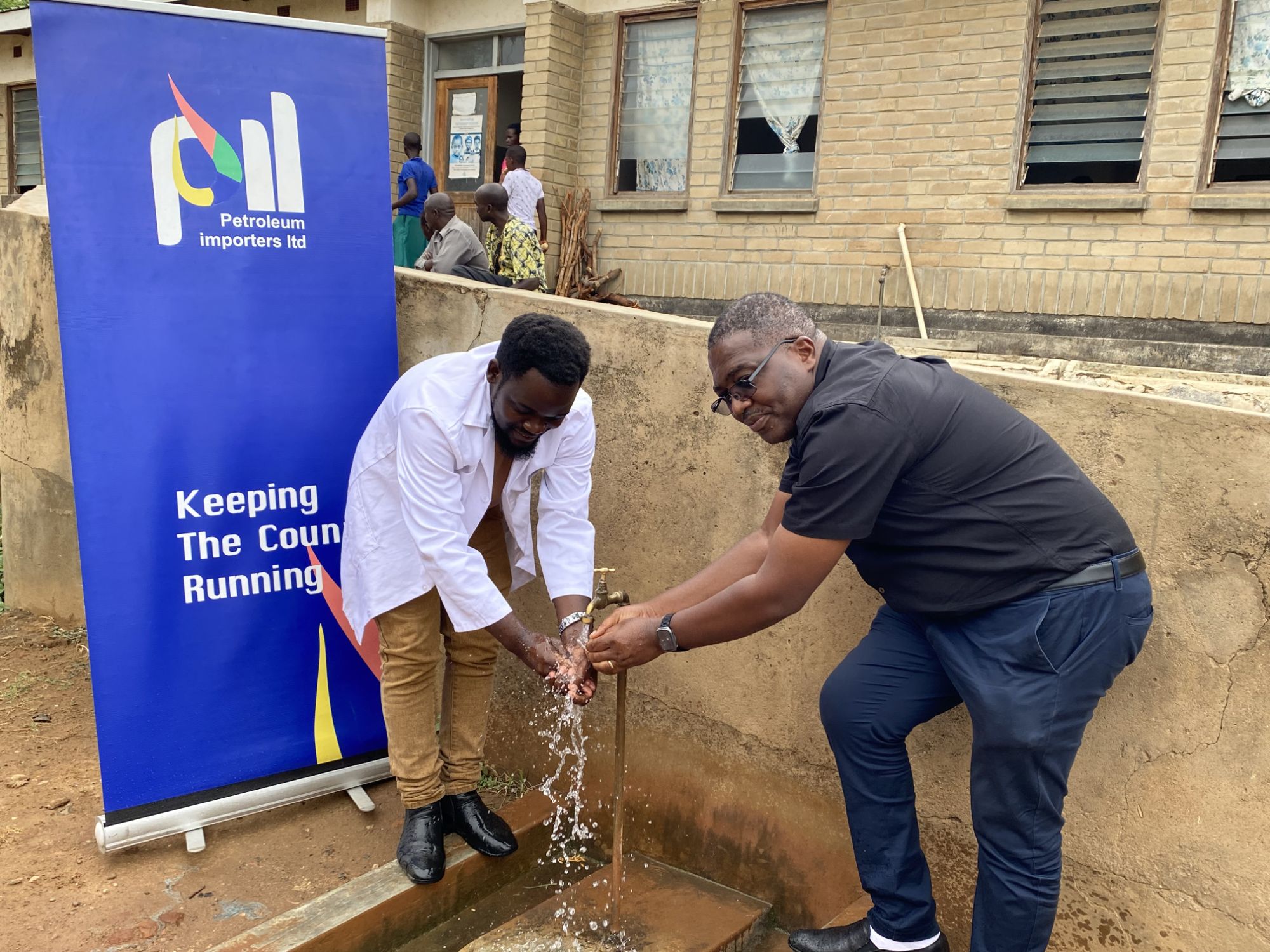
    Petroleum Importers Limited (PIL) a consortium of four oil marketing companies in the country on Thursday donated a solar water pump worth K7.8 million to Malomo Health Centre in Ntchisi to help ease water problems at the health facility.

    Speaking during the handover ceremony at the health centre, PIL General Manager Martin Msimuko noted that access to clean water is not just a basic necessity but a fundamental human right hence their assistance.

    “Water is life and hospitals cannot do well without clean and safe water. The installation of this solar water pump represents more than just a technological advancement, it symbolizes progress, sustainability, and a commitment to improving the quality of healthcare services in our rural communities.”

    “By harnessing the power of the sun, this pump will provide a consistent supply of clean water, ensuring that the hospital can maintain high standards of hygiene and care without interruption. This, in turn, will improve patient outcomes and contribute to the overall health of the community within the health center catchment area,” said Msimuko.

    He asked the people to take good care of the solar water pump.

    “As we hand over this solar water pump today, let us remember that this is just one step towards a brighter, healthier future for our community. It is a reminder of what we can achieve when we work together towards a common goal. I am confident that this project will inspire further initiatives to improve the lives of those in our rural areas,” said Msimuko.

    Facility In charge of Malomo Health Centre Zuze Khonde thanked PIL for the donation saying they had problems of accessing safe water especially during electricity blackouts.

    “We will make sure that we will take care of this pump so that we offer good care to patients because clean and portable water is essential for us to operate properly,” said Khonde.

    He said Malomo Health Centre has a catchment of 70,000 people with some coming from Bua in Kasungu.

    The four oil marketing companies that make up PIL include, Puma Energy, TotalEnergies, Vivo Energy and Petroda.

  • Regional collaboration key in SRHR commitments implementation

    Regional collaboration key in SRHR commitments implementation

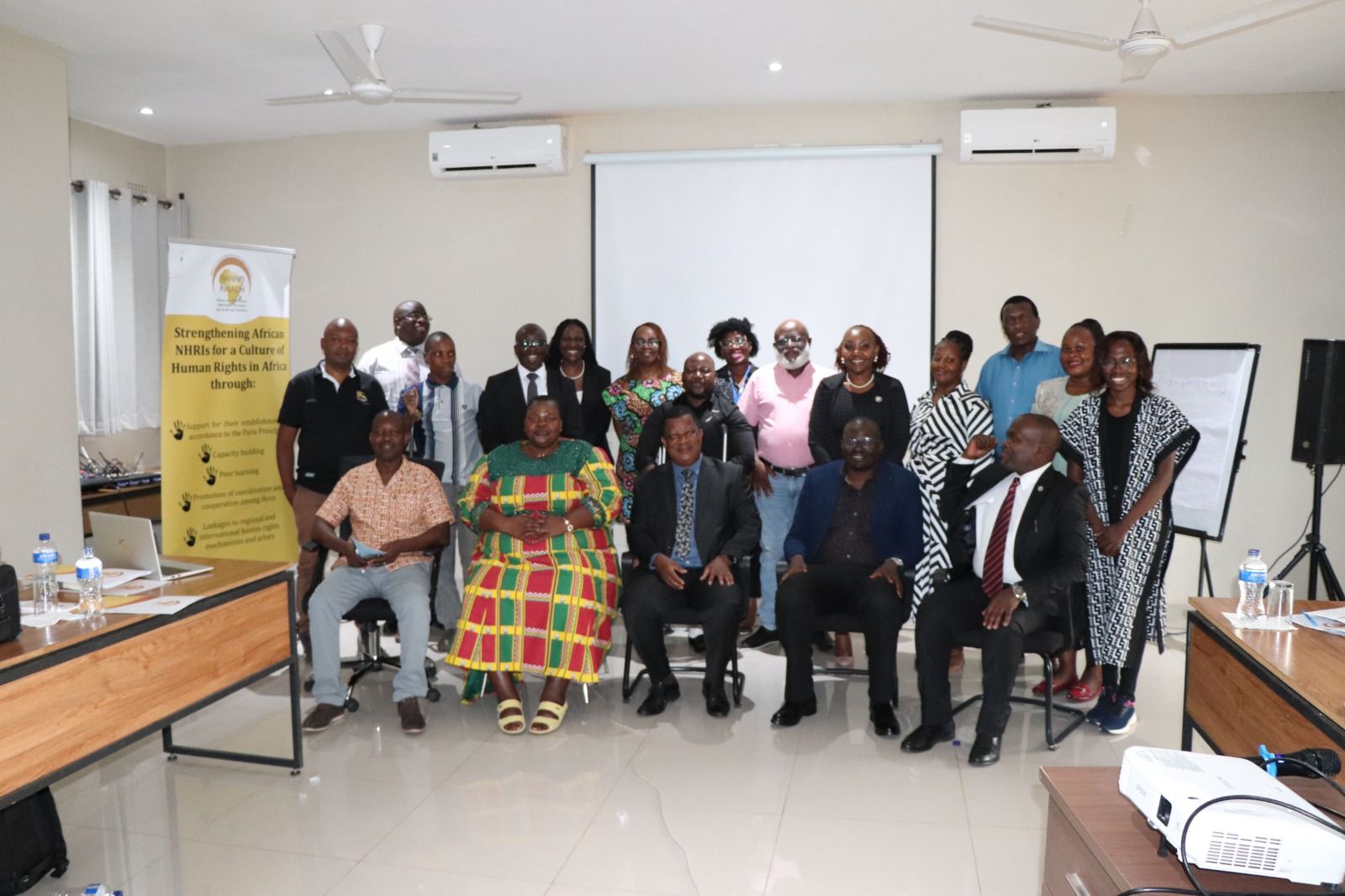
    Stakeholders at the regional sensitisation workshop on existing Adolescent Sexual and Reproductive Health Rights (ASRHR) legal frameworks have observed that lack of collaboration is the key setback in addressing critical issues affecting vulnerable children and women

    The workshop, organized by the Network of African National Human Rights Institutions (NANHRI), attracted participants from Ministries of Health, the African Committee of Experts on the Rights and Welfare of the Child (ACERWC), Civil Society Organizations, legislators and rightsholders.

    The National Human Rights Institutions were from Kenya, Uganda, Zambia, Zimbabwe and Malawi where NANHRI is implementing a project dubbed Amplifying Adolescent and Youth SRHR Voices.

    NANHRI programs manager Robert Athewa said Like many other states in Africa, states in the East and Southern Africa (ESA) region have made regional and International SRH commitments, however, implementation remains the greatest challenge, thus denying youth and adolescents critical SRH goods and services that would positively impact their rights.

    For instance, he said some states like Kenya, Zambia among others, have reservations on Article 14(2)(c) of Maputo Protocol.

    World Health Organization (WHO) estimates that more than two billion people lack reliable access to essential medicines in the developing world. Average availability of medicines in public sector facilities in developing countries is just 34 percent. People are frequently driven to the private sector where availability is higher at 63.2% but prices are often unaffordable.

    The Sub-Saharan Africa has high fertility rates, early age at birth of first child, and high birth rates among adolescents are closely associated with the risk of HIV infection and cervical cancer.

    It is also estimated that close to 70,000 maternal deaths annually (13%) are due to unsafe abortions. Yet universal access to Reproductive Health and Rights is unavailable for millions of young women and girls living in low- and middle-income countries.

    Of the 32 million adolescents aged 15-19, 14 million don’t have modern contraception. At least 10 million unwanted pregnancies occur among this age group, leading to 5.7 million abortions, the majority of which are unsafe.

    HIVOS Malawi Office country manager Tisungane Nanthoka said the workshop stands as a testament to our shared commitment to advancing SRHR across East and Southern Africa.

    “As the Regional SRHR Fund with support from Sida, we are proud to support convenings such as this, which are critical platforms for strengthening the engagement of policymakers, legislators, law enforcers, and National Human Rights Institutions (NHRIs) to ensure we champion our collective goal which is to advocate for the removal of reservations to Article 14(2)(c) of the Maputo Protocol and ensure that all individuals, particularly adolescents and youth, enjoy their full SRHR.

    “As the Fund we do acknowledge the instrumental role that NHRIs play in safeguarding these rights. From investigating individual complaints to providing governments with actionable recommendations on human rights violations, and from reviewing laws and policies to reporting to treaty bodies, NHRIs serve as critical watchdogs and champions for SRHR. We also recognize the importance of enhancing stronger collaborations with youth-led and youth-focused organizations in our 5 focus countries. By working hand in hand with NHRIs, these organizations can amplify their advocacy efforts, ensuring that the voices and rights of young people are central to our shared mission. ,” she said

    In his remarks, Amref Health Africa, Malawi head of programs Madalitso Tolani said the meeting was timely as it brought the countries together to review regional and international ASRH commitments, which state and governments have signed for, but whose implementation has remained a big challenge.

    “Indeed, whilst we commend government(s) for making several commitments at national, regional and global levels, we need to ensure that there is accountability in the implementation of the commitments.

    “As Amref in Malawi and Amref Global, we have devised different advocacy and accountability strategies to engage responsible governments and states at all levels to ensure these commitments are met. Recently, with support from the Partnership for Maternal, Newborn and Child Health (PMNCH), we launched the Digital advocacy hub which is a great platform (a digital space) designed to empower collaborative action and advocacy for in-country partners in their efforts in ensuring that there is strong action towards achieving Malawi’s commitments towards women’s, children’s, and adolescents’ health and wellbeing. Therefore, we encourage the partners in this room to join this digital space through the link: hubs.pmnch.org

    “As a country, we celebrate the improvements in the legal and policy framework on ASRHR where the Government of Malawi on 21st February 2023 published and approved the amendments to the Penal Code in raising the marriage age of a child to 18, prohibiting sexual intercourse with a child and other amendments. Minors

    “Through our work in the Power-to-Youth program a consortium of 6 partners (Amref, SRHR alliance, CHRR, MHRRC, and Youth Wave), we worked with and supported the Ministry of Gender, Community Development and Social Welfare (MGCDSW), Malawi Law Commission, and Ministry of Justice to harmonize and amend the penal code of the Child Care Protection and Justice Act to state a child as a person at the age of 18 years old to align with the constitution of Malawi. A schedule on harmful cultural practices was also inserted in the Gender equality act to support and protect women and children from harmful practices such as sexual harassment, child marriage, rape and many others.

    “Through the same Pty program, we supported the first ever Global Forum for Adolescents (GFA) in 2023, a national event where adolescents presented the status of adolescent health and well-being in Malawi. The adolescents led the event, and engaged the Minister of Gender, Community Development and Social Welfare on the need to improve adolescent health and wellbeing including the need to improve access to SRH services. An appeal was made to the minister to fast track the reviewing, aligning and harmonising child and gender related laws,” he said

    During the workshop, Chairperson of Malawi’s Parliamentary Committee on Health, Dr. Matthews Ngwale, accentuated the often-overlooked human rights abuses faced by women during pregnancy and childbirth.

    “Some practices that we consider normal during pregnancy and delivery are, in fact, human rights violations.

    “Forcing a woman to carry a pregnancy against her will is a violation of her rights. Similarly, the use of force during childbirth, such as coercively pushing a baby out, constitutes abuse.”

    Dr. Ngwale also pointed out that neighboring countries like Zambia allow women to access safe abortion services, which remains restricted in Malawi, effectively undermining women’s reproductive rights.

    Programme Officer for Sexual and Reproductive Health and Rights, Robert Afewa, further emphasized the significance of protecting women’s rights under the Maputo Protocol, a landmark African treaty that addresses violence against women.

    “We are currently observing 16 Days of Activism against Gender-Based Violence. The Maputo Protocol, which Malawi has signed and ratified, advocates for safe abortion, comprehensive sexuality education, and measures to combat violence against women. Our efforts are focused on ensuring that the provisions of this protocol are implemented effectively,” he remarked.

  • Collaboration and partnership key to achieving UNFPA transformative goals

    Collaboration and partnership key to achieving UNFPA transformative goals

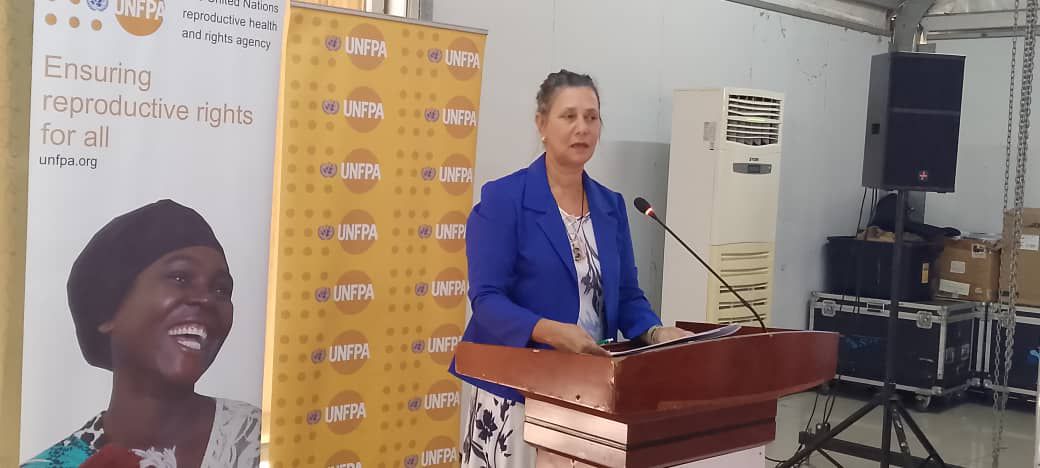
    United Nations Population Fund (UNFPA) resident representative, Nelida Rodrigues has emphasized on the importance of collaboration between government and non-governmental organizations in achieving it’s three transformative goals.

    The UNFPA three goals includes; eliminating preventable maternal deaths, eliminating unmet need for family planning, and eliminating gender-based violence and harmful practices.

    Rodrigues made the remarks on Tuesday, at the opening of the Government of Malawi/UNFPA 9th programme Annual Review and Planning meeting which will run until Wednesday.

    “As always, our success relies on our strong partnership with both government and non-governmental organizations. Only by continuing to work together we can achieve the UNFPA Transformative Results” said Rodrigues.

    On his part, Principal Secretary for the ministry of Finance and Economic Affairs Patrick Zimpita said the two-day workshop is important to assessing progress of the 2024 and planning activities for 2025.

    “This platform offers us an invaluable opportunity to reflect on our achievements, challenges and lessons from the past year and to chart a clear path for the year 2025” said Zimpita.

    However, Zimpita expressed government’s profound gratitude to UNFPA for it’s unwavering commitment and support in advancing government shared agenda.

    Zimpita further appealed to stakeholders to utilize the two days to align their strategies, refine their plans, and ensure that 2025 is a year of even greater impact.