Category: Health

  • PIH hunts for partners to support people with NCDs in lean season

    PIH hunts for partners to support people with NCDs in lean season

    Partners in Health (PIH), a non-profit global health organization that fights injustice by bringing the benefits of modern medical science to the most vulnerable communities around the world has announced that the hunt for more partners has commenced to support people living with Non-communicable Disease.

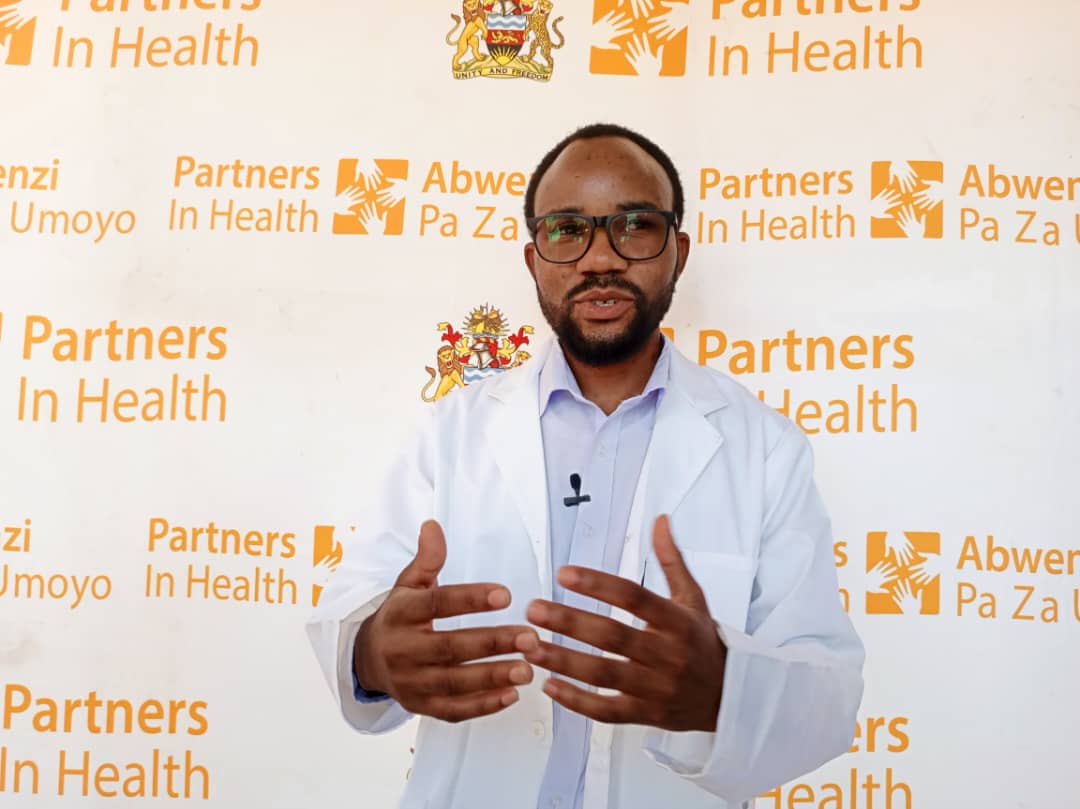
    PIH Medical Director, Dr. Christopher Banda made the remarks on Wednesday in Neno when PIH known locally as Abwenzi Pa Za Umoyo (APZU) paid a visit to people who are suffering from NCDs.

    Malawi Vulnerability Assessment Report shows that at least 5.7 Million people would be in need of food assistance between now and the next growing season as compared to 4.1 Million people who were in need of support in the previous season.

    The development puts people of all ages at risk of being food insecure and it is expected to be worse in people suffering from NCDs as some of them will not be able to search for food during the lean season.

    “We have done a lot in terms of food support, but we are primarily focussing on patients who are in dire need. But we are aware that we need to scale up this food support especially during the lean season.

    “Nevertheless, the resources [that we have] are not adequate, we are looking for more partners to help us actually reach out to many people,” Banda said.

    Partners in Health in 2023 launched a program called “Package of Essential Non-Communicable Diseases (PEN-Plus) in Malawi, a project which is expected to run until August 2027.

    In line with the aim of the project which is to improve the health of Malawians by enhancing the national capacity for implementation of chronic NCD prevention and management strategies, including diabetes and hypertension, per the National NCD Action Plan, PIH jumped in to improve the health of people especially who are suffering from NCDs .

    NCDs are the leading causes of death and disability worldwide, including in low- and middle-income countries (LMICs). According to the WHO, these common NCDs are responsible for almost 70% of all deaths globally, with 82% of these premature deaths happening in LMICs.

    The main purpose of PEN is to reduce morbidity and mortality due to NCDs by providing guidance on continuity of care for people living with NCD, treating incident life-threatening NCD conditions, preventing exacerbations of NCDs, and facilitating post-acute health system recovery.

    PIH Malawi is implementing the project in Malawi with a grant of about $2,885,712 from the World Diabetes Foundation (WDF). PEN services are provided in all districts in Malawi, but Full PEN-Plus services are currently available in only 3 districts Neno, Salima, and Karonga.

    Neno District Health Officer Haules Zaniku said despite the support that the district is receiving from PIH Malawi, there have been challenges in providing total care to the clients, like providing care to poverty-stricken clients who are failing to afford the basic needs.

    “This is a real challenge because you will find that some clients need a special diet but they are not able to afford this food,” he said.

    Betina Samuel, a wife to Richard Mabvuto, an elderly man who is suffering from stroke secondary to hypertension, said his husband cannot manage to do works to earn a living after the paralysis of his legs.

    “I’m the only one working for the family, but I’m a woman and I can’t manage to do it better than my husband before suffering from stroke,” he said.

    Common NCDs include cardiovascular disease, diabetes, chronic respiratory diseases, and cancer. In emergency contexts epilepsy and kidney disease are also common NCDs.

    Partners in Health has been tirelessly working on helping people with NCDs and started doing it in Neno 2012 and about 5000 clients have been reached out by the services of PIH.

    PIH works in collaboration with local Ministries of Health (MOH) to build local capacity, strengthen public healthcare systems, and deliver high-quality healthcare by addressing the root causes of illness training service providers, advancing research, and advocating for global policy change.

  • MAGLA supports NPL’s Mothers Fun Run with K10 million

    MAGLA supports NPL’s Mothers Fun Run with K10 million

    The Malawi Gaming and Lotteries Authority (MAGLA) has supported this year’s Nation Publication Limited (NPL) Mothers’ Fun Run Project for Chikwawa District Hospital with K10 million.

    Speaking during a symbolic cheque presentation in Blantyre on Wednesday, MAGLA Director General Rachael Mijiga said the Authority thought of donating the money to support the noble cause that NPL has been doing.

    “This is the 19th year for the mother’s fun run to be taking place and we always come in to support because they are doing a great job. Mothers are the bedrock of society, if we have strong and healthy mothers, they will have strong babies that will turn out to be future productive citizens of this country.”

    “So, we all need to come in and hold hands as the government cannot do it alone, it cannot be everywhere and that is why we need to chip in,” said Mijiga.

    In his remarks NPL Weekend Nation Editor Steven Nhlane hailed MAGLA for the donation which he said will go a long way in boosting the Mothers Fun Run cause of reducing maternal and neonatal deaths.

    “Our target is to raise K300 Million and so far, we have covered about half of that amount. The program this year will be implemented in Chikwawa District which has 12 health facilities, said Nhlane.

  • PIL waters Linyangwa Health Centre in Kasungu

    PIL waters Linyangwa Health Centre in Kasungu

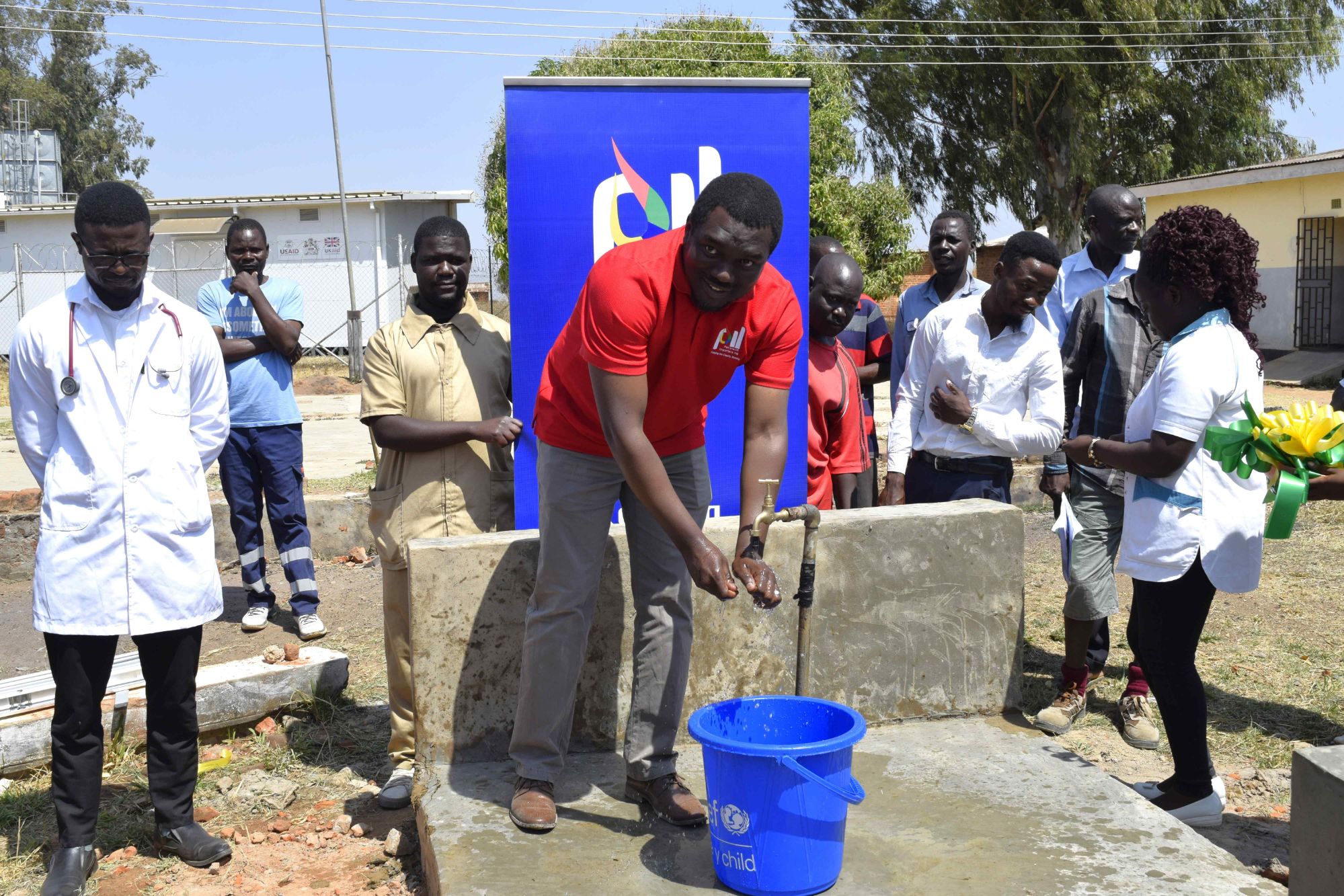
    Petroleum Importers Limited (PIL), a consortium of four oil marketing companies in Malawi, has donated a solar-powered water pump worth K7.5 million to Linyangwa Health Centre in Kasungu to help ease water challenges at the facility.

    The health centre, located in the area of Senior Chief Lukwa, has had no potable water for the past three years a situation that caused distress especially in the maternity wing thereby forcing guardians and medical personnel to bank on the secondary school close to the facility.

    Speaking after commissioning the new pump mounted at the health centre’s maternity wing, PIL’s Finance Manager, Kambani Mchiela said they felt the need to donate the pump considering that water is life and hospitals cannot do well without clean and safe water.

    “Access to clean water is not just a basic necessity; it is a fundamental human right. Water is essential for health, hygiene, and life itself. However, we know that access to safe and reliable water sources is still a challenge in many parts of our country, particularly in rural areas.”

    “Health centres like this one play a critical role in the well-being of our people, and ensuring that they have the resources they need is crucial,” said Mchiela.

    Mchiela further said that the clean water will help promote hygiene, thereby empowering the members of the community to prevent M-Pox which was detected in some neighbouring countries.

    “By harnessing the power of the sun, this pump will provide a consistent supply of clean water, ensuring that the hospital can maintain high standards of hygiene and care without interruption. This, in turn, will improve patient outcomes and contribute to the overall health of the community within the Linyangwa Health Centre catchment area,” he explained.

    District Medical Officer for Kasungu, Dr Ulemu Zulu commended PIL for the water pump saying it will go a long way in ensuring smooth medical procedures at the facility.

    “Most diseases that women suffer from after delivery are contacted during delivery. That is why it is so important to observe hygiene when conducting such procedures, and one key component in all that is water,” said Dr Zulu.

    Group Village Linyangwa also hailed PIL while pleading with his subjects to take care of the pump.

    “We have stayed for three years without clean water because some people stole our pump. PIL has brought us a bigger pump than the previous one, we thank them. The situation in the last three years was bad such that people depended on the school and you know how students behave. Sometimes they couldn’t allow the women to draw the water,” he said.

    Linyangwa health centre serves a population of 32, 000 people from Kasungu West, with expected deliveries standing at 1, 800 per year.

    PIL comprises Total Energies, Vivo Energies, Puma, and Petroda.

  • Chakwera inspects newly constructed Nsanje multi-drug resistance TB Ward

    Chakwera inspects newly constructed Nsanje multi-drug resistance TB Ward

    Reported by Robert Nayeja

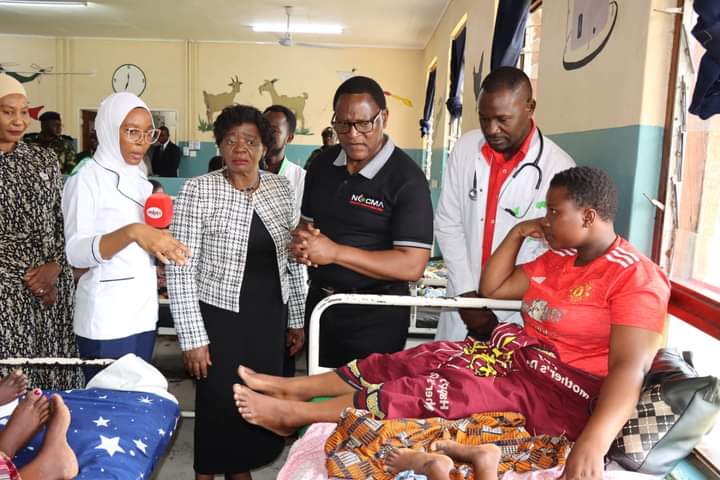
    President Lazarus Chakwera on Wednesday inspected the newly constructed multi-drug resistance Tuberculosis (TB) Ward at Nsanje District Hospital.

    The ward is expected to provide health services to those that have developed resistance to TB drugs.
    Construction of the TB Ward has cost K240 million.

    During the inspection, Chakwera and the First Lady, Madame Monica Chakwera also cheered patients at the hospital.


  • Cholera outbreak hits Chitipa

    Cholera outbreak hits Chitipa

    Reported By Aliko Munde:

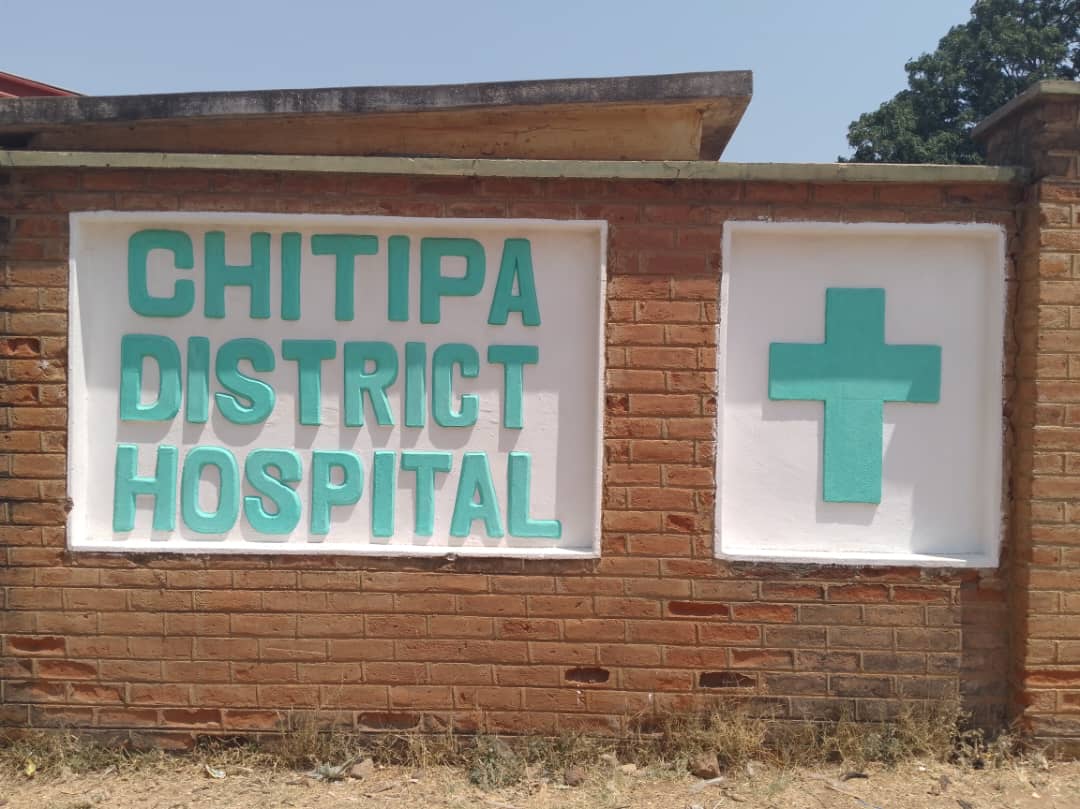
    Chitipa District Hospital (DHO) has confirmed one case of cholera and nine suspected cases at Kapenda Health Centre in Senior Chief Mwabulambya in Chitipa District.

    In an interview, Chitipa District Hospital Spokesperson, Masida Nyirongo, confirmed the cholera outbreak.

    Nyirongo said that patients at the health centre have been presenting with signs and symptoms of cholera and are all receiving treatment at the health facility.

    “Cases have been increasing and we have ten cases as of today (Tuesday). Results of one suspected case from the laboratory indicate positive. So once one is cholera positive automatically it is an outbreak,” Nyirongo said.

    He said that Chitipa DHO staff are on the ground at Kapenda to assess the situation.

    Senior Chief Mwabulambya expressed concern with the news, saying it also occurred same time last year.

    He further said that there is a need to engage all stakeholders to support the health workers to go on the ground and sensitise the masses on the importance of having pit latrines and practicing good hygiene.

    Last year Chitipa district registered 96 cholera cases and three deaths, which hit the northern part of Chitipa district.


  • Ministry of Health aims at enhancing cancer service coverage

    Ministry of Health aims at enhancing cancer service coverage

    The Ministry of Health has called upon concerted efforts to cover issues concerning cancer services in the country.

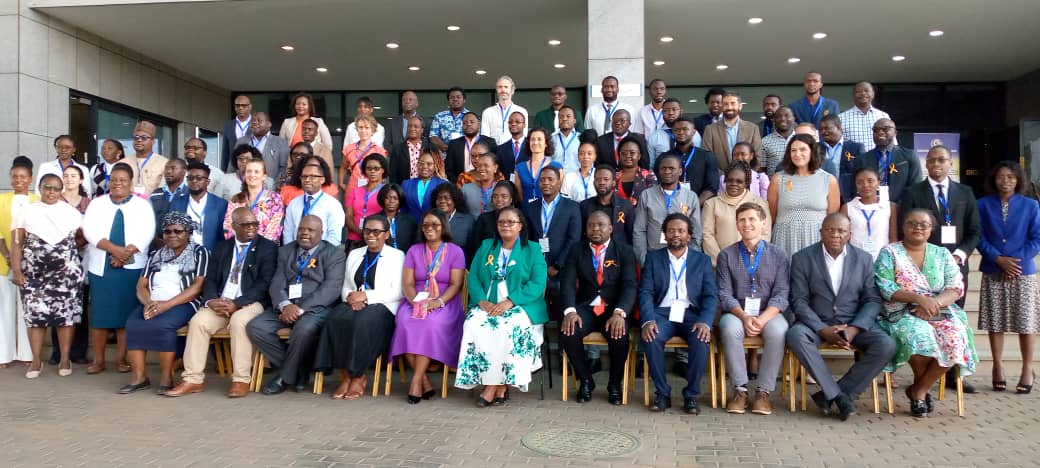
    Making the call on Wednesday at the launch of the 6th Cancer Symposium in Lilongwe, Chief of Health Services in the Ministry of Health Dr. Lilian Chunda said there is a need for more sensitization on issues concerning cancer in rural communities.

    The symposium is taking place alongside the Manual Book for Breast Cancer Examination launch.

    Dr Ngoma said currently cancer is contributing to 48% of non-communicable disease deaths in Malawi.

    “It is evident that currently, we are only focusing on urban areas rather than rural areas as far as cancer is concerned in the country. We believe that this symposium will also tackle this issue to get messages to do with cancer in the communities. Currently, some other cancers for example affect men and children that are not widely sensitized unlike cervical cancer in women which has been of late publicized but we need to do more”, she said.

    On behalf of the UNC Project, Co-Director of the Cancer Program for UNC Project Dr Tamiwe Tomoka said the organization has made strides in issues to do with cancer in the country.

    Dr Tomoka said as an organization they have begun to do with HIV-related cancers that were a problem then and are excited with the coming of radiotherapy in the country.

    “Strides have been made this far as we have collaborated with the Ministry of Health to establish a cancer laboratory to help in diagnosis, we have seen the Cancer Program in our organization grow as we can deal with other cancers and not only HIV-associated cancers. We are now fully in other cancers as well and our laboratory has helped a lot in diagnosing other cancers. Currently, we are also providing help at the National Cancer Center”, said Dr Tomoka.

    The symposium which was launched on Wednesday and will run until Thursday has invited other health stakeholders in the country and beyond.


  • Radiotherapy services, a game changer in health services delivery

    Radiotherapy services, a game changer in health services delivery

    Reported By Andrew Mkonda:

    Head of Infrastructure Development in the Ministry of Health Dr. Sanderson Kuyeri has described the K10 billion magnificent radiotherapy centre at National Cancer Center (NCC) Kamuzu Central Hospital in Lilongwe, as a game changer in health service delivery in the country.

    Kuyeri made the remarks Thursday in Lilongwe during a media tour of the facility which he said will be in operational by the second week of October 2024.

    “This is a game charger. As you may be aware that the country has been sending patients to South Africa, Tanzania, India and Kenya for treatment and government has been spending over $2 million (about K3.4 billion) per year, which is huge amount of money. But now those services will be done right here,” he said.

    Kuyeri said once fully functional, the facility will have four bunkers for radiotherapy and two bunkers for black therapy, which he said is a huge milestone in cancer treatment in the country.

    “It has been a long journey, but we are now happy that we have reached this far. As of now, the installation of modern equipment has already been done and we are expecting that next week, we will be commissioning the equipment,” he said.

    Kuyeri further said that once operational, 80 percent of the patients will be treated within the country except those with complex conditions.

    Malawi registers over 18,000 cases of cancer annually and presently, the country provides oncology, including chemotherapy and palliative care services for cancer clients.

    The National Cancer Center is being constructed with the OPEC Fund for International Development and Malawi Government funding.


  • Malawi engages WHO, Africa CDC for Mpox vaccines

    Malawi engages WHO, Africa CDC for Mpox vaccines

    The Malawi Government has engaged the World Health Organization and Africa Centre for Disease Control (Africa CDC) requesting Mpox vaccines to protect citizens from the disease.

    On Aug 13, 2024, the Africa Centres for Disease Control and Prevention (Africa CDC) declared mpox a public health emergency of continental security (PHECS) in Africa, acting under its mandate to address significant public health threats.

    Malawi has registered two suspected Mpox cases in Blantyre, a 31-year-old man and a 17-year-old boy who are being closely monitored.

    Government through the Ministry of Health says efforts are being made to ensure that people are protected from the emergency international concern.

    Minister of Health, Khumbize Kandodo Chiponda visited the Queens Central Hospital in Blantyre to monitor the progress of the work on Antimicrobial Resistance at the Microbiology lab.

    “We have already engaged WHO and Africa Center for Disease Control (Africa CDC) to ensure that Malawi receives the Mpox vaccine so that people are protected from the disease.

    “These suspected cases are under control, and we are working with the Malawi Liverpool Wellcome Programme to ensure we test the samples,” she said.

    She also urged the public to practice good hygiene to prevent the spread of Mpox.

    Meanwhile, QECH Director Dr Kelvin Monad said the facility expects results for the first suspected case, today and once the results are out, they will be shared with the ministry and they will be able to communicate with the general public.

    MOH has assembled health experts to develop Malawi-specific guidelines for managing MPOX.

    The decision to declare mpox a public health emergency of continental security (PHECS) in Africa was driven by the worsening mpox situation on the continent: since 2022, 40 874 cases and 1512 deaths have been reported across 15 AU member states.

    In 2024 alone, 17 541 cases and 517 deaths have been reported from 13 AU member states.

    These figures represent a 160% and 19% increase in the number of cases and deaths, respectively, in 2024 compared with the same period in 2023. A 79% increase in the number of cases was observed in 2023 compared with 2022.

    The Democratic Republic of the Congo (DRC) accounts for 96% of all cases and 97% of all deaths reported in 2024. Investigations in the DRC suggest that heterosexual transmission, especially among female sex workers (9%), is driving the outbreak.

    “The high risk of severe infection among people living with HIV, considerations for asymptomatic infections, poor vaccination strategies, limited access to medical countermeasures, and low detection rates were other concerns,” reads the declaration.

    The outbreak is further complicated by a high case fatality rate of over 3·9%, particularly among children younger than 15 years, who account for 60% of cases.

    Cross-border movements, low public awareness, high vulnerability due to factors such as HIV and malnutrition, limited understanding of mpox transmission, and insufficient response capacities, including vaccine shortages, pose significant challenges to containment.

    The risk of mpox spreading to neighbouring countries and globally is high.

  • Mpox alert in Malawi: Authorities confirm two suspected cases in Blantyre

    Mpox alert in Malawi: Authorities confirm two suspected cases in Blantyre

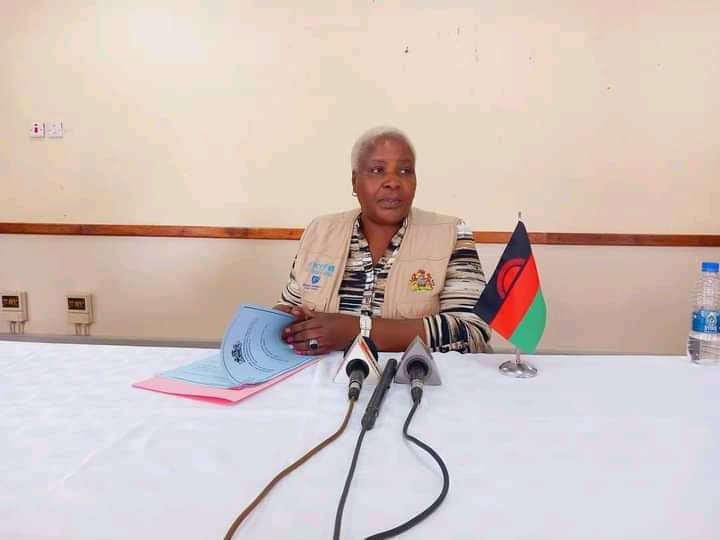
    Malawi’s Health Minister, Khumbize Kandodo Chiponda, has announced two suspected cases of Mpox in the country.

    The cases involve a 31-year-old man, currently isolated at Queen Elizabeth Central Hospital, and a 17-year-old boy being managed at home.

    Both cases are located in Blantyre, and neither individual has a history of international travel.

    Dr. Kelvin Mponda, Director at Queen Elizabeth Central Hospital, said the test results for the first patient are expected today.

    Meanwhile, health officials have urged the public to remain calm and adhere to health guidelines, such as maintaining personal and public hygiene, to prevent the spread of the disease.

    Health experts are reportedly meeting in Lilongwe to establish preventive measures against Mpox, a viral illness caused by the monkeypox virus (MPXV).

    This virus, part of the Orthopoxvirus genus, is related to the viruses causing smallpox and cowpox. Mpox is characterized by symptoms like a painful rash, enlarged lymph nodes, and fever. Although most individuals recover fully, the disease can cause severe illness in some cases.

    Mpox can be transmitted through close contact with infected individuals, animals, or contaminated materials.

    To prevent the spread, it is crucial for those infected to inform close contacts, stay at home until fully recovered, cover any lesions, and wear a mask around others. Vaccination can also help prevent infection in people at risk.

    The monkeypox virus was first discovered in 1958 in Denmark, and the first human case was reported in the Democratic Republic of the Congo in 1970.

    Mpox has since re-emerged, particularly following the global eradication of smallpox. A significant global outbreak of the disease occurred between 2022 and 2023, caused by a strain known as clade IIb.

    Health officials are closely monitoring the situation in Malawi as they work to prevent a potential outbreak.

  • AOA Alliance refurbishes trauma and orthopaedic surgery departments at Queens

    AOA Alliance refurbishes trauma and orthopaedic surgery departments at Queens

    There were jubilations at Queen Elizabeth Central Hospital on Tuesday when AOA Alliance and partners handed over the refurbished Trauma and Orthopedic Surgery department at the referral hospital.

    AOA Alliance director Dr Claude Martin said the have decided to intervene as one way of addressing some of the challenges facing the the hospital.

    According to Dr Martin, his organisation has been involved in several charitable projects mainly education but decided to extend it’s corporate responsibility to health after being approached by the hospital’s administration.

    “We are so impressed with the work done by the local contractor of renovating the old orthopaedic department and the additional of the extra operational ward which will ease the work of burden of doctors at the facility,” he saidA

    Dr Martin further said that his organisation has spent US$125 (about K216 million) for the project which he said has been done within three months a agreed.

    On his part Queen Elizabeth Central Hospital Director Dr Kelvin Mponda described the project as a timely gesture which will help the hospital to treat more patients than it was before.

    “The opening of the additional theatre is a milestone in ensuring that we operate more patients within a day easing the pressure we have had in the past,” said  Dr Mponda.

    He also hailed his staff for their dedication to their work despite minimum resources at the referral hospital.

    Dr Mponda also warned the staff against theft of hospital materials which he said is rampant at the facility.

    “Currently we have recommended the firing of some staff who were caught of stealing hospital materials to put a stop to would be offenders,” he said.

    Previously, the department of Trauma and Orthopedic Surgery used to operate 30 to 40 patients in a month but the figure is expected to increase following the refurbishment of the introduction of the new ward.