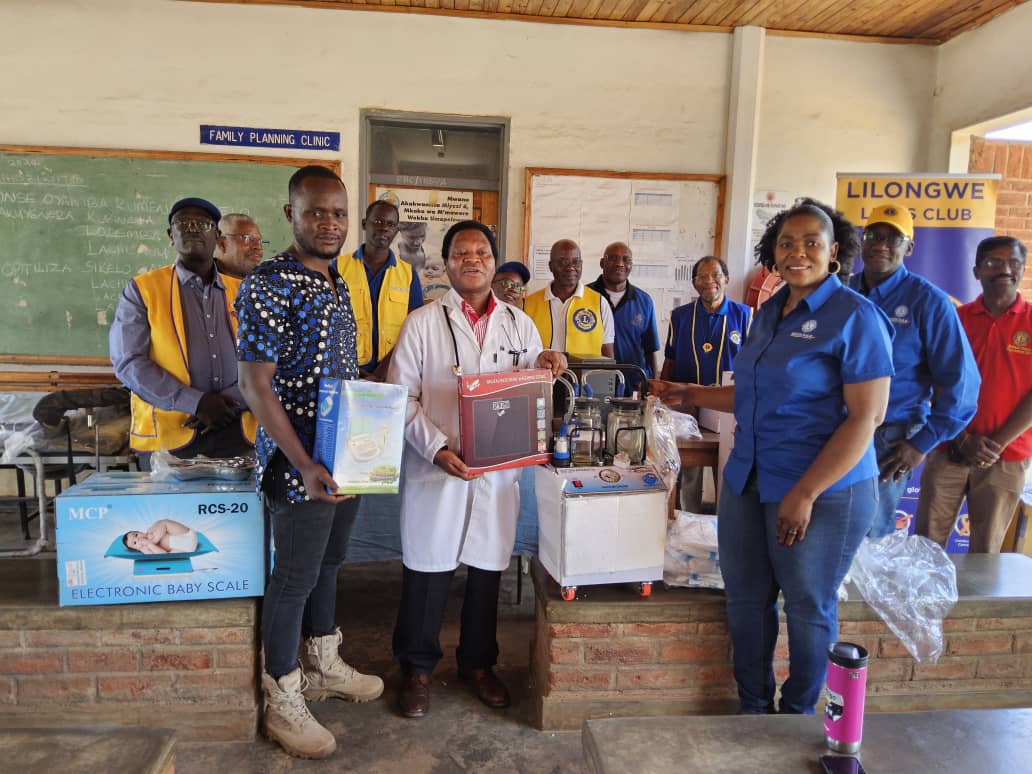
In a bid to improve quality health care in the country, Paramount Holdings Limited (PHL) has made a donation of medical equipment to Lilongwe Lions Club for Area 18, Health Centre.
Area 18 Health Centre provides medical care to over 250, 000 people from surrounding areas.
During the handover ceremony at the facility, Lilongwe Lions Club President Martha Moyo applauded PHL for timely support towards the good course.
“On behalf of the Lilongwe Lions Club and Area 18 hospital, I would like to express our heartfelt gratitude to Paramount Holdings for your generous donation of new equipment that will greatly improve the quality of care provided to over 250,000 patients served at the hospital. The invaluable support we have received from Paramount Holdings today is a true testament to your commitment to the well-being of our community. This donation will not only enhance hospital capabilities but also help to save more lives and make a significant difference in the lives of those who come through the hospital doors seeking medical help”, said Moyo.
In his remarks, PHL Executive Director Prakash Virji Ghedia said he expects that the medical equipment will improve quality health care at the facility.
“It is any institution’s dream in the corporate world to remember those in need including our public health facilities that are in dire need of support for better and quality services. The donation was small support towards the hospital that is helping many of our customers and workers out there”, he said.
With the new equipment, the hospital can now better diagnose illnesses, treat injuries, and ensure that patients receive the best possible care available.
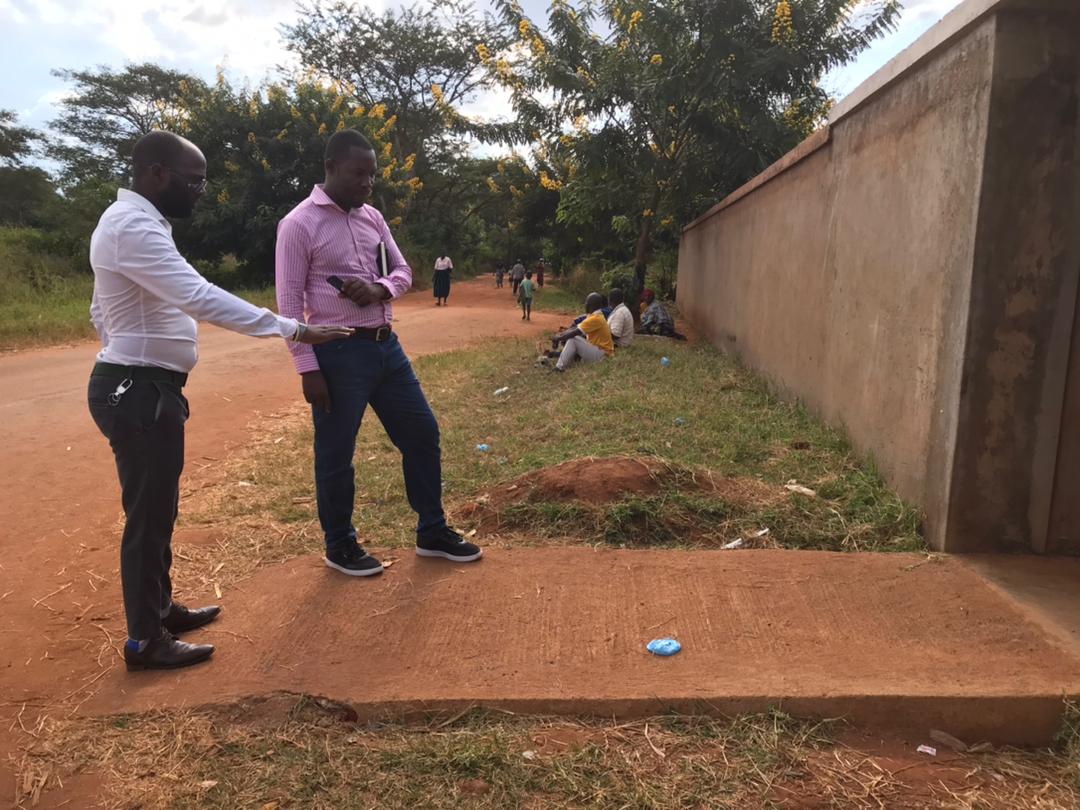
Health authorities at Chitedze Health Centre in Lilongwe have stated that the ramps built at health facilities by Global Health Corps (GHC) will help alleviate mobility issues for patients and individuals with disabilities.
Peter Kandulu, a Medical Assistant at Chitedze Health Centre, emphasized that the ramps will be especially beneficial for patients with disabilities and those who are unable to walk independently due to accidents, chronic diseases, or severe illness.
Kandulu expressed gratitude towards Global Health Corps for constructing the ramps, as they now enable people with mobility challenges to access the services provided across the health facility.
He mentioned that even though building ramps may appear minor, it is vital as it ensures individuals with mobility issues can access services at the facility without concerns.
Simon Simkoko Senior, the country manager of Global Health Corps, stated that as they strive to promote equal access to health services, they evaluated hospitals to see how their alumni program can support people with disabilities.
“We visited Chitedze Health Centre and noted that there were no pathways for people with disabilities to access services or for personnel to assist people with mobility challenges more especially people with disabled and women when they want to access the maternity wing. That’s why we started this project to construct ramps,” said Simkoko.
Commenting on the development, Sarah Banda, a patient from Mtandire, expressed her gratitude for the new ramps, stating that they have significantly improved movement within the facility.
“Previously, navigating the facility was overwhelming and frustrating. Now, with these ramps, accessing care is much easier without unnecessary challenges. I encourage GHC to replicate this initiative in other health clinics, promoting equal access for individuals with disabilities.”
GHC has invested K3 million in building ramps at the facility, with Sinkoko mentioning plans to expand the project to other health facilities in Lilongwe.
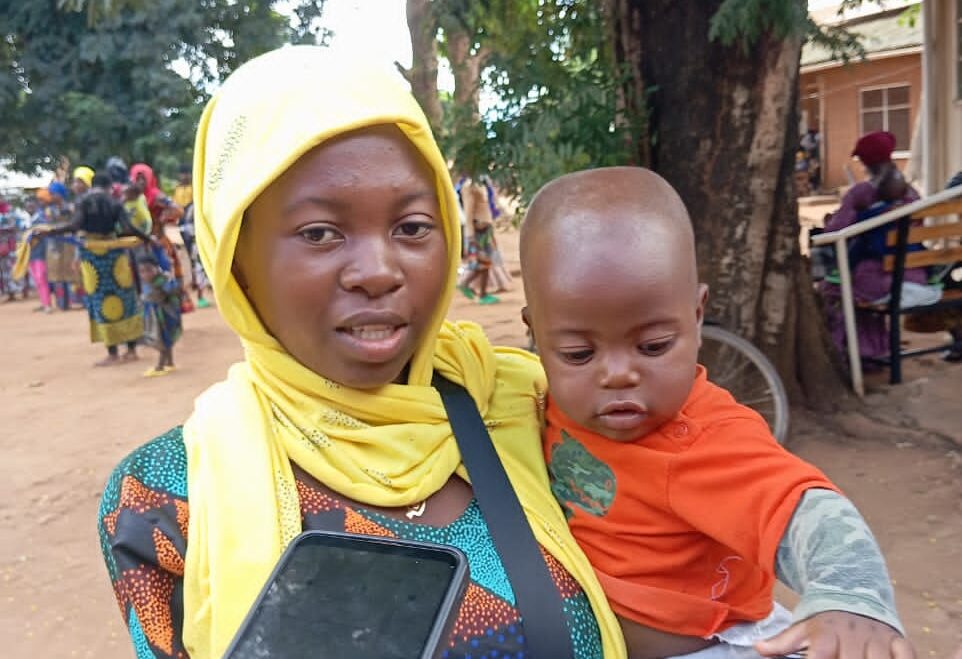
In the early light of dawn, Agnes Kefasi, a determined 20-year-old resident hailing from the tranquil Mkwate Village nestled within Traditional Authority (TA) Nyambi, Machinga District, strides purposefully towards the Nyambi Health Center. Her mission? To ensure her beloved child receives the invaluable shield of immunization.
As the sun ascends, illuminating the verdant landscape, Kefasi stands resolute in her quest to secure the second dose of the Malaria Vaccine for her cherished offspring.
At Nyambi Health Center, a bastion of health and hope, the administration of vaccinations unfolds with the dawn’s first rays, a ritual of protection against the unseen terrors that lurk in the shadows.
Clasping her nine-month-old bundle of joy, Kefasi articulates her unwavering resolve, “I resolved to shield my son from the scourge of malaria, a merciless assailant that claims the lives of countless infants each passing day.”
In the annals of Malawi’s healthcare narrative, Minister of Health Khumbize Kandodo Chiponda’s voice resonates, echoing the staggering toll exacted by malaria.
In 2023, Malawi stood witness to a harrowing reality, with 6.4 million reported cases of malaria and a grim tally of 1,670 precious lives lost—an alarming escalation from the preceding year’s figures.
Yet, amidst this sombre backdrop, a glimmer of hope emerges—a testament to Malawi’s indomitable spirit and unwavering commitment to progress.
At the vanguard of this crusade stands the groundbreaking RTS,S malaria vaccine, a beacon of promise amidst the prevailing darkness. In a momentous stride, Malawi spearheaded the global initiative, becoming the inaugural nation to unveil the vaccine’s pilot implementation.
Buoyed by the World Health Organization’s resounding endorsement in October 2021, Malawi charted a course towards a brighter, malaria-free future.
Emanating from Nyambi Health Center, Senior Health Surveillance Assistant (HSA) Square Kambona’s testimony resounds—a testament to the burgeoning tide of community engagement and empowerment.
With over 4,000 individuals receiving the Malaria vaccine in 2019 alone, the center emerges as a bastion of hope, a sanctuary where the flames of resilience burn bright amidst adversity.
A child gets vaccinated at Nyambi Health Center
Across the undulating landscapes of Machinga and Ntcheu districts, the clarion call for solidarity finds resonance. Senior HSA Shadreck Mapulanga’s narrative weaves a tapestry of collective endeavour—a symphony of collaboration among healthcare professionals, volunteers, and faith leaders. Together, they stand as guardians of wellness, staunch sentinels in the face of adversity.
As Malawi commemorates World Malaria Day on April 25, Minister Chiponda’s voice resounds with an unyielding resolve—an audacious vision of a malaria-free Malawi by 2030. Yet, this lofty ambition hinges upon a bedrock of collaboration—between governments, development partners, and communities united in purpose.
Dr. Michael Kayange, WHO’s National Professional Officer for Malaria, articulates a clarion call to action—an impassioned plea for unwavering adherence to WHO-endorsed interventions. From vaccinations to the sanctity of mosquito nets, every action is a vital bulwark in the fight against malaria’s insidious grip.
In the corridors of advocacy, George Jobe, Executive Director of the Malawi Health Equity Network (MHEN), stands as a harbinger of enlightenment—a beacon of awareness amidst the shadows of ignorance.
With every proclamation, he kindles the flames of knowledge, illuminating the path towards early treatment and preventive measures.
As the sun sets on the horizon, casting its golden embrace upon the Malawian landscape, UNICEF Chief of Social Policy, Mathews Tasker, heralds a vision of triumph amidst adversity. With every vaccine procured and delivered, UNICEF stands as a steadfast ally—a guardian angel watching over Malawi’s most vulnerable.
In the grand tapestry of Malawi’s healthcare odyssey, each chapter tells a tale of resilience, unity, and unwavering determination.
Through vaccinations and advocacy, awareness and action, Malawi stands poised on the precipice of a new dawn—a future where malaria’s shadow wanes, and the light of hope shines bright.
The malaria vaccine programme is a collaboration of the Ministry of Health, PATH, UNICEF and other partners; and funded by Gavi and the Global Fund.
There is growing demand for famly planning services and the population of women of reproductive age has increased by 20 percent globally since 2012, yet donor government financing for family planning programs is nosediving, a new global report has revealed.
New figures released by FP2030 in its annual measurement report 2023, shows that the number of women using modern contraception has grown by 92 million since 2012, against dwindling resources to meet the growing demand.
“An estimated 377 million women were using a modern method of contraception in 2023 in 85 countries against a total number of over 1 billion women in those countries. Their use of modern contraception averted 141 million unintended pregnancies, 30 million unsafe abortions, and 141,000 maternal deaths in 2023 alone,” reads the report.
The new report released Wednesday says while there is a growing demand for family planning services across the globe, while low and middle-income countries are severely impacted by a reduced amount of resources.
While there has been significant achievements in family planning across the globe since 2012, the decline in funding should be a warning sign ahead that continued progress over the next several years is far from guaranteed.
“ Investing in family planning remains one of the best buys in global health. I want our world leaders to take pause and realize the potential we have in front of us if we meet this foundational human right of universal access to modern contraception. With the deadline for the Sustainable Development Goals around the corner, this is a time to be energized, and to have enough optimism to meet this moment,” says Samukeliso Dube, Executive Director, FP2030.
FP2030 is a global partnership dedicated to promoting and expanding access to family planning services.
Comprising governments, civil society organizations, private sector partners, and development agencies, FP2030 works collaboratively to advance family planning as a fundamental human right and an essential component of sustainable development.
Donor government funding stood at US$1.35 billion in 2022, representing a decline of US$129 million compared to 2021, again down almost 15 percent from 2019.
Geopolitical conflicts in Ukraine and the Middle East are diverting development assistance and challenging global cooperation. Also, the global movement to deny sexual and reproductive rights, particularly to adolescents and lesbian, gay, bisexual, transgender and intersex (LGBTI) people, has been bolstered by the US Supreme Court’s overturning of the right to abortion.
“The Report comes at a critical time in our movement. We’re at the intersection of several crises: Globally, 800 women are dying every day in childbirth. 218 million women in low- and middle- income countries have an unmet need for modern contraception — meaning they want to avoid a pregnancy but are not using a modern method,” Dube says.
The stagnation in funding is especially problematic when it comes to donor-dependent methods like contraceptive implants, which have proven hugely popular in Africa. But they remain expensive for most users. They must be subsidized by the international community, if progress in family planning programs is to be sustained.
Implants are an important addition to the method mix.
Consequences of low funding for family planning programs can be dire. The world could experience 141 million unintended pregnancies, 30 million unsafe abortions, and 141,000 maternal deaths in one year alone.
“Fewer resources of family planning push women to unintended pregnancies, child births, or unsafe abortion, leading to health consequences and push women, families, communities and countries into ill-health and poverty.” reads the report.
FP2030 has implored donor governments, international donors and domestic governments to put aside, as a matter of urgency, huge and increased investments on family planning at global, regional, national and sub-national levels, with a particular focus on low-and-middle income countries.
“The global community should aim at achieving a collectively higher level of expenditure than is currently the case.We need to maintain implant access where it already exists and expand access to regions and demographic groups that have been left behind.” the report says.
Funding from six donor governments, namely Australia, Canada, Denmark, Germany, Sweden, and the United Kingdom (UK), decreased in 2022. Some of these declines were largely due to budgetary decisions associated with the humanitarian response to the conflict in Ukraine.
Two countries, the Netherlands and Norway, increased funding while the US remained flat. However, the US continued to be the largest donor to family planning in 2022, accounting for 43 percent (US$582.9 million) of total funding from governments, followed by The Netherlands (US$217.4 million, the UK (US$174.7 million, Sweden (US$121.3 million) and Canada (US$88.3 million).
Nearly 96 percent of family planning funding is provided bilaterally. The remaining four percent is in the form of multilateral contributions from core resources of the.United Nations Population Fund (UNFPA).
Domestic governments spent an estimated US$1.68 billion on family planning in 2022. Domestic expenditures are defined as all government expenditures that support family planning, including commodity purchases, demand creation campaigns, investments in training and research, and service delivery.
“Our focus this year is postpartum family planning, a topic chosen specifically by the regional hubs. In 2023, there were more than 95 million births in low and lower-middle income countries, and 59 million births were unintended.”
Additionally, more than 80 percent of births to the youngest mothers, under the age of 20, occur in these countries.
Postpartum family planning is a high impact practice with demonstrated ability to improve maternal and newborn health outcomes and increase the uptake of contraception. Women in the first postpartum weeks have little risk of pregnancy, but this is a critical window for counseling on family planning.
The report is a measurement and compilation of family planning data across 85 countries: all 83 low and lower-middle income countries and presents more insights into contraceptive use, adolescent and youth sexual and reproductive health, and finance trends than any previous FP2030 Measurement Report.
According to UNFPA, for every dollar invested in family planning, benefits to families and societies are estimated to be at least $8.78, altogether generating $660 billion in economic benefits by 2050.
The Guttmacher Institute has found that every additional dollar spent investing in family planning would save $3 in reproductive, maternal, and newborn healthcare costs, thus contributing to global health, gender equality and sustainable development.
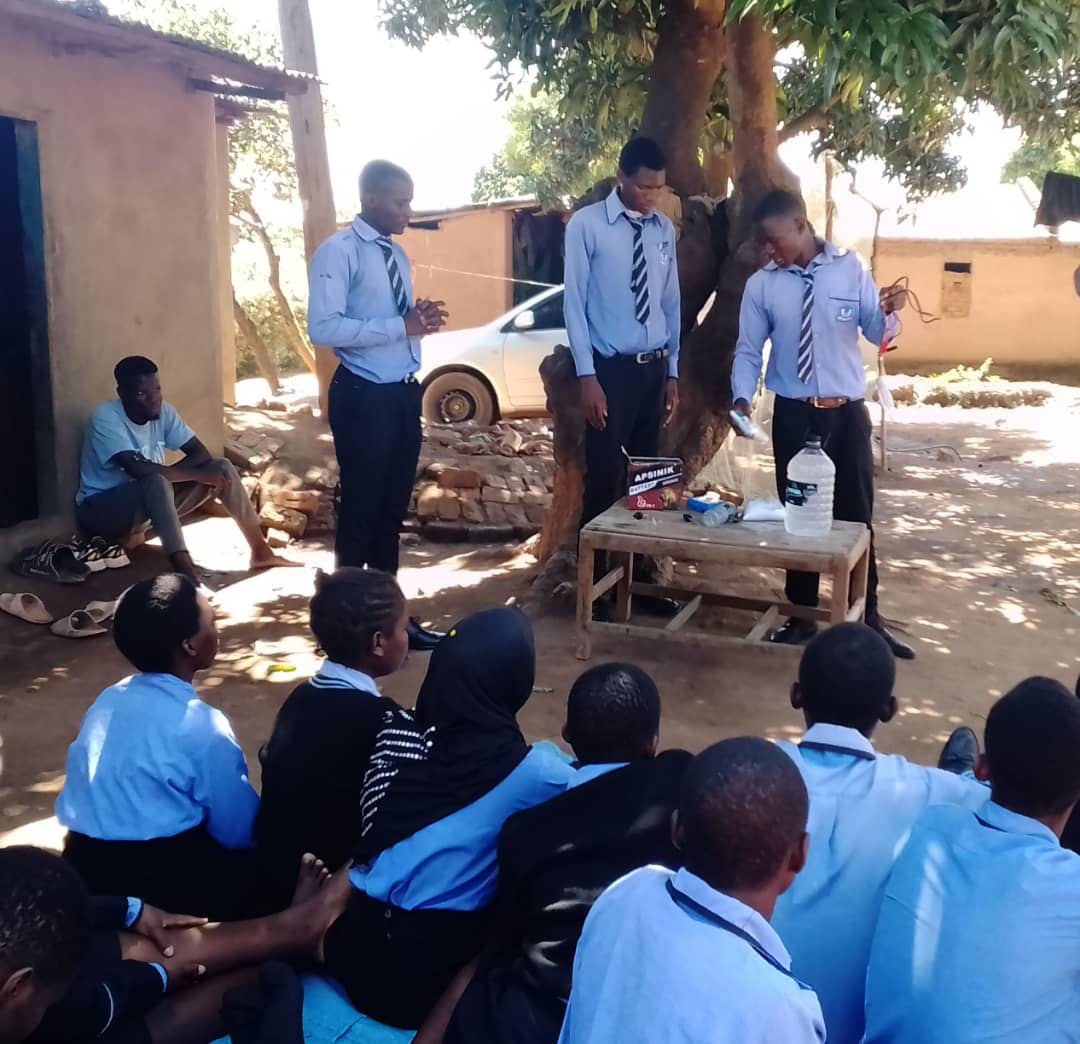
Sanitation is expected to improve in the areas of Group Village Headman Hilario in Area 44, Lilongwe, thanks to students from Magodi Christian Private Secondary School, who are producing and distributing free chlorine in the area.
The owner of the school, Bishop William Mandhlopa, says the students were trained by their Mitundu based partners Abundant Life Centre on how to produce chlorine using locally available resources.
Mandhlopa believes the initiative will go a long way in reducing the risk of waterborne diseases like cholera and diarrhea, in the area and other surrounding townships.
“This is very important because it will create a healthy community. Students will be able to attend classes regularly because the risk of contracting waterborne diseases will be reduced” said Mandhlopa
A Science teacher at Magodi Christian Private Secondary School, Rodgers Banda who leads chlorine production trainings for students described the process as very simple and has called upon the communities to utilize the opportunity of having chlorine producers around them.
“It’s a very simple process, you just need to place an object called Chlorine Production Unit (CPU) into a bottle consisting of 5 liters of water and 16 tea spoons of table salt, then after 24 minutes iodine will evaporate and only chlorine will remain in the bottle”
“With current financial challenges, I would like to encourage the communities here to make use of this opportunity by learning how to produce chlorine or invite us, we are always available to help control the spread of waterborne diseases for free” said Banda
On his part, Group Village Headman Hilario has hailed the school for the initiative, saying it help to contain the Cholera problems, after admitting that they have been a problem in the area.
With six years towards the realization of the Global Plan to End tuberculosis (TB) by 2030, misconceptions and stigma remain obstacles for Malawi to achieve the desired goal.
As Malawi joins the rest of the world in commemorating the World TB Day, secretary for health Dr. Samson Mndolo said there are a lot of misconceptions and stigma associated with TB due to lack of awareness about the disease which threatens to derail efforts to eradicate the menace.
The country will do the commemoration together with World Leprosy commemoration, which is commemorated in the fourth week of January every year.
“Every year, therefore, the world commemorates the World TB Day to build public awareness about tuberculosis as well as to recommit to the fight against the disease that has claimed a lot of lives since its discovery in 1882.
“With only 6 years to go before the year 2030, this year is critical as we have to really make huge steps towards ending TB. The government is committed to meeting the expectations of its people by implementing the “World Health Organization (WHO) End TB Strategy” which calls for a significant reduction in tuberculosis deaths, new tuberculosis cases as well as that no affected families face catastrophic costs due to tuberculosis.
“The country is investing heavily in the field of human resource for health, diagnostics, infrastructure, drugs, and supplies as well as developing and strengthening sustainable systems to support the fight against TB.
“We, therefore, want to make an appeal to all leaders across the country to reach out to our communities to engage them in the fight against TB; to raise awareness about the signs and symptoms of TB; to innovate and reduce the barriers communities face to access TB and other health services. The public has a critical role to play by seeking medical care early when they experience any of the following signs and symptoms: cough, fever, weight loss (or failure to gain weight in children), and night sweats.
“Through early identification and treatment of TB patients, we can prevent further spread of TB and accelerate progress towards achievement of the national and global aspirations of ending TB,” reads part of the statement released on Tuesday
The theme for the World TB Day commemoration this year is: “Yes We Can End TB! You can make history; End TB” while for Leprosy is “Beat Leprosy”.
Mndolo said the TB theme calls for all stakeholders to take part in the fight against the epidemic.
“It calls for everyone – political leaders, civil society, donors, researchers, TB communities, the private sector, and most importantly, each one of us – to take this message one step further by saying what each of us is doing to help ‘End TB’ and challenging those in power to do the same.
“The leprosy theme encapsulates the dual objectives of eradicating stigma associated with leprosy and to promote the dignity of people affected by the scourge,” he said
TB remains a global public health threat, killing more people globally than any other infectious disease. Each day, nearly 4500 people lose their lives to TB and close to 30 000 people fall ill with this preventable and curable disease.
According to the Malawi Tuberculosis prevalence survey conducted in 2014, Malawi has a prevalence of 334 per 100,000 populations. The survey also revealed that more men are affected than women and that the burden is higher in urban than in rural areas.
The national event to commemorate the World TB Day and World Leprosy Day this year will be held at Khaya Primary School Ground in Mulanje District on Sunday, March 24.
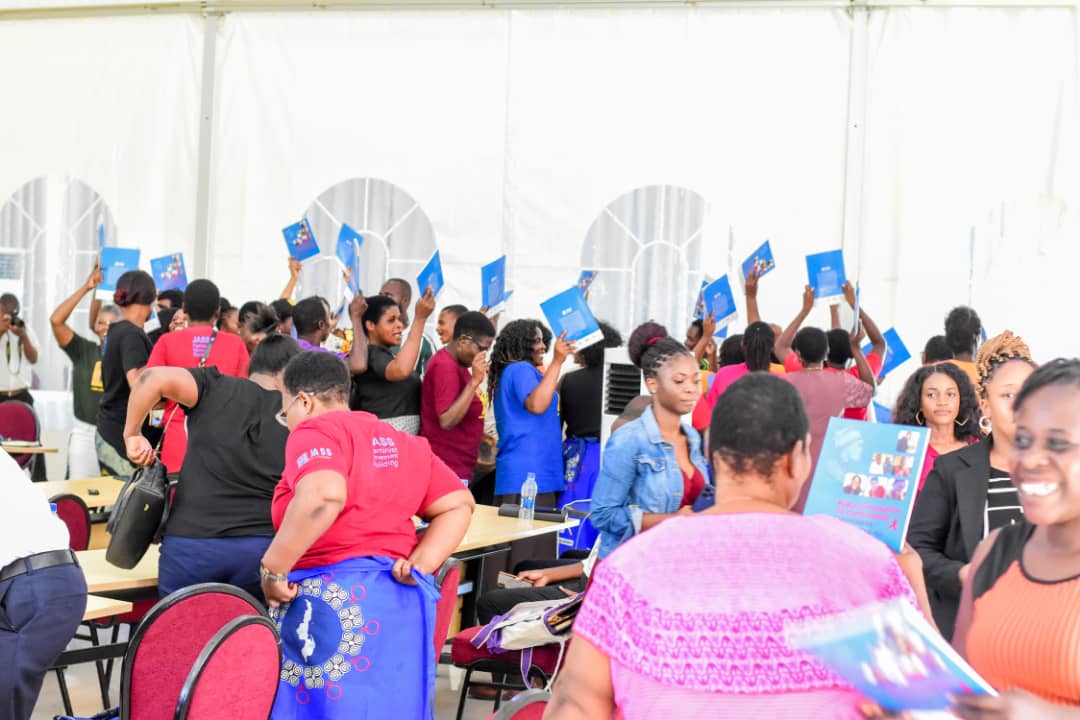
Just Associates Southern Africa (JASS SNA), a global feminist movement building and strengthening organisation, on Thursday launched a Chichewa HIV treatment literacy manual.
The manual, developed in collaboration with Our Bodies Our lives (OBOL) movement, Coalition of Women living with HIV and Aids (COWLA) and Malawi Network of religious leaders living or personally affected by HIV and Aids (MANERELA+), aims at meeting needs of women affected by HIV and AIDS, enabling them to make informed decisions about their health and assert their rights in treatment options.
Speaking during the launch Regional Director for JASS Southern Africa, Phumi Mtetwa, said the launch of the manual is a milestone because issues related to HIV treatment can be communicated in a language spoken in Malawi.
“We launched the English manual in 2019 and we are launching the Chichewa manual now. Having heard women’s experiences at community level, we want to ensure that HIV treatment issues are communicated in a language they understand,” she said.
The manual covers three key thematic areas of treatment, adherence and understanding which medication does what to the body and what happens if you stop taking treatment, understanding the functions of the woman body and what it requires.
Mtetwa said HIV treatment does not guarantee a health and a well-being hence the manual also covers issues to do with gender and preparedness measures in relation to disaster such as cyclones and other weather effects.
She, therefore, said government should provide adequate health care to HIV positive women by ensuring that hospitals are functioning and have adequate medicines.
According to Malawi Country Coordinator for JASS, Sibongile Chibwe Singini, the manual addresses women’s holistic health needs, enabling them to advocate for comprehensive healthcare solutions.
“The manual, the first-ever grassroots feminist treatment literacy manual in Malawi, is a testament to the dedication and vision of OBOL women. It is designed to meet the diverse needs of women affected by HIV and AIDS, enabling them to make informed decisions about their health and assert their rights in navigating treatment options,” she said.
Northern Regional Coordinator for OBOL, Tiwonge Gondwe, said most women in rural communities are illiterate hence the manual will help them understand issues with HIV and AIDS and how they can take care of their bodies.
“Most health personnel don’t have enough time to explain everything about HIV treatment to women and most women are just taking Antiretroviral drugs and do not understand what these drugs do to their bodies hence high default rate.
“This manual contains all the information and this will greatly address all issues affecting women living with HIV and AIDS,” said Gondwe.
HIV Care and Treatment Officer in the Ministry of Health, Brown Chiwandira commended JASS SNA for initiatives aimed at supporting women living with HIV and AIDS in the country, saying the launch of the manual complements government’s efforts of providing information to the community.
In Malawi, JASS SNA has actively supported OBOL women’s movement for over 15 years advocating for accountability and improved healthcare for HIV positive individuals.
Persons with Epilepsy in Lilongwe have called on government to find a lasting solution on the shortage of their drugs in public hospitals saying the vice is putting their lives at stake.
Lilongwe District Coordinator for Persons with Epilepsy Aubrey Chiumya made the call at Chisapo secondary school on Tuesday during a sensitization campaign on the dangers of the disease and how students and teachers can treat students with Epilepsy in schools during seizures.
He said it is very pathetic to note that persons with Epilepsy are failing to access such essential drugs in public hospitals -A situation he has described it as a threat to their health.
Chiumya further lamented that many patients are failing to buy such drugs in private hospitals due to economic challenges.
“We are very concerned with the shortage of our drugs in public hospitals because this is putting our lives at stake . Therefore government should come in to relieve us from the challenge by providing enough drugs in public hospitals for easy access to the drugs because most of the Epilepsy patients can not afford buying the drugs at various pharmacies,” hesaid.
He also asked guardians and teachers in schools to safeguard lives of persons with Epilepsy and give them enough support.
According to Chiumya , laying the patient’s head on the ground and cushion the person’s head are among other treatment needed to the persons with Epilepsy during seizures.
commenting on the same, Lettice Moyo one of the persons with Epilepsy lamented they are lacking support from government and other stakeholders to come for their rescue.
Epilepsy is non -communicable disease which affects the brain and aperson suffering from the disease can go mad if not treated accordingly.
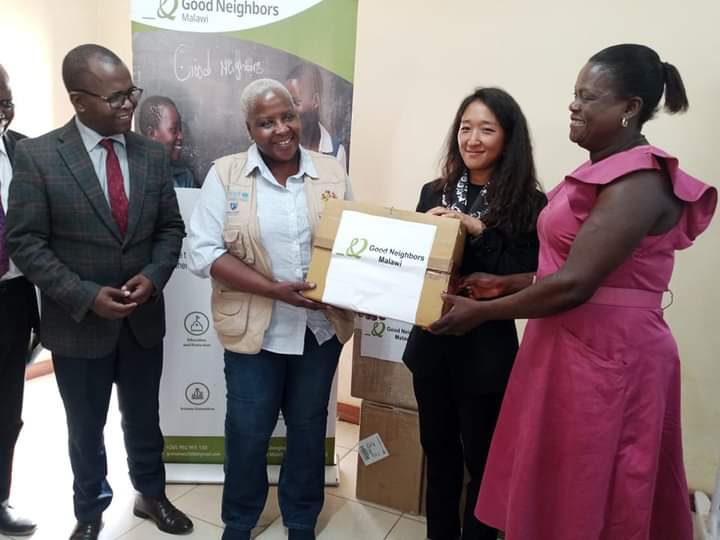
Good Neighbors Malawi has donated assorted drugs worth K1 billion to Kasungu District Health Office (DHO) to help fight health emergencies in the district.
Receiving the donation on Monday, Minister of Health Khumbize Chiponda said the medicines have come at the right time when the country is fighting several diseases on various fronts, including the recent outbreak of pink eye.
“This is a well thought donation. As government, we are very thankful to Good Neighbors because this is a big donation and the drugs are those that we commonly use to treat various ailments.
“We also applaud the NGO for giving us good drugs with long shelf-life, unlike some organisations who are fond of donating medicines that are close to expiring.
“Government is not a dumping site and we appeal to all other organisations to emulate what Good Neighbors Malawi has done,” Chiponda said.
She then warned health workers against selling the drugs, advising the workers to ensure that even the facilities located in far rural areas benefit from the consignment.
Good Neighbors Malawi Country Director Gyo Jin Joo said the donation is one of the many health sector interventions the NGO has been conducting since 2008 when it began its operations in the country.
She said: “Through our integrated approach to development, we have in the past provided medical equipment, supported the campaign against cholera and Covid 19 and built hospitals.
“We requested for a list of drugs that Malawi needs and this is what we have donated today. And as we make this donation, let me say that we will continue to do this so that we contribute significantly towards reducing diseases in the country.”
According to Jin Joo, the drugs were sourced from Good Neighbors USA for the Ministry of Health, specifically Kasungu District Hospital and other facilities within the district.
While thanking the NGO for the donation, Senior Chief Kaomba appealed to traditional leaders in the district to lead in promoting health and hygiene in their localities in order to prevent the many ailments that have affected the country.
Among others, the donated drugs include anti-fungals, anti-parasitic, antihypertensives, antacids and anti-infectives, such as amoxicillin, metronizadole, albendazole, captopril and others.
March 8 is International Women’s Day, which amplifies calls to invest in women and accelerate progress towards ending poverty and inequalities. We track how a local bank’s financing vehicle is greasing the wheels of women investors often rejected by financial institutions:
When Dr Thandie Mabedi decided to quit her job, she dreamed of owning a clinic where Malawians could access no-fee specialist services they obtain beyond the borders.
The medical doctor and her husband opened Uromed Clinic in Lilongwe in 2020 to fulfil her dream.
“My husband is also a doctor,” she says. “Together, we grew the dream of opening a clinic to offer general services and specialized services, but most banks we approached weren’t keen to support a start-up business and had tough conditions, including collateral.”
Mabedi was undeterred in search of capital for her dream project.
She is now the executive director of Uromed Clinic which offers more than just urology, a part of healthcare that deals with diseases of the male and female urinary tract such as kidneys, ureters, bladder and urethra. It also specializes in gynecology, which deals with the female reproductive system, including pregnancy-related procedures and complications.
“We also specialize in kidneys and our procedures don’t involve open surgery on prostates to avoid complications. We have laser treatment to treat kidney stones, which no other clinic treats in Malawi,” she narrates.
The clinic employs 44 workers, up from eight at the start.
Four years on, it is on course for expansion to a 30-bed facility following the acquisition of land just opposite the current five-bed clinic.
NBM Development Bank Limited, the development financing institution of the National Bank of Malawi (NBM) plc, supported the Mabedi’s dream project.
She recounts: “We made a presentation about our dream and we were stunned to hear NBM Development Bank Limited committing to support the building and buying of equipment.”
They paid back the loan within three years and qualified for another one from the Financial Inclusion and Entrepreneurship Scaling [FInEs] project through the NBM Development Bank. The World Bank funds FInEs, a five-year initiative by the Government of Malawi through the Reserve Bank of Malawi (RBM).
“We are using the money to build a bigger hospital which will have radiology, X-ray and advanced laboratory,” says Mabedi.
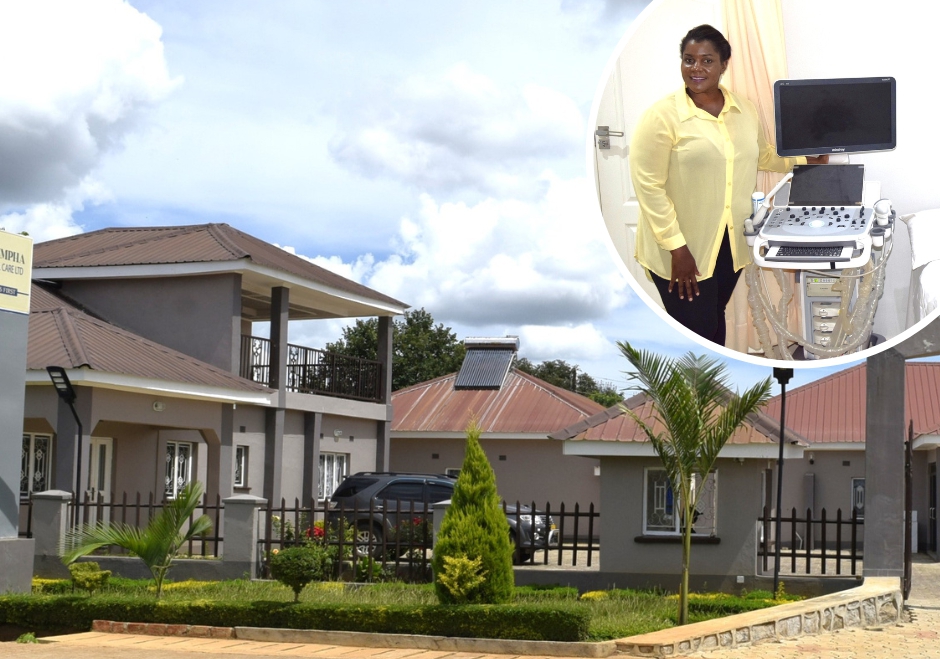
A similar dream come true is Tapempha Medical Care Centre at Namitete Trading Centre along the Lilongwe-Mchinji Road.
Shareholder Tadala Kathumba, a human resources manager, says the FInEs project provided K375 million through NBM Development Bank Limited to construct the 100-bed clinic and procure medical equipment.
Shareholder Tadala Kathumba
“The clinic employs 65 people and serves about 3 000 patients per month. We aim to see Malawians getting medical care here, not outside the country,” she says.
The two stories testify to the need to invest in women to achieve their dreams of changing the world around them.
In both cases, the women were first rejected by other financial institutions.
This year, the International Women’s Day theme, inspire inclusion, calls for a shift towards investing in women “Invest in women to accelerate progress. This highlights the importance of gender equality, women’s empowerment and their rights to healthier lives.
Ministry of Gender spokesperson Pauline Kaude commends NBM for its commitment to empowering women financially in line with the theme of inspiring inclusion.
She states: “One of the ministry’s mandates is ensuring that women are economically empowered. This development is a plus for us. If women are economically empowered, women will make meaningful contributions to the country’s economy.
“The ministry appreciates the good collaboration with FInEs. By complementing each other, we will capacitate women who lack the financial and technical muscle to do businesses like their male counterparts.”
NBM Development Bank Limited general manager Bernard Masi says the bank took a different approach to close the gaps that impede most Malawian entrepreneurs from accessing finance.
The main winners are small and medium enterprises, including women entrepreneurs.
When asked about the success stories of Mabedi and Kathumba, Masi said: “We believed in their dreams and gave them a chance to realize those dreams.
“Today, we witness how the two women and many others have excelled in their businesses. As a development bank, we are here to change people’s lives and contribute to the development of this nation.”
NBM plc marketing and corporate affairs manager Akossa Hiwa is happy that with NBM support, the two enterprising women have achieved what they never expected to achieve within five years when access to capital was tricky.
“The bank places great efforts in ensuring women are empowered,” she says.