Category: Health

  • Continuous testing key to preventing HIV infections in mothers

    Continuous testing key to preventing HIV infections in mothers

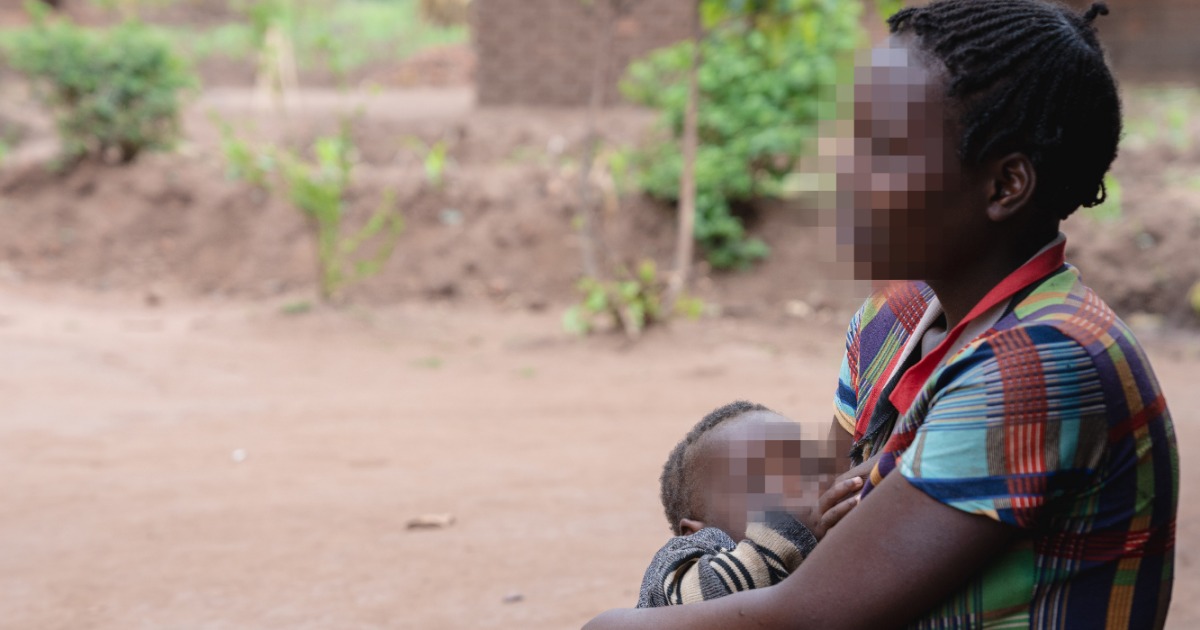
    In 2021, Gertrude’s world transformed into a whirlwind of happiness as she got married to a man of her dreams, setting her heart ablaze with excitement. However, it didn’t take much time for her marital bliss to crumble, leaving her trapped in a living nightmare of emotional abuse.

    Desperate for a way out, she reached out to her mother, who undertook a journey to Mozambique, where she was staying with the husband, and brought her back, along with her abusive spouse. But just when Gertrude* thought her worries were behind her, fate had a different idea and threw her another curveball.

    She had gotten pregnant while in Mozambique. Determined to provide the best care for her unborn child, she promptly began attending the antenatal clinic. Even after returning to Mulanje, she faithfully continued her visits to the health centre in her area.

    Despite her pregnancy, there was no let-up in the emotional abuse, but the couple uneasily stuck by each other. Shortly after their child was born in mid-2022, their marriage came to an end, and the man decided to return home. She soon remarried.

    Just as she thought she had finally discovered peace in her home, her world was abruptly disrupted around eight months after giving birth, thrusting her into a state of upheaval once again.

    “When I went for antenatal clinic, both in Mozambique and here, I tested negative for HIV on all occasions. However, when I went for another visit to the hospital, eight months after the birth of my daughter, I tested positive for HIV,” recounts the 20-year-old Gertrude.

    Upon returning home, she tried to persuade her new husband to get tested as well, but he refused.

    Gertrude’s predicament is known all too well to Gloria Ngulube, a ‘mentor mother’ who worked with Mother2Mother on an emergency response project which was implemented in Chiradzulu and Mulanje from April to September 2023 and aimed to focus on vulnerable populations and identify people living with HIV.

    As a mentor mother, she is tasked with engaging and providing moral support to pregnant women, breastfeeding mothers, and adolescent girls and young women.

    “When a woman is pregnant, we identify her and encourage her to attend antenatal clinics. Some of them are referred to us and it is our duty to hold their hand and counsel them all along the way,” Ngulube says.

    She explains that government policy dictates that women who have given birth must return to the hospital for a check-up six months later. When Gertrude went for her check-up, she tested positive for HIV, despite testing negative throughout her pregnancy.

    Gertrude took immediate action by enrolling in ART, but Ngulube’s concern centred around the potential transmission of the virus to their child.

    “When someone has tested positive, not many people take it well, so it was up to us to visit her to counsel her and provide moral support. Some people refuse to take the drugs, so it was important to encourage her to take the drugs to protect the child,” Ngulube explains.

    Gertrude’s case serves as a reminder about the need to continue providing healthcare services to women after giving birth, she adds.

    “We encourage them to test consistently and to always insist on an HIV test before committing themselves to any man,” she says.

    Under the emergency response project, which was implemented with support from UNICEF, Mother2Mother facilitators referred women for testing and services, supported client initiation on antiretroviral therapy, and provided adherence counselling for retention in care.

    They also supported access to critical maternal and child health, development and social services as well as created demand for and facilitated access to sexual and reproductive health services, including services to address reports of violence and neglect for adolescent girls and young women.

    Gertrude has fully embraced her situation and is steadfast in her determination to experience life to the utmost, with her only concern revolving around the challenges she encounters in finding food.

    “I received the message well even though it wasn’t something I expected, and I am taking the medicine because this is my life and it has to go on,” she says.

    * real name changed
  • Assisting HIV patients with mental health challenges

    Assisting HIV patients with mental health challenges

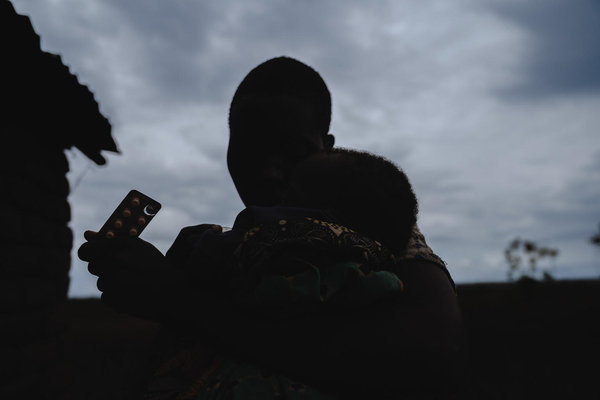
    Fiona* was a curious case for staff and community health workers at Chambe Health Centre in Mulanje. She was an antiretroviral therapy (ART) client who had transferred from another health centre at Kambenje in the same district.

    From time to time, she would visit the healthcare centre to collect her supply of medications for the upcoming three months. However, it seemed like almost every month, she had to return to refill her ARVs. Upon further investigation by the healthcare professionals, they discovered that she was mistakenly taking the drugs three times daily instead of the prescribed once.

    “We approached her mother and asked her to assist us in looking after her, by ensuring she takes the medicine in the right quantities at the right time,” explains Zione Mphepo, a mentor mother for the area under Mother2Mother programme.

    For a while, it seemed disaster had been averted and the problem had been solved. By and by, however, they realised she still reported to the clinic before her appointed time, and there was genuine fear she had relapsed.

    “When we investigated the matter, we realised she was sharing her drugs with her husband, who hasn’t tested and doesn’t know his status. We have tried to persuade him to get tested and be prescribed proper medicine, if need be, but he has refused,” she explains.

    Holding a meaningful conversation with Fiona, who is struggling with mental illness, can feel like an uphill battle. She would only respond to leading questions with a halting ‘yes’ or ‘no’. It is an experience Zione Mphepo is all too familiar with.

    As she explains, no one knows when Fiona was diagnosed with HIV, but the widely held assumption is that was when she became pregnant with her youngest child, who is barely a year old. Fiona has two other children, aged 12 and four, with her husband.

    She never misses a hospital appointment, even for her child’s under-five clinic. Whenever her drugs run out, which is frequent because of her husband’s actions, she almost always comes to the hospital.

    Her mother and elder sister play a vital role in her support system, ensuring the children’s needs are met and that she remains consistent in taking her medication.

    According to Josephine Njowe, the Site Coordinator for Mother2Mother at Chambe Health Centre in Mulanje, Fiona is one of four individuals with mental illnesses, and two of them have babies.

    From April to September 2023, Mother2Mother implemented an emergency response project with support from UNICEF. Under the project, Mother2Mother identified vulnerable populations and people living with HIV, and referred them for testing and services, supported client initiation on ART, and provided adherence counselling for retention in care.

    It also supported access to critical maternal and child health, development and social services as well as created demand for and facilitated access to sexual and reproductive health (SRH) services, including services to address reports of violence and neglect for adolescent girls and young women.

    Mother2Mother is dedicated to preventing the transmission of HIV from mothers to their children, and individuals like Fiona face a higher risk of passing on the virus to their little ones, Njowe explains.

    “We go above and beyond to provide special treatment to such people when they come to receive their medicine. We offer counselling on the importance of taking their medication diligently and provide valuable advice on caring for their children. Our mentor mothers continue to support them, ensuring they adhere to their medication schedules and come for refills as required,” Njowe says.

    * real name changed

  • PEPFAR commemorates 20 years of partnership in the fight against HIV and AIDS

    PEPFAR commemorates 20 years of partnership in the fight against HIV and AIDS

    The United States of America (USA) is celebrating 20th anniversary of partnership with Malawi in the fight against HIV and AIDS through President’s Emergency plan for AIDS Relief (PEPFAR).

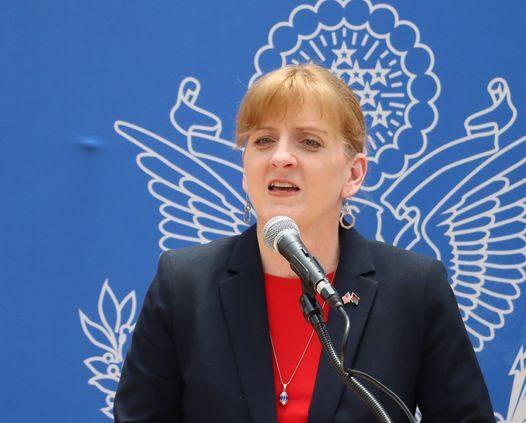
    Speaking in Lilongwe during press briefing Wednesday, Deputy Assistant Secretary of State for the Bureau of African Melanie Higgins said Malawi has managed to reduce HIV prevalence among adolescent girls, young women and men through programmes and information which they have been disseminating to the public.

    “ Today we are proud to work together with the Malawi government, UNAIDS, Global fund, civil society and other key partners in this life saving work. Malawi is at critical juncture in the fight to end the HIV” Higgins said.

    She added that the US government has invested over $1 billion dollars towards the fight against HIV and AIDS programmes since 2013 through PEPFAR and they aim at having HIV free generation.

    Minister of Health Khumbize Kandodo Chiponda acknowledged PEPFAR for the support they render to Malawi since they started working.

    “ We appreciate the support which has been provided since 2006 when PEPFAR came to Malawi, as a ministry, we have been working together with the local authorities to make sure we disseminate information about HIV and AIDS to the youth and we hope that PEPFAR will continue with their support to the country”, she said.

    One of the youth who is living with HIV Lusungu Harawa, highlighted the opportunities which PEPFAR has provided to her saying that she has received support through a programme which PEPFAR introduced for the youth living with HIV.

    PEPFAR which was launched in 2003 and came to Malawi in 2006 , aims at advancing treatment options, increase prevention efforts, raise awareness and strengthen health systems nationwide.

    Reported by Sheminah Nkhoma


  • CICOD steps up to support Mchinji’s Cholera preparedness efforts

    CICOD steps up to support Mchinji’s Cholera preparedness efforts

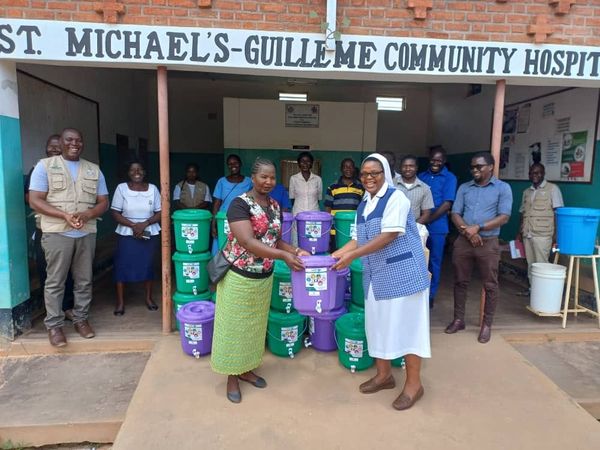
    Circle for Integrated Community Development (CICOD) Mchinji District Hospital has donated water and sanitation supplies, bolstering the hospital’s readiness to combat the potential cholera outbreak.
    Amos Tizola, the executive director of CICOD, said the donation is complementing government’s efforts in cholera prevention in Mchinji.
    “We recognize the importance of standing beside government in preventing cholera, especially during the current season. Our organization’s prior commitment to supporting district cholera preparedness plans necessitate the current initiative,” said Tizola.
    Director of health and social services (DHSS) for Mchinji Dr. Yohane Mwale expressed profound gratitude for CICOD’s timely intervention.
    “This donation comes at a crucial moment, as the cholera season has already commenced. The supplies provided will significantly contribute to our efforts to prevent cholera,” said Mwale.
    The donated supplies, valued at approximately K3.5 million, include essential items such as chlorine, tapped handwashing buckets, and liquid soap.
    CICOD is implementing a project called “Food Systems for Food Security”, a five-year initiative in partnership with Concern World Wide (CWW) and Irish Aid, and within the project, the organisation integrates a disaster risk reduction support component to prevent pandemic emergencies like cholera, ensuring there is continuity of the organisation’s work.
  • NBM supports Orthopedic meeting with K5 million

    NBM supports Orthopedic meeting with K5 million

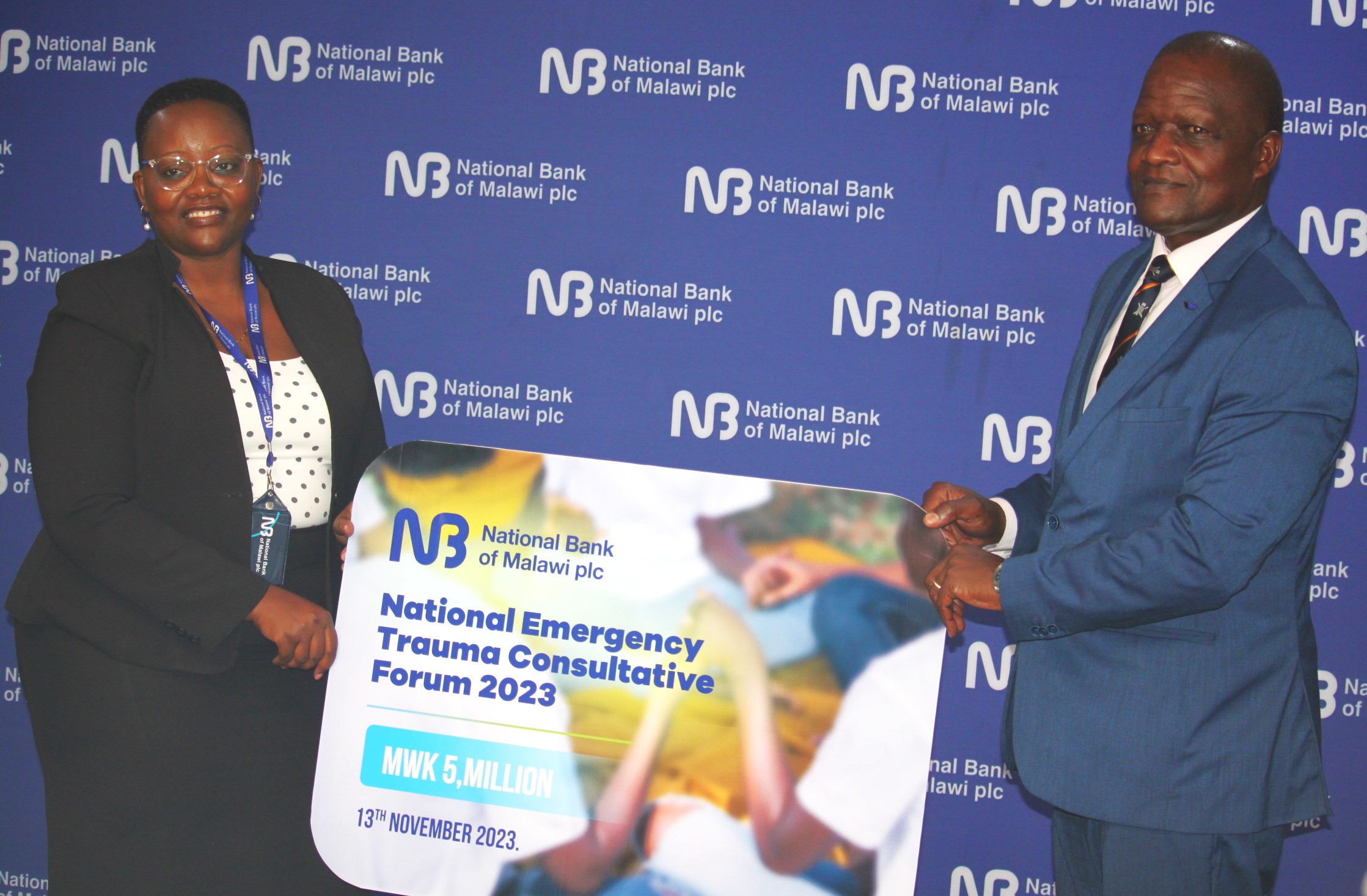
    National Bank of Malawi (NBM) Plc has supported the Malawi Orthopedic Association’s National Emergency Trauma Consultative Forum with K5 million as they discuss formulating a guiding policy document on emergency and trauma care in Malawi.

    Henderson Street Service Centre Manager Tamara Mtuwa, who represented NBM Plc during the cheque handover ceremony said by partnering with the association, the Bank aims to engrain its bond with the medical community further and showcase a staunch commitment to the highest standards of community welfare and advancement.

    “We are here to declare our unwavering support for the mission of the Malawi Orthopedic Association and the vital efforts to advance emergency trauma and orthopedic care in our nation. It gives me immense pleasure to announce our sponsorship of K5 million. This is not just a financial commitment but a testament to our enduring partnership and our shared vision for a safer, healthier, and more prosperous Malawi.”

    “Through active participation and interactions, we anticipate to emphasize our financial expertise tailored to meet the distinctive needs of the medical community,” said Mtuwa.

    The association’s patron, who is also a Professor of Orthopedics at Kamuzu University of Health Sciences (KUHeS), Nyengo Mkandawire thanked National Bank for supporting the forum.

    “We believe the forum is vital because, at the National level we need a guiding policy document on emergency and trauma care, there are currently some documents that guide us in this aspect but they are not comprehensive and all-inclusive. This consultative meeting will bring together all stakeholders involved in trauma care,” he said.

    The meeting will take place on November 15 and 16 in Lilongwe.


  • Malawi commemorates SADC Malaria Week

    Malawi commemorates SADC Malaria Week

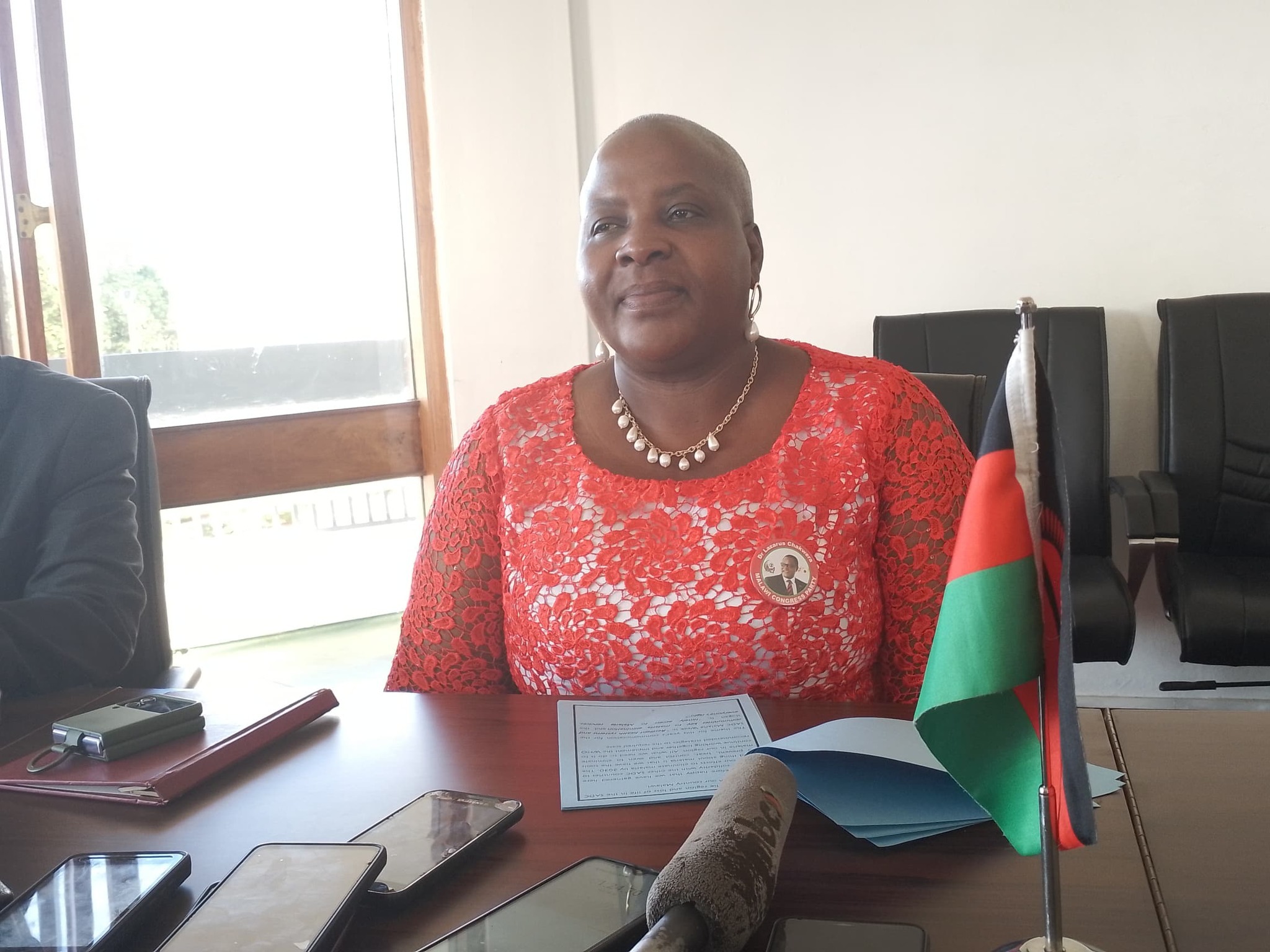
    Minister of Health Khumbize Kandodo Chiponda has said community participation is vital in all malaria control and prevention interventions.

    Speaking on Monday at a press briefing in Lilongwe in commemoration of Southern Africa Development Community (SADC) Malaria Week, Chaponda said interventions like distribution of treatable mosquito nets and insecticide residual spray (IRS), which the government is implementing, cannot work effectively if communities do not take part.

    She said the malaria week gives an opportunity to Malawi and other countries in the region to celebrate progress made in controlling malaria, which remains one of the highest causes of deaths for pregnant women and children.   

    “Last year alone, 1,800 people died of malaria in the country and 20 percent of patients seeking services as out patients in most hospitals are diagnosed from the disease.

    “As government, we are committed to ensuring that people access interventions which the government is implementing,” said Chaponda, adding Malawi has endorsed the Malawi Malaria Elimination Strategy, whose goal is to eliminate malaria in the country by 2030.

    She added: “President Lazarus Chakwera launched the ‘Zero Malaria Starts with Me Campaign’ in Liwonde to eliminate malaria by 2030; we have been distributing treatable mosquito nets to pregnant women and we do that with support from our partners like World Vision, Momentum, Global Fund, USAID and many more partners. We also introduced insecticide residual spray in some districts, Fansidar to pregnant women and recently malaria vaccine.” 

    The strategy, among other things, aims at increasing the proportion of the population protected by at least one malaria vector control intervention.

    Chief of Party for Global Fund Grants for World Vision Malawi, Dr Bizwick Mwale, said the IRS campaign implemented by the institution in four districts has led to a decline of malaria cases. 

    “We spray the insecticides on the walls of houses. We have been in the districts of Balaka, Mangochi, Nkhatabay and Nkhotakota and for three years now; we have seen a decrease in the number of malaria cases, which is commendable,” he said. 

    He then called on other organizations to scale up their efforts in combating malaria by supporting government interventions aimed at eliminating malaria by 2030.

    “Resilient health systems and communities: key to malaria elimination” is the theme for this year’s SADC Malaria Week. 

    By Sarah Munthali


  • Lilongwe registers 15 Cholera cases

    Lilongwe registers 15 Cholera cases

    Lilongwe District Health Office has expressed worry over the spread of cholera outbreak in some parts of the district as the number rises to 15.

    Lilongwe District Health Promotion Officer, Richard Mvula made the sentiments on Tuesday when briefing members of the District Executive Committee and other stakeholders on the development.

    Mvula has attributed the development to poor hygiene and sanitation practices by some people in Lilongwe River where some people draw their water for domestic chores.

    “It is a worrisome situation for the district because it was in September when we registered one case of cholera in Mgona and we thought it won’t spread to other areas.

    “As of now, we have registered 15 cases from four health centre catchment areas namely: Area 25, Chiwamba, Kang’oma and Daeyang. This is very worrisome,” he said.

    Mvula has, therefore, called upon stakeholders to join hands in combating the pandemic by, among other things, providing clean water to some parts of the district, encouraging households to have toilets and following sanitation and hygiene practices such as washing hands frequently with soap.

    He said on its part, Lilongwe DHO will soon embark on door to door cholera mass awareness campaigns across the district and checking if people are really following hygiene practices.

    Lilongwe District Planning Development Officer, Willard Chirwa has called upon stakeholders to be in the forefront in sensitising members of the general public on the importance of following hygiene practices.

    Reported by Andrew Mkonda

  • Wellness Centre in Back Pain awareness week

    Wellness Centre in Back Pain awareness week

    Beatitude Naturopathy and Wellness Centre has organized a week-long Backpain awareness and alignment where people with persistent back pain will be treated using naturopathic methods.

    The Centre’s Director Francis Malunga said in an interview yesterday that during the awareness week, which starts from 30 October to 5 November 2023, the wellness Centre will give free lectures to people who have back pain issues apart from treating them.

    “We will have a back alignment procedure for those with back pain using naturopathic methods. They will only need to pay a consultation fee of K20,000 otherwise we will not be charging for the actual treatment of back pain,” said Malunga.

    Malunga distinguished naturopathy and wellness from hospital care citing the former provides respect for the healing processes of nature while empowering the individual to take responsibility for their own health process.

    Beatitude Naturopathy and Wellness Centre recently relocated from Balaka to Manase, Blantyre to serve more people who were looking for naturopathic treatment.

  • AMREF deploys, equips HSAs with iCHIS

    AMREF deploys, equips HSAs with iCHIS

    Amref Health Africa in Malawi in partnership with Ministry of Health, D-Tree and Last Mile Health are deploying and training Health Surveillance Assistants (HSAs) in integrated community health information System (iCHIS) for data management and utilization.

    Speaking at the start of the training in Chitipa dirtrict, Amref Health Africa Digital Health Specialist, Maxwell Mhone said the importance of this activity lies in significantly improving healthcare services in the Chitipa district of Malawi.

    The training is being conducted with expertise from the University of Malawi (Unima)  Computer Science Department.

    “It ensures that even remote and underserved communities have access to quality healthcare. The deployment of the Ichis system and tablets streamlines data collection and enhances the overall healthcare system’s efficiency. The benefits of deploying HSAs equipped with Ichis are manifold.

    “They will improve the accuracy and efficiency of data collection, enabling quicker and more informed healthcare decisions. Additionally, the Ichis system promotes a holistic approach to healthcare, covering family planning, immunization, disease surveillance, and more, ensuring comprehensive health support at the community level,” he said

    Some of the HSA’s during the training at Kawale Primary School in Chitipa Urban

    Maxwell Mhone further said that one of the initial challenges in this endeavor was the lack of a streamlined data collection system, leading to inefficiencies and delays in healthcare responses.

    “Manual paperwork was burdensome and prone to errors. With the introduction of Ichis and tablet technology, these challenges are addressed, enhancing data accuracy and facilitating better healthcare outcomes in the Chitipa district.

    “After this initiative, the healthcare landscape in Chitipa will undergo a significant transformation. The timely and accurate data collection, along with increased coverage of healthcare services, will lead to more informed decision-making and better healthcare outcomes. Communities will benefit from improved healthcare access and more targeted interventions.

    “Health will improve as a result of the initiative through several means. The Ichis system ensures comprehensive health data is collected, allowing for data-driven decision-making. Timely and accurate information empowers healthcare workers to respond effectively to emerging health issues, allocate resources efficiently, and provide better care to individuals and families,” he said

    The deployment and training exercise started on October 23 and will end on November 3, 2023 targeting all health facilities in the district.

    Amref has procured 180 tablets, 3 laptop computers and other materials to support the training and deployment of HSA’s. About 173 HSA’a have been earmarked for the training covering all health facilities in Chitipa district.

    Amref Health Africa in Malawi with support from Amref Health Africa Headquarters in Nairobi, Kenya is implementing a MK 1.2 billion Technical Assistance Grant in partnership with Ministry of Health-Community Health Services Section to support implementation of the National Community Health Strategy (2023-2030).

    The agreement between Amref Health Africa in Malawi and Ministry of Health aims at strengthening the capacity of the Community Health Services Section in the Malawi Ministry of Health to develop systems and mobilize resources for effective delivery of the National Community Health Strategy (2023 – 2030).


  • Chima Health Centre extension to cater for more than 6,000 people

    Chima Health Centre extension to cater for more than 6,000 people

    Director of Health and Social Services (DHSS) for Likoma District, Dr. Gracewell Mathewe, has said the extension of Chima Health Centre in the district will improve service delivery to a population of over 6,000 people.

    Mathewe was speaking Tuesday during President Lazarus Chakwera’s maiden visit to the district where he inspected construction of an Out-Patient Department (OPD) at the health facility.

    “We spend more than K750,000 for a single referral to the mainland facilities and, in a month, we receive 3 or 4 patients who require such services. 

    “Universal health coverage requires that patients should have easy access to medical care and the extension of the OPD will greatly improve our delivery of health services in the district,” said Mathewe.

    Mathewe then asked government to consider constructing a new maternity wing, as the current one does not meet the required standards of maternity services.

    Commenting on the development, Nema Nkhoma of Kachere Village in the area of Senior Chief Mkumpha said the facility would help many people, especially women and children in the district.

    “This is the only health facility which offers free medical and health services and we will no longer be seeking paying services from private health facilities,” said Nkhoma.

    Reported By George Mponda