Category: Health

  • Lilongwe registers one cholera case

    Lilongwe registers one cholera case

    One cholera case has been registered in Lilongwe. 

    Lilongwe District Health Promotion Officer Richard Mvula confirmed the development Friday in an interview with Malawi News Agency.

    “I can confirm that we have registered a cholera case in Mgona in Area 25. We took the samples and tested them and the results came out positive,” he said.

    However, Mvula said the patient has already been treated and has been discharged from the hospital.

    Meanwhile, Story Workshop, an organization that promotes hygiene and sanitation in the district, has said there is need to intensify messages on good hygiene practices in a number of areas in Lilongwe District to avoid spread of the disease.

    Project Officer for Story Workshop in Lilongwe, Innocent Mankhwazi, said cholera can be prevented if people take serious good hygiene practices, such as washing hands before eating any food and washing hands with soap after visiting the toilet. 

    Last year, Lilongwe was one of the districts in the country that was hit hard by the cholera outbreak. 

    Reported By Andrew Mkonda

  • First Lady lobbies for support to end TB in Malawi 

    First Lady lobbies for support to end TB in Malawi 

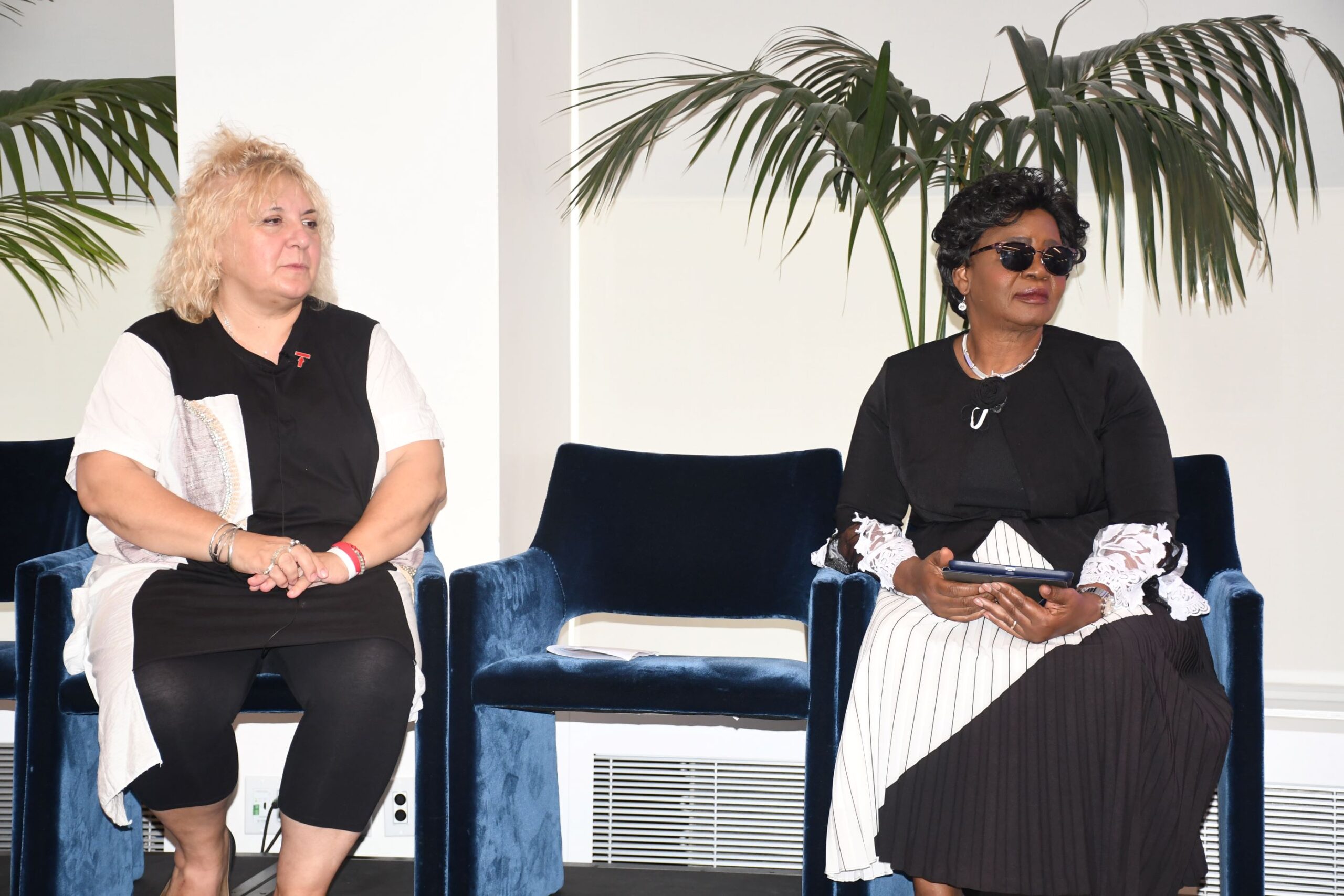
    First Lady Monica Chakwera says Malawi has made significant progress to eliminate cases of Tuberculosis (TB) for the past years.

    Chakwera said this during the End Tuberculosis Innovation Summit held in New York on the sidelines of the United Nations General Assembly (UNGA) conference.

    She said TB incidences have been reduced from 197 per 100,000 people in 2015 to 125 per 100,000 in 2022.

    Chakwera expressed concerned over women and girls in rural areas who walk long distances to access quality treatment hence encourage door to door treatment to ensure that patients are diagnosed early.

    She said: “TB strategies of such as mobile diagnostics, community sputum collection, door to door screening are enablers to end TB by 2030.

    She added that challenges such as lack of resources and poor service delivery require collective efforts to mobilize and adequately implement strategies that will help end TB.

    She, therefore, appealed for more support from various stakeholders and international institutions saying it help will boost the program and service delivery for Malawi to achieve TB elimination.

    In his remarks Korean Minister of Foreign Affairs, Dr Jae Wook Choi, ambassador of Global Health security said the summit has been at the forefront of the fight against TB for over a decade now.

    “Let us all be united and commit ourselves to bridge the gap and strengthen the growing and thriving TB innovations ecosystem to eliminate TB,” he said.

    He said the strategy of fighting TB which includes prevention, preparedness and response are paramount hence the need to advance science finance and innovation to ensure more access to quality treatment testing as well as care.

    The global plan to End TB 2023 – 2030 is a plan for ending TB as a challenge by 2030. It brings together leaders in the TB and global health space that includes donors, new stakeholder funders as well as innovators. 

    By Lisa Kadango Malango

  • EAM in male HIV interventions

    EAM in male HIV interventions

    The Evangelical Association of Malawi (EAM) has said it will start implementing a project on HIV and AIDS in Nkhotakota District with its interventions focusing on men and boys from October to December, 2023.

    Speaking during project presentation to Nkhotakota District Executive Committee (DEC) members on Thursday, EAM Regional Monitoring, Evaluation, Research and Learning Officer, Henry Bentry Mwalwanda, said the project is targeting men and boys because they are the ones that shun hospital or counseling services the most.

    “This project is a faith-based community HIV and AIDS initiative where the evangelical religious body is about to intervene and share awareness information on HIV and AIDS through faith community initiatives for men and boys to have access to sexual and reproductive health services,” he said.

    Mwalwanda further said most communities harbor men and boys that avoid the opportunity to get help.

    In his remarks, Nkhotakota District Council Monitoring and Evaluation Officer, John Manda, described the initiative as a commendable project in as far as male health education and HIV and AIDS interventions are concerned. 

    He said it was disheartening to see several projects targeting women and children, leaving out boys and men. Manda, therefore, expressed pleasure to see institutions like EAM coming in to balance the interventions so that the entire populace is attended to. 

    During the three-month project implementation, EAM is projected to spend about K27 million in Nkhotakota District, according to EAM officials. 

    Reported By Fletcher Chiponda

  • There is lack of knowledge on HIV, SRHR in higher education institutions – SAT

    There is lack of knowledge on HIV, SRHR in higher education institutions – SAT

    The SRHR African Trust (SAT) said there is lack of knowledge on HIV and Sexual and Reproductive Health and Rights (SRHR) issues in institutions of higher learning in the country.

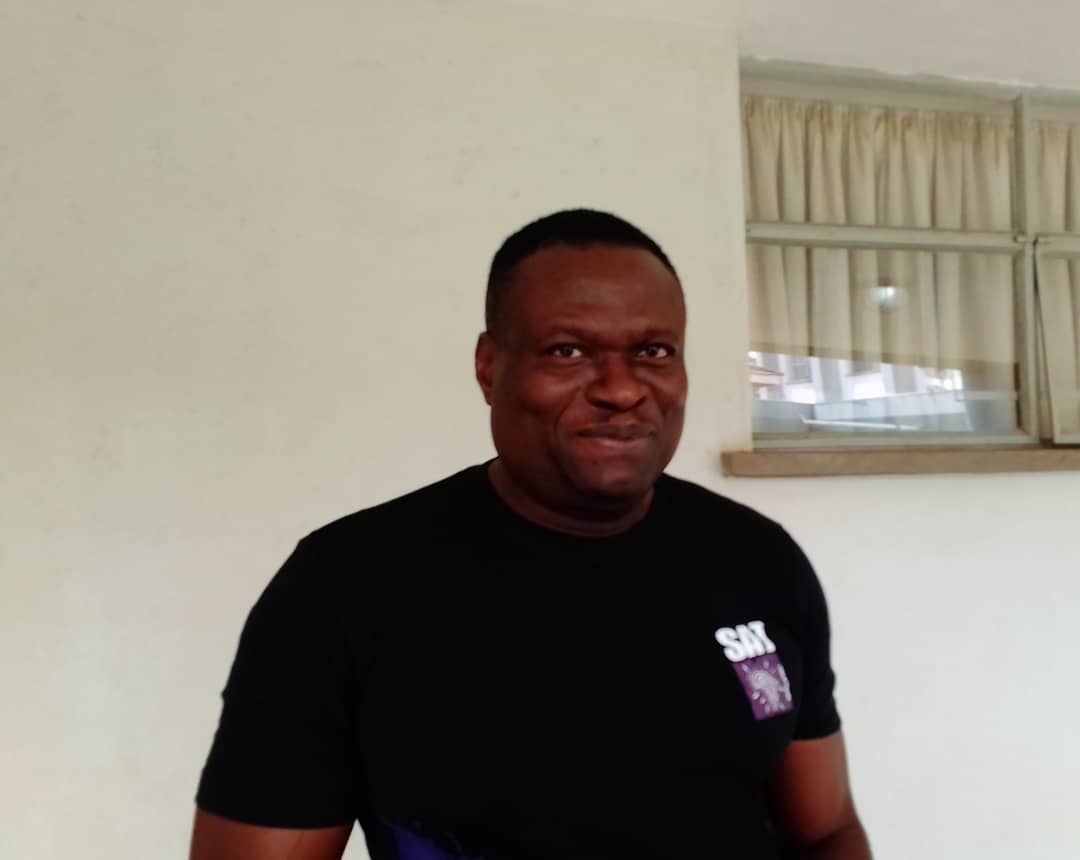
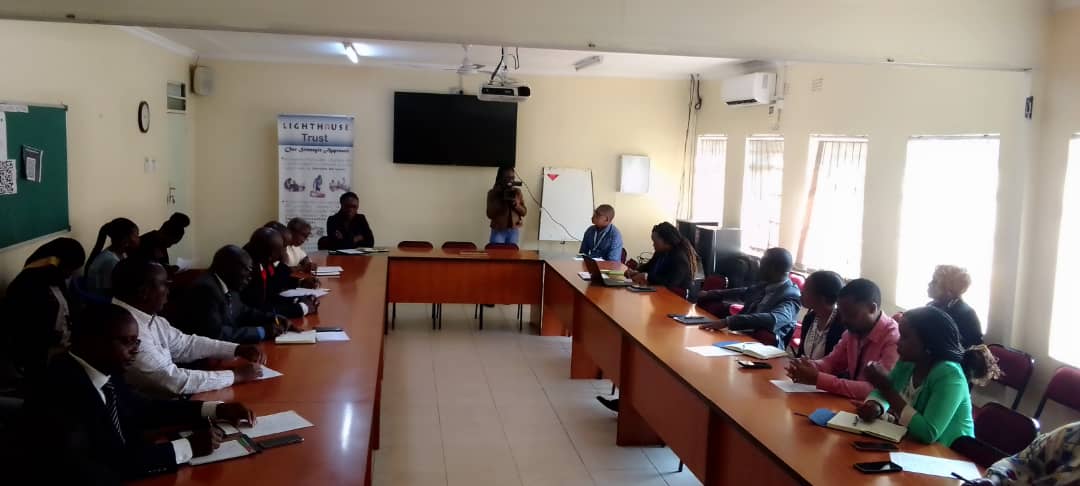
    SAT Country Director, Robert Mangwazu Phiri made the remarks on Saturday in Lilongwe during a day-long meeting between different colleges and Civil Society Organizations working in HIV and other sexual reproductive health rights services.

    The meeting, held under the theme; “Engaging Young People to Action” was aimed at empowering the youth take action on such issues.

    “There is knowledge gap amongst the students in these institutions mainly because civil society organizations working in HIV and other sexual reproductive health rights services sideline higher learning institutions in their projects,” said Mangwazu

    He said SAT is trying it’s level best to bridge the gap by working hand in hand with the College of Medicine, National Aids Commission (NAC) and the Lighthouse Trust.

    Mangwazu’s remarks were echoed by students who attended the meeting.

    “We hope the authorities should discuss and rectify this issue,” said one of the students at Dowa DAPP Teachers Training College, Charity Dzama

  • Over 9.5m children targeted in Polio Immunization campaign

    Over 9.5m children targeted in Polio Immunization campaign

    Malawi is targeting to reach out to 9,728, 350 children under 15 years, representing 95 percent of the population in the upcoming Polio Immunization campaign from next week.

    The exercise will run from 13th to 16th September 2023

    Deputy Director for preventive health services Dr. Mike Chisema made the remarks in Mponela on Friday during a media briefing.

    Chisema, who is also National Manager for Expanded Programme on immunization said polio vaccine is very important to children as it protects them against paralysis.

    He said the exercise is the only mainstay strategy in managing polio disease because once an individual has been diagnosed with the virus and paralysis starts then the effects are non-reversal

    UNICEF Malawi representative Dr Ibrahim Karim called on the media to be on the forefront mobilizing parents and guardians to make sure that all the children are vaccinated.

    “I believe that the media can play a critical role of changing people’s mindset and myths on the vaccines as most part of the population are of the view that there has been too much vaccines lately which might affect their children hence resisting the vaccine,” said Karim.

    Door To Door Campaign

    On Friday, the Lilongwe District Health Office (DHO) engaged social mobilisers who are going door to door to interact with parents and caregivers prior to the 2023 second round of polio vaccination campaign in order to clear myths and misconceptions surrounding the vaccine.

    Lilongwe DHO, which registered one polio case of a three-year-old in February, 2022, will conduct the campaign from 13th to 16th September, 2023 using a door-to-door approach targeting 1.4 million children aged zero to 15 years.

    Lilongwe DHO Public Relations Officer, Richard Mvula said during a media interaction in Lilongwe on Friday that engaging stakeholders in the campaign is important for them to understand the intervention.

    He expressed concern that every time a new intervention is introduced there are misconceptions which affect its administration hence the need for awareness through engaging those involved.

    “We are engaging parents. All parents have the best interest of their children at heart but because, maybe, some of them are not aware what the program or intervention is all about they tend to shun it. So, we are trying to interact with them so that they understand and take part.

    “We are also engaging school committees and teachers because the age band falls in schools. We are doing this so that everyone understands the intervention. Government is taking this intervention to the community not for sinister motives but to protect all children in this age band,” he said.

    One of the participants, Perina Wahara who works for PLFM expressed gratitude for for the interaction saying the information shared will go a long way in sensitising the communities on the importance of the vaccine.

    In July, 2023 Ministry of Health launched a campaign to vaccinate nine million children aged 15 and below.

    Additional Reporting By Patricia Kapulula


  • Bwaila District Hospital overwhelmed with Post Abortion cases

    Bwaila District Hospital overwhelmed with Post Abortion cases

    District Nursing Midwifery officer at Bwaila hospital, Bertha Mwale Kaudza says the hospital is overwhelmed with abortion cases as the hospital gets about 268 post abortion cases per month referred to the facility, most of which are complications emanating from unsafe abortions.

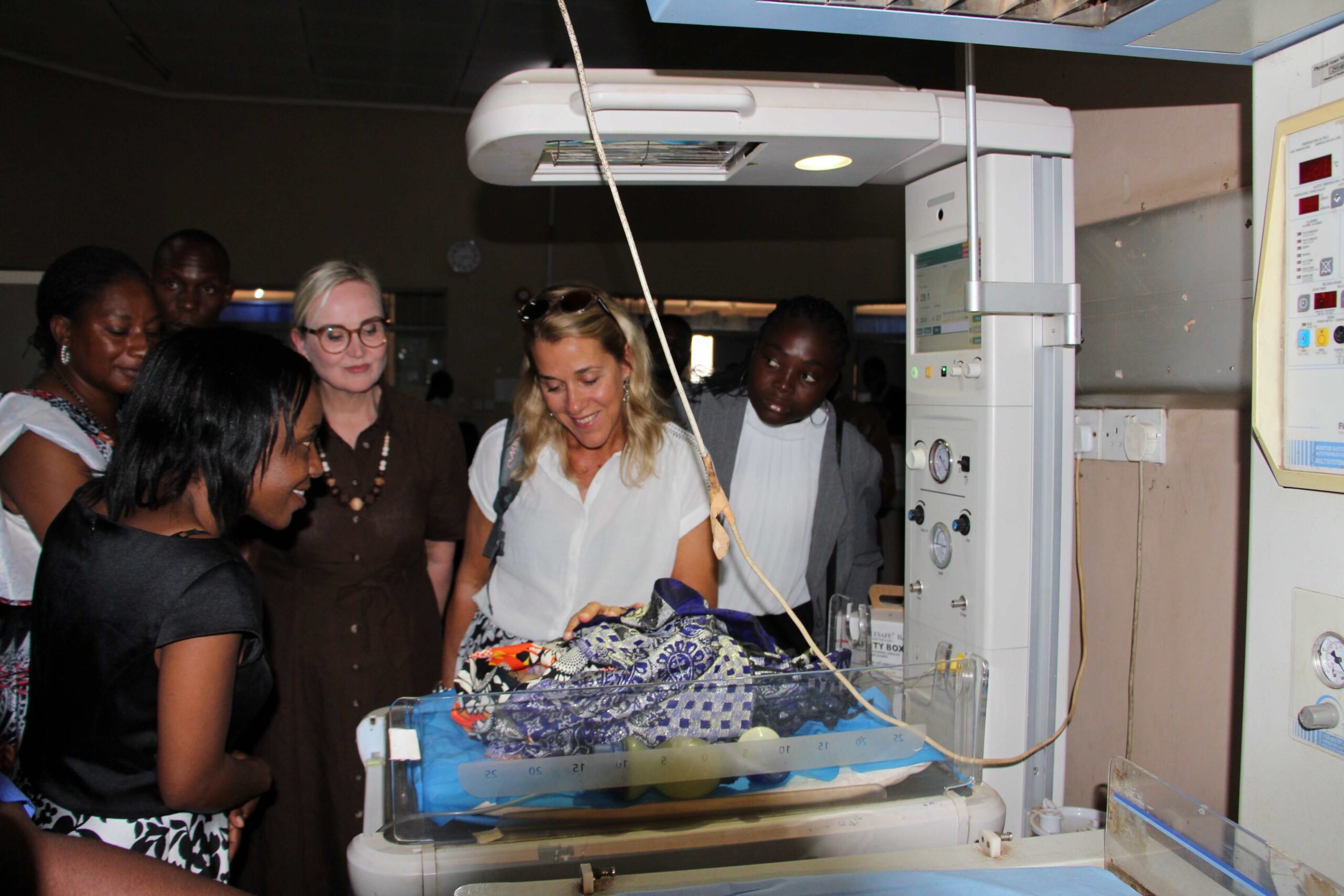
    The Officer said this during a study tour that Family Planning Association of Malawi, FPAM in conjunction with European Parliamentary Forum on Sexual and Reproductive Rights (EPF) organized for Members of Parliament (MPs) from European Countries to appreciate how sexual and reproductive health issues are facilitated in the country.

    Kaudza said Bwaila hospital is not enough for the Lilongwe population because the time the facility was constructed it was intended for a small population and only for offering gynecology services and delivery. But with the inclusion of sexual and reproductive health services, there are more clients coming for admissions.

    “I really appreciate the visit of parliamentarians from European Countries so that we can show them how we are handling the sexual and reproductive health issues at our facility, we are receiving a lot of post abortion cases which means that as a country we need to do more in offering sexual and reproductive health services especially on family planning,” said Kaudza

    Commenting on the same, Savel Kafwafwa, member of Malawi parliament and chair for social and community affairs committee of parliament said Malawi as a country is struggling in several areas including sexual and reproductive health issues that is why the hospital is seeing a lot of unsafe abortion cases emanating from unwanted pregnancies.

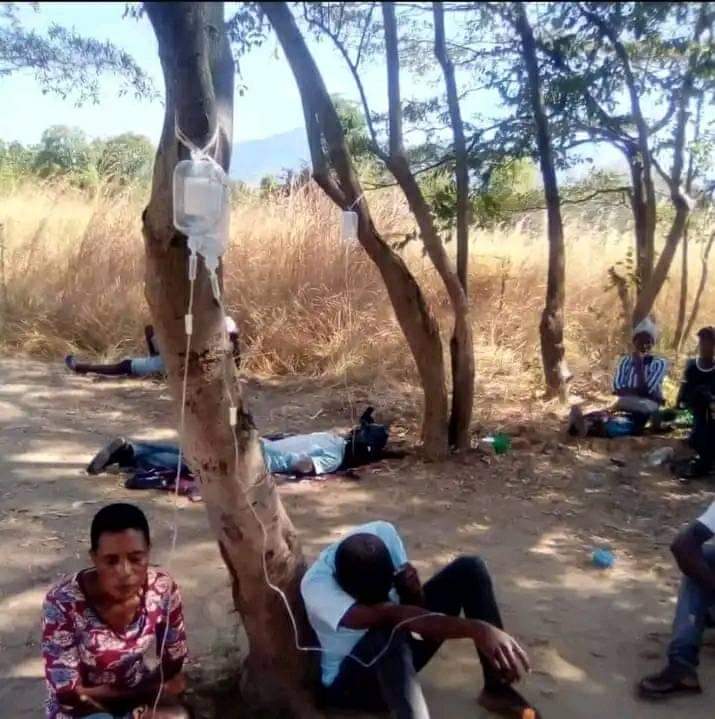
    “We can see the evidence at the facility that the hospital is overwhelmed as we see a lot of admitted clients being helped on the floor and even sleeping there. Many of these cases here are clients coming for post abortion cases and as members of parliament we need to make sure that the population is educated on sexual and reproductive health issues as well as have enough supplies on family planning to reduce unwanted pregnancies,” he said.

    Before visiting Bwaila District Hospital, the Members of Parliament from European Countries had a caucus with some Malawian Members of Parliament in the member’s chamber at parliament building where the two sides discussed the status of sexual and reproductive health issues in the country.

    Members of parliament from Romania, Finland, Portugal, Ireland and Belgium expressed gratitude to have travelled to Malawi and appreciate the sexual and reproductive health services so that they can see how they can come in to help reduce the cases of unwanted pregnancies through family planning services.

    “With this opportunity of visiting Malawi we will see how we can improve the progress of sexual and reproductive health issues, as we heard in the meeting with MPs that education is key to dealing with sexual and reproductive health issues, we hope to lobby for more help in SRH education when we go back home,’ said Laurence Zanchetta, member of parliament from Finland. 

    The MPs from European Countries are part of European Parliamentary forum, a network of parliamentarians across Europe who are committed to protecting the sexual and reproductive health of the world’s most vulnerable population.

    By Kumbukani Kondowe


  • Multisectoral action and funding needed to overcome TB in Africa

    Multisectoral action and funding needed to overcome TB in Africa

    By Lydia Buzaalirwa:

    Tuberculosis (TB) advocates globally are pushing for ambitious strategic goals that require equally motivated multisectoral cooperation and action – including meaningful funding increases – if Africans are to better respond to and defeat TB on the continent.

    As the AIDS Healthcare Foundation, we call on stakeholders to increase funding for TB prevention and treatment programs in Africa. Partnerships between the government, private sector organizations, civil society groups, and international organizations are critical. Increased funding is vital to boost awareness of the importance of testing and the early diagnosis of TB.

    Advocacy and community engagement efforts must be intensified to increase awareness and understanding of the disease. We must all do our part to curb TB infections in the region, not just on World TB Day, but every day. The upcoming 2nd UN High-Level Meeting on TB, mandated for 2023, presents a unique opportunity for stakeholders to renew their commitments to ending TB on the continent.

    Although there has been progress in combating TB, Africa experiences challenges accessing essential TB services. This opinion piece explores the current state of TB in Africa, highlights the key obstacles, and emphasizes the urgent need for all stakeholders to get involved and increase funding to address this pressing public health issue.

    Looking at the statistics and classifications pertaining to TB, one can say that Africa carries a significant disease burden. Seventeen of the 30 high-burden TB countries globally are in Africa, while five of the 10 focus countries for multidrug-resistant (MDR) TB/HIV coinfection are in Africa.

    Globally and in Africa, there were observed gains in focused TB control as evidenced by the declining prevalence, new cases, and deaths attributed to TB. Reductions in new cases and deaths are slower than expected/ desired, and this can be attributed to disruptions in funding and services due to competition from COVID-19 as a new global public health priority. Below, we highlight some illustrative examples of trends.

    The reported decline in global spending on essential TB services from US$6 billion in 2019 to US$5.4 billion in 2021 is a significant concern and is a major shortfall to the projected need of US$13 billion annually for the past eight years. This mirrors the decline in global TB funding, and there is also a reported decrease in domestic financing for TB services across the 136 selected priority lower-middle-income countries, including almost the entire African continent.

    Africa is among the regions with a high TB burden globally, struggling simultaneously with weak health systems, poverty, inadequate nutritional support, and limited access to new drugs and diagnostic tools. These challenges hinder effective TB control and demand urgent attention.

    TB has a significant socio-economic impact on society, affecting individuals’ health and limiting their ability to work and participate in social and economic activities. TB treatment can also be expensive, placing a financial burden on affected individuals and their families, especially those living in poverty. The lack of investment in healthcare systems leaves communities even more vulnerable to TB diseases.

    Severe shortages of human resources for health, worsened by high turnover, contribute to missed opportunities to identify cases and accurately diagnose TB in patients attending available health facilities. These missed opportunities translate into delayed treatment and continued sources of TB transmission.

    Stakeholders must also avail newer treatment regimens and increase access to up-to-date diagnostic technologies to increase health worker capacity to detect, diagnose, and treat TB cases.

    The Stop TB Partnership has set and published a global plan to end TB as a public health threat by 2030 – a seven-year plan with several objectives, among which are to:

    • Find and diagnose at least 95% of people with TB, including adults, children, and those with drug-resistant strains.
    • Deliver treatment to 50 million people within the next seven years, with 4.7 million being children.
    • Achieve at least 90% treatment success for all forms of TB.
    • Provide TB preventive therapy (TPT) to 100% of eligible people with TB.

    To achieve these and several other priorities in this TB eradication plan, the TB community calls for renewed efforts to strengthen health systems, including devising innovative technologies, community outreach, and case management approaches, along with increasing funding. Therefore, this requires a multisectoral response to the TB epidemic to ensure these required interventions are implemented immediately to address the TB epidemic in Africa.

    Addressing these factors requires collaboration across various sectors, including health, education, nutrition, and social welfare. By integrating TB control strategies into broader development agendas, African countries can tackle the underlying issues contributing to the high TB burden and persistent low funding. Reducing stigma, increasing gender mainstreaming, and promoting human rights-based approaches are crucial for achieving equitable and effective TB responses. Below, we elaborate on specific steps to progress toward achieving some of the objectives to end TB by 2030.

    Mobilizing additional funding: Despite the devastating toll of TB, it often lacks prioritization in health agendas and faces inadequate funding. In Africa, governments contribute only 22% of the required resources, leaving 44% of needs unfunded. To make substantial progress in TB control, efforts must be intensified to mobilize additional funds from both domestic sources and international donors. This requires advocacy, networking, and strong leadership to ensure TB receives the attention and resources it deserves.

    Learning from COVID-19: The COVID-19 pandemic has overshadowed the progress made in TB control, leading to a decrease in the number of people receiving TB treatment. However, the lessons learned from the pandemic, including solidarity, determination, innovation, and equitable use of tools, can and should be applied to TB. By leveraging the experiences gained during the COVID-19 response, African countries can strengthen their healthcare systems, improve diagnostic capabilities, and enhance TB treatment access.

    We urge stakeholders to enhance funding for the African TB response, which is essential for promoting awareness, early detection, and treatment. Collective and immediate actions are required to reduce TB infections in the region. The upcoming 2nd UN High-Level Meeting on TB in 2023 offers a distinctive chance for stakeholders to reaffirm their dedication to eradicating TB in Africa.

    Lydia Buzaalirwa is the Aids Healthcare Foundation (AHF) Africa Bureau, Director of Quality Management.

    – CAJ News
  • UK Christian Healthcare professionals donate community midwife bags to Phalombe Health Centres

    UK Christian Healthcare professionals donate community midwife bags to Phalombe Health Centres

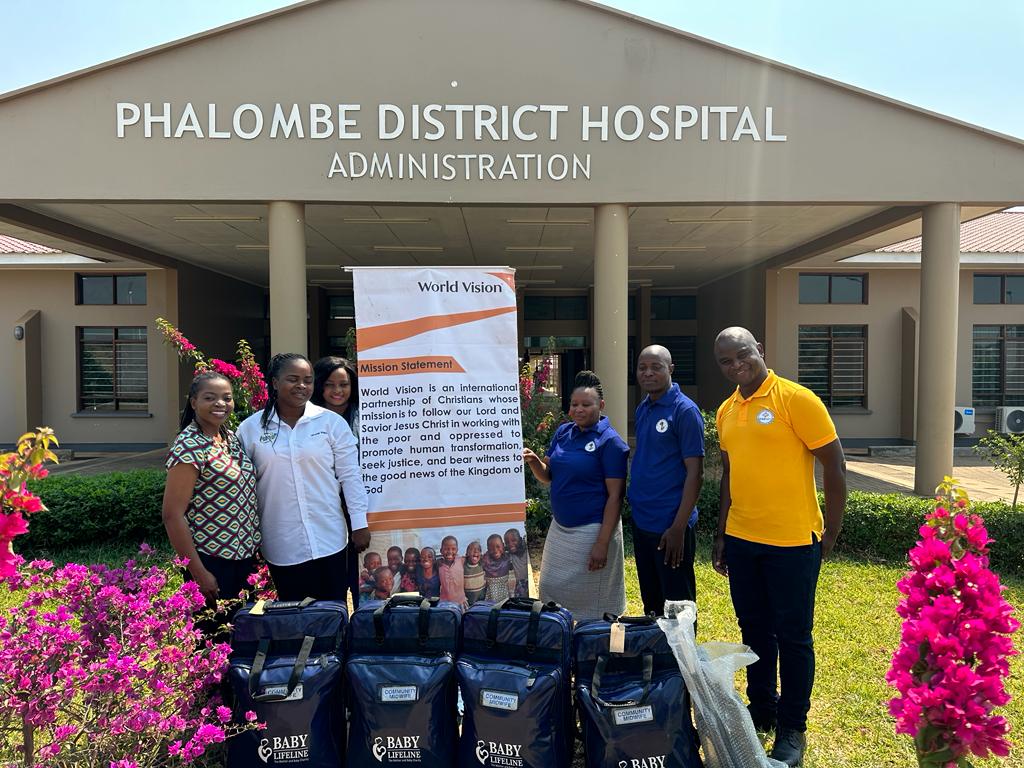
    Christian Healthcare Professionals Network UK (CHPnet), a network of Christian doctors, nurses, midwives, and other registered healthcare professionals in the United Kingdom (UK) on Thursday donated community midwives bags worth £4000 (approx.K5.8 million) to four health centres in Phalombe District recovering from the devastating effects of Cyclone Freddy.

    President of CHPnet UK Dr Chimwemwe Kalumbi-Mkambula said the group was moved to make the donation of the midwives bags after seeing the devastating effects that Cyclone Freddy had especially on the healthcare system in the worst hit areas like Phalombe.

    “Our network is inspired by our Christian faith and values, and we seek to serve God and our neighbours through our work and witness. One of the ways we express our vision and mission is by supporting humanitarian needs in the healthcare sector in different parts of the world, especially in low- and middle-income countries where resources are scarce and needs are great.”

    “Every mother and baby deserve the safest birth experience possible, no matter the place of birth. It is essential that all professionals, working in all environments, have the equipment and training to feel confident, competent, and valued to deliver safe compassionate care,” said Kalumbi-Mkambula.

    She said the community midwives bags were purchased through Baby Lifeline, a UK mother and baby charity that developed a rucksack style bag with adjustable straps and optional wheels and are  compartmentalized and colour coded to make it easier to identify equipment quickly.

    According to CHPnet, the bag provides everything needed for births at home, community health centres and even remote areas including any emergencies. It is designed for infection-control and easy transport and our donation will go directly to health centres in Phalombe District that were heavily affected by the aftermath of cyclone Freddy.

    CHPnet worked together with World Vision Malawi, which supported them with logistics including clearance of the shipment and delivery of the donation to Phalombe District Hospital,  the charity Every Mother and Child Matters and Church of Pentecost Malawi.

    CHPnet executives hailed their  members in the UK and Malawi, especially the Church of Pentecost UK and its national executives who were the biggest donors.

    Programs Manager for World Vision Malawi in Mulanje and Phalombe Districts Linda Kanjanga Phiri thanked CHPnet for the donation of the Midwives bags describing it as ‘timely’.

    “As World Vision Malawi we would like to thank the CHPNet UK for the timely support as we ensure that mothers and babies continue to enjoy safe delivery in the district,” she said.

    Phalombe District Nursing Officer Felistus Mpachika received and welcomed  the donations on behalf of the hospital.  

    Also present during the handover ceremony included National Head of Church of Pentecost Malawi Apostle Patrick Andrew Pangani and his wife Mrs. Fanny Blessings Pangani, Pastor Isaac Kabwese from Every Mother and Child Matters and other health officials.

  • White Ribbon Alliance advocates for respectful maternity care

    White Ribbon Alliance advocates for respectful maternity care

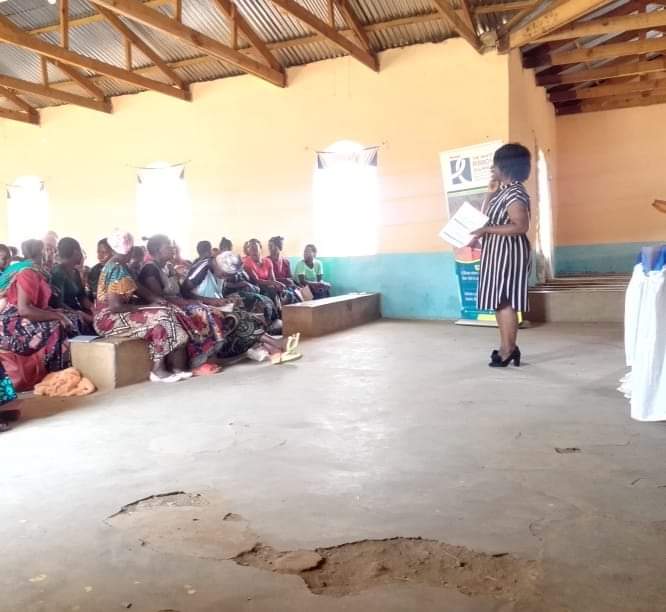
    As a way of making sure that mothers are exposed to safe motherhood, White Ribbon Alliance is teaching communities in Mchinji through community engagement meetings on respectful maternity care.

    Speaking at one of the meetings which took place at Waliranji in Mchinji on Saturday, Director for White Ribbon Alliance in Malawi, Elimase Kamanga Gama, stated that the aim of the meetings was to ensure that communities, especially women, are able to know their rights and responsibilities as they receive maternity care.

    Kamanga Gama explained that they, as an organization, expect the mothers to honour and respect the rights of the health workers that assist them, adding she believes the message will be spread around by the mother care groups who were engaged during these meeting.

    On his part, Safe Motherhood Coordinator for Mchinji, Elias Kantepa, said the meetings will help the district improve its services when it comes to maternity care.

    “The issue of maternal deaths and neo-natal deaths has been affecting a lot of our communities because most women do not attend maternity services due to different beliefs or fear of experiencing bad services in their respective health centres,” said Kantepa.

    Kantepa further said that the meeting has acted as an eye opener to both the mothers and the health workers, as they will now be able to work hand in hand with knowledge of the rights and responsibilities of each and every one of them.

    One of the attendees, Efiginia Petiyasi, appreciated White Ribbon Alliance for the educative meeting, stating that women were not aware of some of the rights that protect them while accessing maternity care services.

    She explained that she will make sure that the message will be passed on to their communities so that the hospital becomes a good environment for both health workers and people seeking maternity care.

    Reported by Winfrida Kamwana

  • Umodzi Clinic quality service delivery excites key players

    Umodzi Clinic quality service delivery excites key players

    Key players in HIV and AIDS prevention and care says excited with how Umodzi Friendly Clinic under Lighthouse trust in blantyre delivers its services to HIV recipients of care.

    The sentiments comes after the team which composed of the parliamentary committee on HIV and AIDS, National AIDS Commission (NAC) and board of trustees from Lighthouse trust toured Umodzi Friendly Clinic in Blantyre on Wednesday.

    Speaking to The Atlas, on the sidelines of the tour, Chairperson of Lighthouse sub committee trust Dr Dorothy Namate said they are delighted with the clinics service delivery and environment which they operate which she describes as suitable and excellent to the HIV recipient of care.

    “We appreciate the level of hardwork the team at the clinic have shown in carrying out their duties at this clinic and we have confidence that the recipients of care are being taken very good care and professionally,” said Namate.

    Namate added that the clinic gives care to ART recipient to not less than 16,000 since its inception and advised the general public to feel free and get the HIV and AIDS services for free to those in Blantyre and surrounding areas.

    Darlington Harawa is the outgoing chairman for the parliamentary committee on HIV and AIDS and nutrion who applauded umodzi friendly clinic for its effort of providing quality services to the general public on HIV and AIDS related issues.

    “We have toured the facility its smart and conducive for the recipient of care to get their medication and all necessary help without hustles and we hope that this will continue for the benefit of malawians”, said Dowa central member of Parliament Harawa.

    Umodzi light house clinic operationalized its services in 2017 and is currently attending to 16000 recipient of care in Blantyre.