Category: Health

  • Lilongwe DHO in Bilharzia drug mass campaign

    Lilongwe DHO in Bilharzia drug mass campaign

    The Lilongwe District Health Office (DHO) has launched a mass distribution campaign of Bilharzia drugs in order to eliminate the disease within the district.

    The campaign began on Tuesday, March 5 and will run until March 9. The initiative aims to reach 800,000 people in the district, targeting school-going children aged six and above, as well as adults.

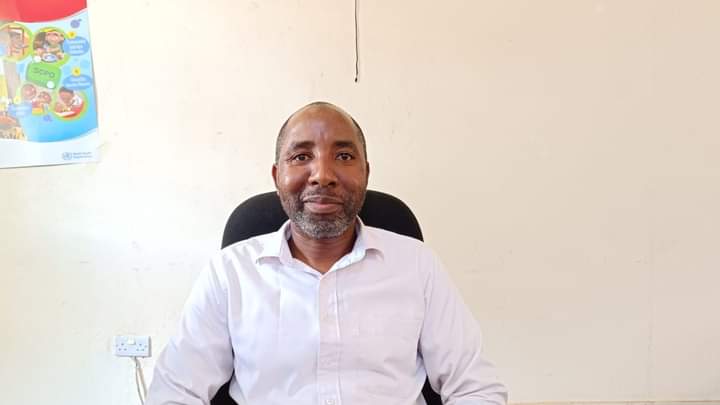
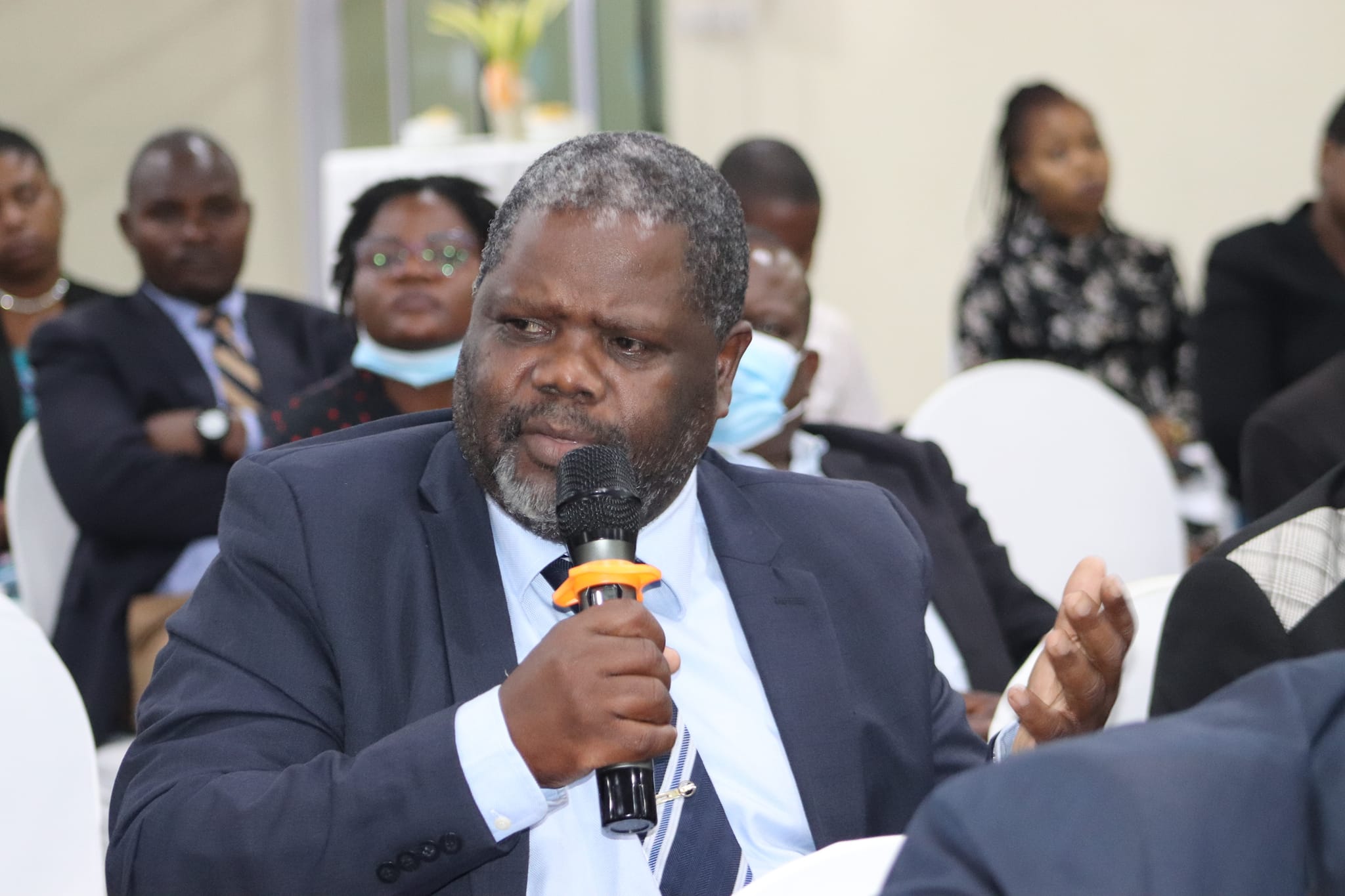
    During a media briefing in Lilongwe, the District Health Promotion Officer, Richard Mvula, emphasised the importance of parents sensitising their children to take the drugs at school.

    He compared the campaign to other successful initiatives, such as the elimination of Lymphatic IASIS, and expressed his hope that the effort would make Malawi free from Bilharzia.

    Lilongwe DHO is collaborating with the Ministry of Education to meet primary school learners in every school. In the communities, they will also visit places where people usually meet and engage volunteers in door-to-door services.

    George Jobe, the Chief Executive Officer of the Malawi Health Equity Network (MHEN), welcomed the intervention and encouraged parents and stakeholders to support the campaign.

    He noted that the initiative was essential, particularly at this time when the country is still experiencing heavy rains.

  • NTLEP urged to take leprosy messages to schools

    NTLEP urged to take leprosy messages to schools

    Students and teachers in some schools in the country have asked the ministry of health to reach them with leprosy messages, saying most of young people in such institutiond are unaware of issues concerining the skin infection.

    The call has come at a time the country is experiencing the reimmergence of leprosy, the skin disease Malawa was declared free by World Health Organization (WHO) in 1994.

    The ministry of Health has however assured Malawians that they are doing everything possible to end further spread of the infection through providing people with messages that might help them identity symptoms of the infection.

    The ministry has also said that most district hospitals in the country have adquate supplies of drugs to treat those diagnized with the ailment.

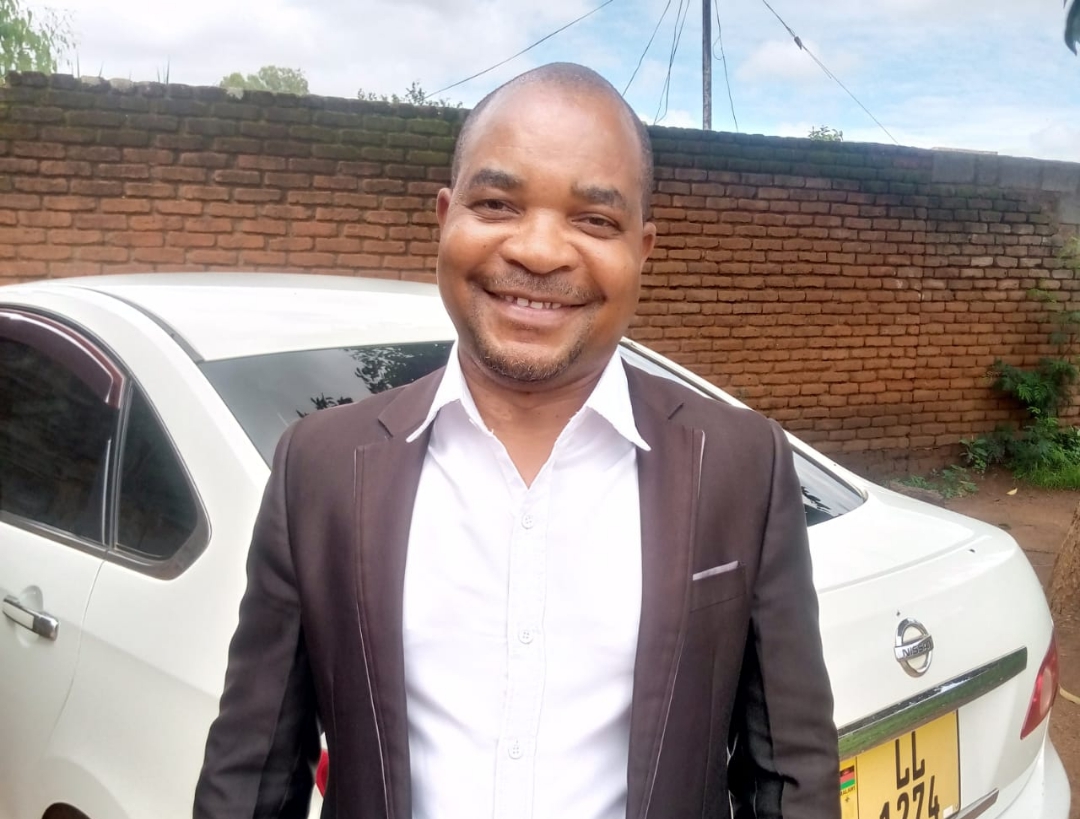
    But Andrew Mkopoliwa Director for Kawale Private Secondary School in Lilongwe has expressed worry with the re-immergence of leprosy in the country.

    He has however complained that most students in various schools know little or nothing about the infection, therefore called upon the responsible department in the ministry of Health, National Tuberculosis and Leprosy Elimination Program (NTLEP) to start visiting schools where leprosy messages should be preached to the learners.

    ” We have been seeing officials from the ministy of health visiting schools with HIV and AIDS messages and lately they have been sensitizing learners about Covid 19. I feel its time for officials from the ministry should also start visiting schools to preach messages concerning leprosy,” said Mkopoliwa.

    While the Principal for Proper Private school in the same city, Leonard Metazama applauded the ministry of health for efforts being made in the fight againstlLeprosy, but expressed doubt if any students at the school is aware of the skin infection, symptoms and its recurrence in the country.

    He therefore concurred with Mkopoliwa that there is a need for the ministry of health through its information department or NTLEP to start visiting schools to sensitize learners about the infection.

    “Let me be honest here, that there are a few or no students at this school who can answer or explain anything about leprosy, this is an indication that despite the prevailance of the infection our learners do not know anything about the scourge. We therefore need to get messages about the infection to the grassroots through targeting these young ones,” explained Metazama.

    A Mr Phiri, teacher at Nyungwe Primary School in Chiradzulu district said, she was not aware that leprosy has resurfaced in the country, which she suggested as equally been applicable to most students at the institution. She therefore urged responsible officials to visit them with the awareness messages about the infection.

    However efforts to speak with NTLEP Director Dr James Mpunga proved futile as he could not be reached through his phone.

    However through media tours NTLEP has repeatedly said they are doing everything possible to ensure that people in all the areas of the country are reached with leprosy messages which is a key step towards eradicating the infection.

    Reported by Brown Mdalla

  • Business mogul Mpinganjira builds cancer hospital in honour of late wife

    Business mogul Mpinganjira builds cancer hospital in honour of late wife

    The International Blantyre Cancer Centre Board Chairperson Thomson Mpinganjira has said the decision to construct the centre was triggered by the death of his wife, Barbara on 4 January 2019.

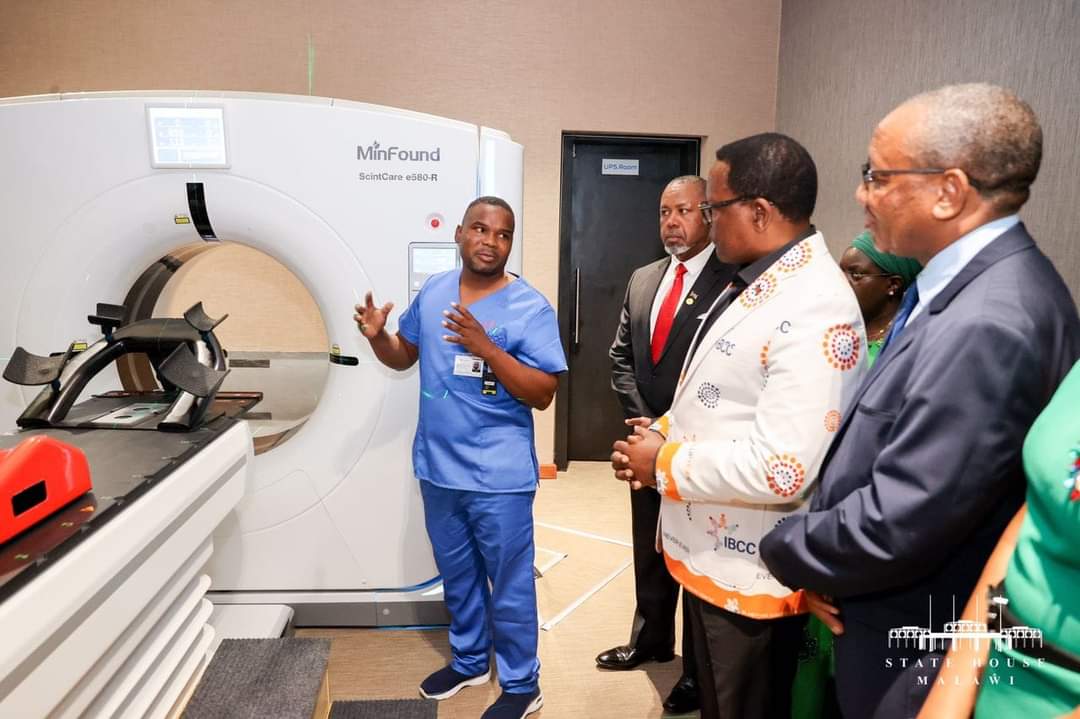
    Mpinganjira said this on Tuesday when President Lazarus Chakwera officially opened the International Blantyre Cancer Centre in Nyambadwe, Blantyre.

    He narrated that the plan to construct the centre dates back to 24 January 2017 when his late wife, Barbara was diagnosed with cancer and she spent 3 months at a South African hospital while he stayed in a hotel until their return to Malawi on 16 April 2017,

    ” It was that experience in South Africa, that prompted me, after the death of my wife on 4 January 2019, to make the decision to build a Cancer hospital in Malawi so that as many Malawians as possible should never have to go through the same experience we went through. I give glory to God that we now have a Cancer Centre in Malawi” he said.

    According to Mpinganjira, the facility will offer both Radiotherapy and Chemotherapy treatment and has the most advanced Radiotherapy facilities in Africa which will help in treatment of cancer patients within the country.

    He emphasized that the Centre is a game changer for the country as it will relieve the country on the massive foreign exchange challenge the country is experiencing.

    “The second reason is the huge cost burden borne by the patient or family. The financing burden paying for air tickets, accommodation, food, local transport, and sundries amongst other costs for the patient and the guardian that just add up to the patient’s stress exacerbating the condition of the patient,” he bemoaned.

    Mpinganjira applauded President Lazarus Chakwera for his willingness to personally come to open the Cancer Centre, describing the gesture as a clear demonstration that the President values the contributions of the private sector community in Malawi.

    “This momentous occasion marks a significant milestone in our collective fight against one of the most formidable adversaries known to humanity – Cancer. The Cancer Centre stands as a beacon of light in the darkness of cancer, a place where innovative technology meets the healing power of empathy and compassion,” he said.

    In his remarks, Chakwera said government is currently implementing the National Cancer Control plan that among others, will enable that every cancer patient should be treated within the country by 2030.

    He said the National Cancer Center in Lilongwe will be operational by September this year.

    The President added that there are many patients that need treatment which calls for collaborative efforts as at the moment, saying treating one cancer patient requires about K25 million.

    Speaking earlier, Minister of Local Government, Unity and Culture Richard Chimwendo Banda who spoke on behalf of Minister of Health Khumbize Kandodo-Chiponda, said about 12 0000 people die of cancer every year in Malawi and that 17 000 cancer cases are diagnosed every year.

    He said cancer remains a burden for the country as the deaths accounts for almost 50 percent of deaths that occur due to non-communicable diseases.

    The cancer centre is a 50/50 joint venture between the ‘Thomson & Barbara Mpinganjira Foundation’ and the Luxembourg, Belgium based company called OMCC.

    OMCC has 5 Cancer Centers in France and four in Africa and has treated over 60,000 patients since this Radiotherapy group started.

    Once fully completed with state -of-the-art accommodation, the cost of the project is expected to amount to 7 million euros (about K12 billion).

    So far about K9.6 billion has been spent on the first phase of the project while second phase is expected to start soon and will comprise of a state-of-the-art Diagnostic facility and accommodation facility pushing the final cost of the project to 8 million Euros.

  • Japan, Partners in Health sign K120m grant for TB X-ray provision

    Japan, Partners in Health sign K120m grant for TB X-ray provision

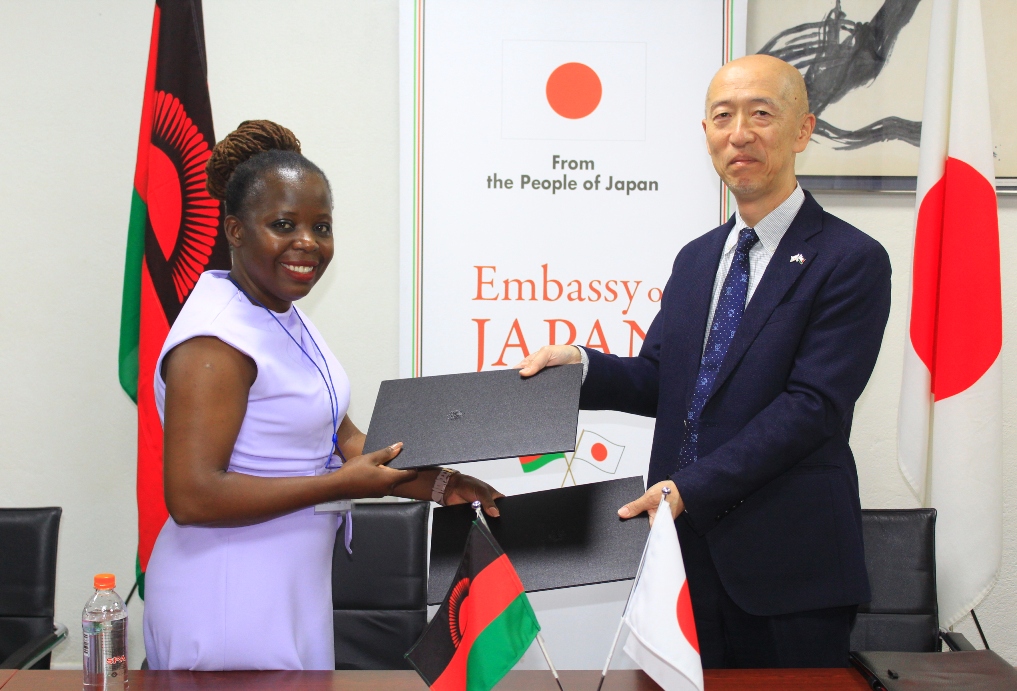
    The Embassy of Japan and Partners in Health (Abwezi pa za Umoyo) have signed a grant contract amounting to K120 million for the provision of a Tuberculosis (TB) portable X-ray machine for Neno District Health Office.

    Speaking during the signing ceremony in Lilongwe on Thursday, the Ambassador of Japan to Malawi, Yoichi Oya, expressed hope that the provision of the portable X-ray machine will improve the health environment in the district.

    “Provision of this TB X-ray machine will also enhance livelihood and lead to the development of the country,” said Oya.

    Oya highlighted that the grant is provided under the Grant Assistance for Grass-roots Human Security Projects for the Japanese Government aimed at providing financial assistance to non-profit development organisations for implementing projects at the grassroots level.

    Executive Director for Partners in Health, Basimenye Nlema, said the partnership that Neno District Council and Partners in Health have will go a long way in ensuring that the government’s efforts towards elimination of TB by 2030 as outlined in the National Tuberculosis and Leprosy Elimination Program strategy are on track.

    “There will be timely and early detection of the disease and early TB treatment for patients since the service to help in diagnosis will be closer to people in need especially those suspected to have TB in Neno district,” she said.

    District Commissioner for Neno, Rosemary Nawasha, expressed gratitude to the Embassy of Japan for continuously striving to enhance capacity and promote development in Malawi, particularly in various sectors of government as well as at local district councils.

    “Let me thank the government of Japan through its Grant Assistance for Grassroots Human Security Project for accepting and approving our grant proposal which Neno District Council co-submitted with its longtime partner, Partners in Health, two years ago. We are excited and grateful to be the recipient of the grant,” said Nawasha.

    She added that Neno District faces challenges in delivery of accurate diagnosis and appropriate health services for infectious diseases such as TB hence the grant will go a long way in TB detection and treatment.

    The machine will help in TB screening services, laboratory services using a microscope and radiology services. 

    By Lesnat Kenan

  • Air Cargo donates equipment to Chileka Health Centre

    Air Cargo donates equipment to Chileka Health Centre

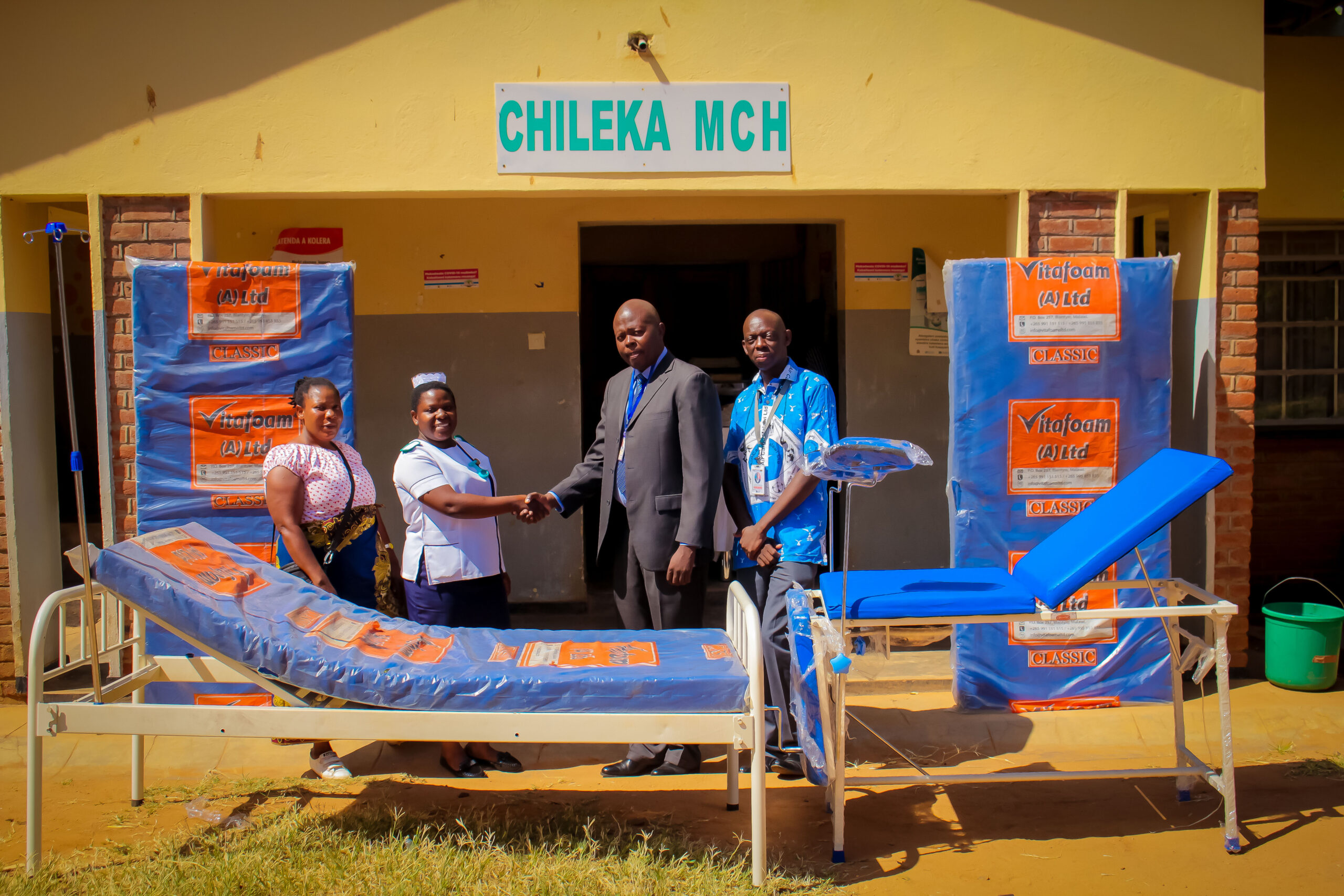
    Air Cargo Malawi (ACM) has handed over medical equipment worth K3 million to Chileka Health Centre maternity wing as part of their Corporate Social Responsibility (CSR) initiative commitment.  

    Air Cargo Malawi’s Director of Operations, Arnold Chimwenje said the company thought it necessary to donate to the community they work in, as a way of making a positive economic and health impact.   

    “We felt it necessary that we contribute to the nearby surroundings so that we can make a significant impact in the community that we are serving. That is why we chose Chileka Health Centre.  We have donated a maternity bed, a post-natal bed, and four leather-covered mattresses. This is not just a transaction; it symbolizes a collaboration between ACM and the healthcare community.”

    “ACM as a key player in the air freight industry, is committed to impacting communities positively. This initiative resonates with one of the objectives of the Malawi Health Sector Strategic Plan II (2017-2022) of improving the availability and quality of health infrastructure and medical equipment,” said Chimwenje.

    Chileka Health Centre Deputy Nurse-in-Charge, Maria Dzimbiri thanked ACM for the donation which she said will go a long way in giving comfort to expectant mothers.

    “We didn’t have these kinds of beds; we were just improvising the normal beds. The coming in of these beds will tremendously improve our services,” said Dzimbiri.

    She then asked other corporate entities to help in renovating a ceiling that is in bad shape and donate weighing scales and blood pressure monitors among other needed items.

    Village Head Singano also commended ACM for the donation which she said will also help other villages in Traditional Authority Kuntaja’s area.

    “Not only people in my area are excited, but other village heads surrounding this area are also happy with this donation,” she said.

    ACM plans to donate to Lumbadzi Health Centre which is near Kamuzu International Airport in Lilongwe later this month.

  • NBM fulfils promise: hands over chemistry analyzer to QECH

    NBM fulfils promise: hands over chemistry analyzer to QECH


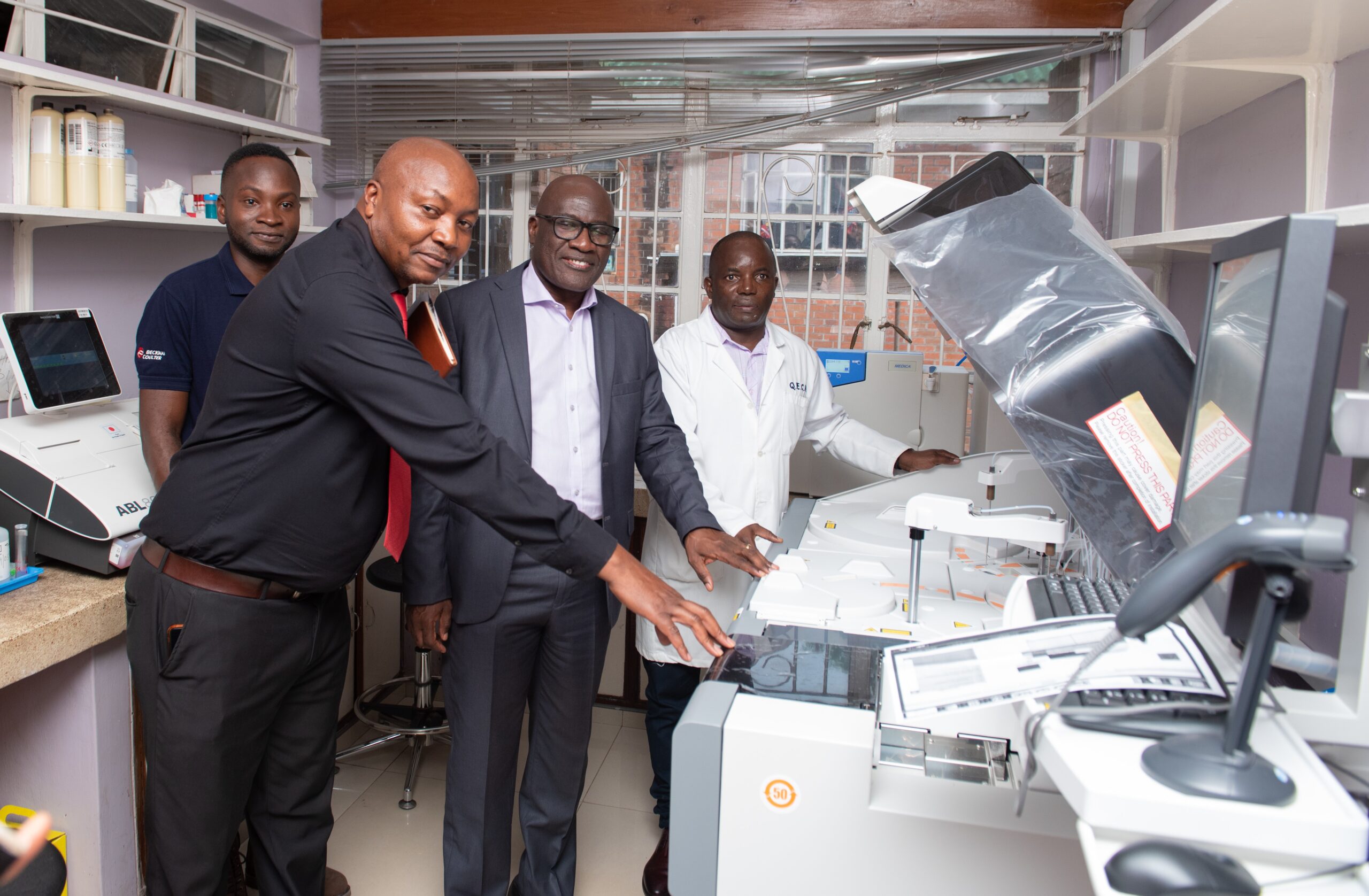
    National Bank of Malawi (NBM) Plc has handed over a chemistry analyzer to Queen Elizabeth Central Hospital (QECH), to help in early detection of cancer in children.  

    The Bank promised to buy the machine worth K91 million in October this year after being approached by the World Child Cancer, a leading international children’s charity dedicated to addressing the global inequality in childhood cancer care.

    Speaking when he handed over the high-tech equipment at QECH on Tuesday, NBM Chief Executive Officer (CEO), Macfussy Kawawa said the Bank committed to the cause since the health sector is one of the key pillars within the bank’s corporate social investment policy.

    “We believe that contributing to the health sector helps grow a healthy populace that will turn out to be the very customers that we need to make the Bank thrive. There are a lot of areas and initiatives that require help, but the government alone can’t do it. This is why as a good corporate citizens, we see it as our duty to do the best we can to make the necessary corporate social investments in the health sector,” said Kawawa

    Receiving the equipment on behalf of QECH, Controller of Hospital Administrative Support Services at Kamuzu Central Hospital (KCH), Sipho Nyasulu thanked National Bank plc for the donation.

    “QECH has a shortage of equipment in all areas, especially diagnostic areas like laboratory, radiology and  even in theatre. We are very thankful to the National Bank of Malawi for this donation of a chemistry analyzer which will help a lot in the diagnosis of cancers in children,” said Nyasulu.

    Earlier this year, the Bank also donated theatre equipment to Malawi Defense Force (MDF) worth K132 million. 

  • Malawians to benefit from first sleeping sickness oral medication

    Malawians to benefit from first sleeping sickness oral medication

    Malawians are likely to benefit from first sleeping sickness oral medication which the European Medicines Agency’s (EMA) Committee for Medicinal Products for Human Use (CHMP) has adopted a positive scientific opinion.

    This positive opinion, according to a statement by the Drugs for Neglected Diseases initiative (DNDi), is for the treatment in adults and children six years of age or older and weighing at least 20 kg, of both first-stage (haemo-lymphatic) and second-stage (meningo-encephalitic) Trypanosoma brucei (T.b.) rhodesiense sleeping sickness, an acute and lethal form of this parasitic disease found in Eastern and Southern Africa.

    The statement said this CHMP opinion follows an application by Sanofi under Article 58 and clinical trials in Malawi and Uganda led by the non-profit medical research organization Drugs for Neglected Diseases Initiative (DNDi).

    The CHMP was first adopted in 2018, a positive opinion of Fexinidazole Winthrop as the first all-oral treatment.

    In Malawi, the study was led by Dr. Westain Nyirenda, who is also Rumphi District director of health and social services.

    In an interview with The Atlas, Nyirenda said the first sleeping sickness oral medication is better than the current treatments which are toxic to patients.

    “The study was important because Malawi is one of the endemic areas for Human African Trypanosomiasis (HAT), due to trypanosoma brucei rhodesiense. Currently, cases are still being reported from communities surrounding game reserves, mostly Vwaza Marsh and Nkhotakota game reserves.

    “Over 1 million people are at risk of getting infected with the parasite from a infected tsetse bite. So the burden is there. Thats one. Second, the current treatments are toxic to patients, and need hospitalisation for treatment.

    “Therefore, the new medicines that have just been given a positive scientific opinion, are both efficacious and safe. Besides, it’s an oral medicine, simple to use even in the communities. It is the first oral medication for rhodesiense HAT

    “So, having a simple and safer oral pill to treat this frightening disease will allow doctors to rapidly save lives. It will also help patients to trust the new treatment,” he said

    The Ministry of Health is yet to make a decision whether to start using the oral medication or not.

    Sleeping sickness, or human African trypanosomiasis (HAT), is usually fatal without treatment. Both forms of sleeping sickness are transmitted by the bite of infected tsetse flies, which are found in 36 African countries. It causes neuropsychiatric symptoms, including aggressiveness, psychosis, a debilitating disruption of sleep patterns that have given this neglected disease its name, and ultimately, death.

  • Esther Phiri makes it under Afikepo project

    Esther Phiri makes it under Afikepo project

    Esther Phiri, who is 30 years old, has witnessed women from Chiphaka Village in Nkhotakota district renting their undernourished children to those seeking aid from NGOs and other well-wishers.

    In this village, according to Phiri, having a malnourished child was a source of charity and also a business opportunity.

    “There were many malnourished children and breastfeeding mothers then. For many, it was about the benefits when they have such children,” she said.

    Thanks to a nutrition project called Afikepo, which aimed to build the capacity of various nutrition structures at both local and district levels to reduce malnutrition and stunting, the system began to change when Phiri was getting married.

    The project was funded by the European Union through the Food and Agriculture Organization (FAO) and Unicef and was launched in 2017.

    It is a multi-sectoral initiative that integrates agriculture, health, and nutrition activities to address the issue of food and nutrition insecurity and undernutrition.

    Through the Afikepo project, Phiri and others learned how to implement measures that increase the availability, access, and utilization of diversified foods at the household level.

    This would result in improved dietary consumption of diversified, safe, and nutritious foods among women of childbearing age, adolescent girls, infants, and young children, particularly under the age of two.

    “Prior to the Afikepo project, our living conditions were very different. We did not have backyard gardens to cultivate crops, and we lacked proper toilets and struggled with hygiene. Additionally, we relied on traditional cooking methods that consumed a lot of firewood.

    “However, thanks to the project, we were able to adapt to new lifestyles. We now have backyard gardens that allow us to grow crops for our daily use. We also raise chickens for our meals and have cleaner living spaces, all thanks to Afikepo,” said Phiri, who is under  Kazanga section.

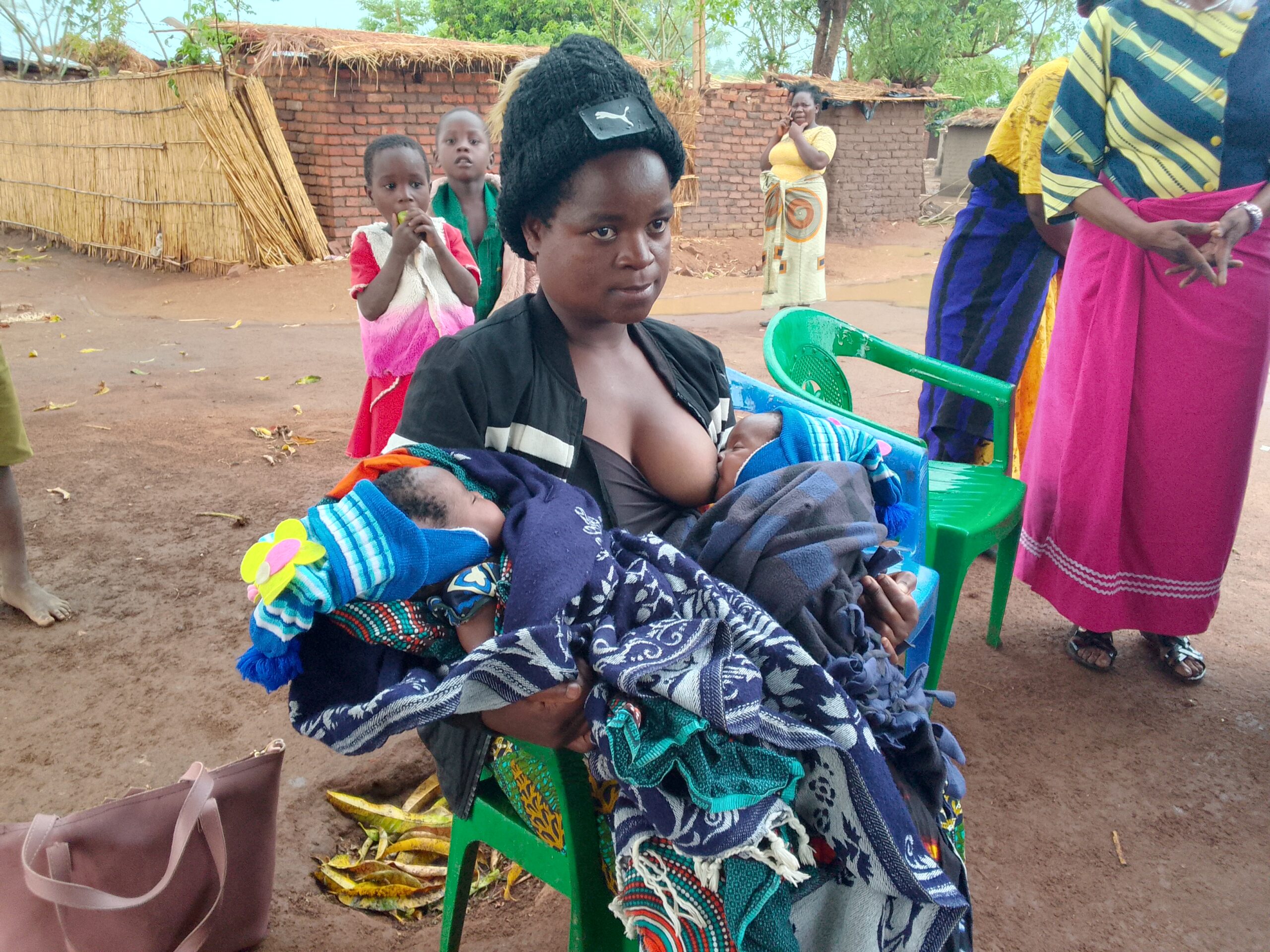
    As she speaks, she gazes at her newborn twins with a grin. At just a month and three weeks old, the two bouncing baby girls are growing at a pace that outstrips their age. They are healthy and growing quickly.

    “It’s all because of the project. We are now capable of having six food groups at home. We are all living a healthy life,” said Phiri, who is married and has four children.

    For the past two years, she said, the village has not recorded any malnourished children.

    Kazanga Section is located under Ntosa Extension Planning Areas (EPA) in the district.

    According to the Ntosa EPA agricultural extension development officer (AEDO) Nancy Namanja, through the project, malnutrition levels in the area have decreased from 40 percent to about 10 percent.

    “Most households prepare six food groups besides practicing enhanced exclusive child breastfeeding,” she added.

    The EPA has 31 promoters and 61 care groups.

    As Afikepo project comes to a close this month, Namanja believes that a lot has been accomplished in promoting coordination among nutrition structures.

    “People will be able to maintain what they have learned so far since almost everyone has seen the impact that exists,” she added.

  • Motorcycle accidents in Malawi an epidemic-Ngoma

    Motorcycle accidents in Malawi an epidemic-Ngoma

    The rising number of motorcycle accidents on the country’s roads have been described as an epidemic by Director of Kamuzu Central Hospital Dr Jonathan Ngoma.

    The situation is so dire that 80 per cent of patients admitted in the Orthopedic Ward at the country’s main referral hospital Kamuzu Central (KCH) are motorcycle accident victims.

    Said Ngoma; ”We are admitting so many patients here who are accident victims of motorcycles. In our orthopedic ward about 80 per cent of patients are victims of these accidents. I can describe this as an epidemic because of the frequency they are occurring. This is a huge problem because government spends a lot of money to buy medicines to bring back these patients to their normal status”.

    When The Atlas Malawi visited the orthopedic department at KCH, several patients and guardians described motorcyclists as agents of death or injuries.

    One patient who was about to have his arm amputated described the motorcyclists as a ticking time bomb.

    “They do not follow rules and regulations and just overtake vehicles in the main roads anyhow. They can overtake left or right with reckless abandon and something needs to be done,” said the man who only identified himself as Alfred.

    Apart from the motorcycle accident victims Ngoma also claimed that they are admitting more patients because of alcohol abuse.

    He claimed that some patients even die to overdrinking and asked the relevant authorities to do something on the matter.

    “Some patients come here while in comma due to overdrinking. Some have even died and this is also an epidemic. IO urge those responsible on these things to take drastic measures to curb this problem,” claimed Ngoma.

    In recent years the country has seen a proliferation of drinking places with some located even very close to schools and colleges.


  • Counselling keeps sero-discordant couples together

    Counselling keeps sero-discordant couples together

    Prior to March 2023, not much had been going on well for Madalitso (not real name).

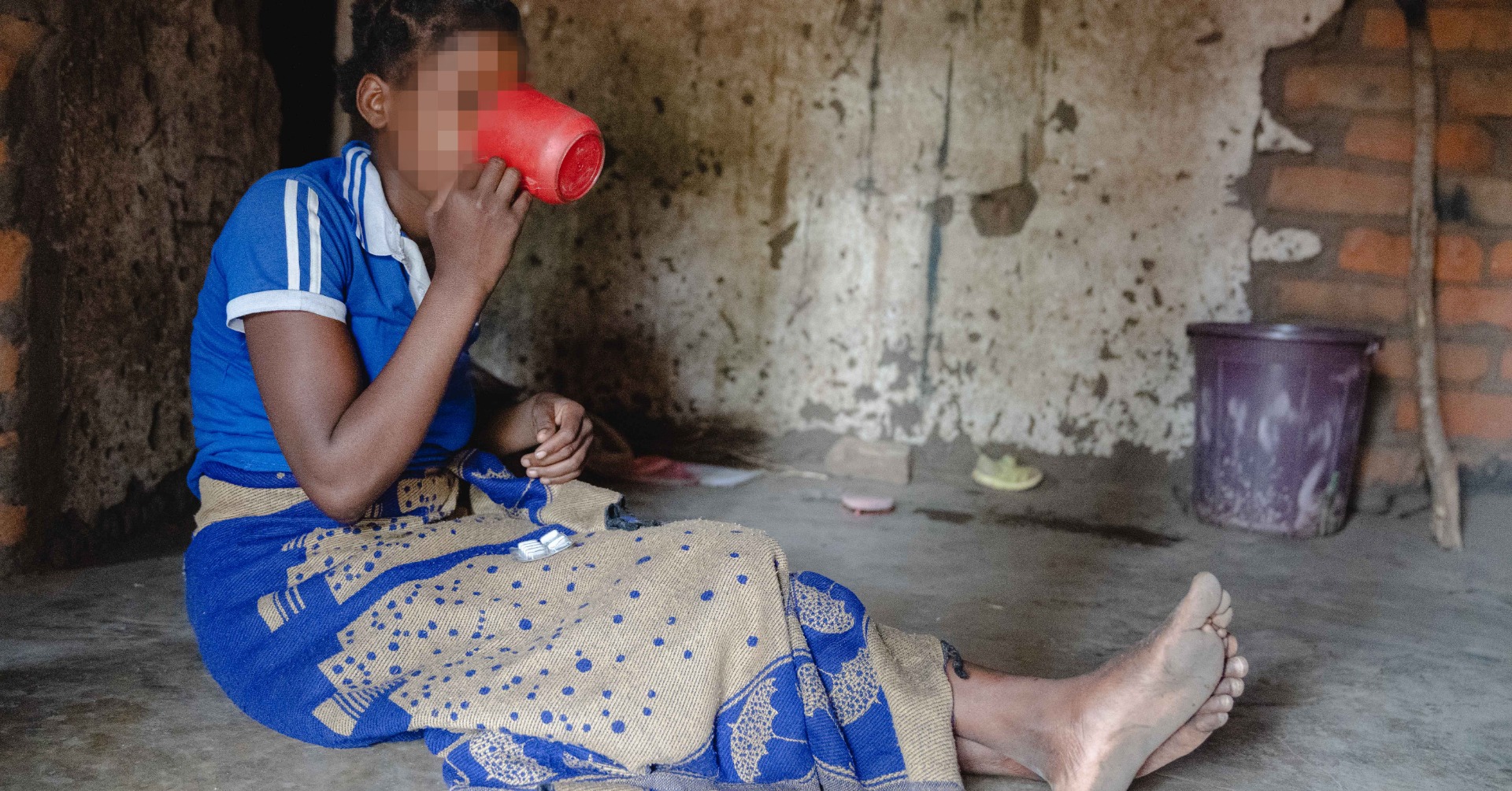
    “My husband did not know I was HIV positive. I first knew this status when I took my first child, who was almost one-and-a-half years old, to the health centre where a routine check revealed I was HIV positive. The child’s result came back negative,” she says.

    During her pregnancy with her first-born child, she had attended antenatal clinics and had tested negative for HIV on all occasions.

    However, after testing positive over one year later, she felt an overwhelming urge to confide in her husband about her condition. But instead of revealing her status, she simply motivated him to take an HIV test and take care of his health.

    “He refused to go for a test, saying he was afraid he would soil himself if he tested positive. So, I let it slide, hoping he would find it within himself to make that decision,” she says.

    She then started taking ARVs behind his back, but along the way, she defaulted.

    “After I stopped taking ARVs I had constant headaches,” she says. Her headaches, one suspects, resulted from the weight of her secret taking a toll on both her mind and body.

    Tropical Cyclone Freddy upended her life further after their house collapsed and everything, including her hospital cards, got destroyed. The roads were also impassable. She was also pregnant with her second child.

    “We had no food in the house, so I didn’t know what to take the drugs with even if I succeeded in getting them,” Madalitso explains.

    Amidst the chaos caused by the cyclone, Patricia Chikopa, the site coordinator for Mother2Mother initiative at Namphungo Health Centre in Mulanje, took it upon herself to search for individuals who may have unintentionally missed their antiretroviral therapy (ART) due to the devastating catastrophe.

    “When we checked hospital records at the ART clinic after the cyclone, we realised that one of our clients was 65 days behind schedule. We referred the case to our colleagues working in the community to reach out to her and find out her problem,” she says.

    Annie Kaira, the mentor mother in Madalitso’s community, went above and beyond to connect with and assist Madalitso in her journey.

    “Her excuses for missing her appointments were the impact of the cyclone and fear of her husband as he was not aware of her status. When we disclosed her condition to him, he was surprised and disappointed that she had kept this to herself. We managed to persuade him to get tested as well. He went to the clinic the following day where he tested negative for HIV,” Kaira explains.

    Chikopa, Kaira, and their team offered him guidance, particularly on how to maintain a healthy family dynamic and prevent any future cases of default by Madalitso.

    “As a mother mentor at the facility, I was happy with the outcome. Madalitso has since never missed an appointment and we have visited the family twice to provide them with moral support,” Chikopa says.

    Madalitso’s situation is just one example of the numerous sero-discordant couples in the area whose families remain strong and united, even after revealing their different health statuses.

    “Because of the counsel we give them, most of such spouses are supportive of each other. Some even come to the facility to get drugs for their partners or even bring their children to the facility,” Chikopa explains.

    Madalitso is grateful to the mentor mothers for allaying her fears and bringing her family together.

    “The mentor mothers have been incredibly supportive by frequently visiting us. My husband has also been a great source of support to me. He reminds me every single day to take my medication. Thanks to this, I have regained my strength and can now engage in activities like farming,” Madalitso states.

    Both her children tested negative for HIV.

    With financial support from UNICEF, Mother2Mother implemented an emergency response project from April to September 2023 in Chiradzulu and Mulanje, with the aim of identifying vulnerable populations and people living with HIV, and refer them for testing and services, support client initiation on ART, and provide adherence counselling for retention in care.

    The project also aspired to support access to critical maternal and child health, development and social services as well as create demand for and facilitate access to sexual and reproductive health (SRH) services.

    The project deployed 58 community health workers to provide emergency response services using a family-centred approach at health facilities, community, camps for internally displaced persons and household-level in Chiradzulu and Mulanje districts.