
By Watipaso Mzungu:
Malawi and other African countries have demanded an end to empty promises on noncommunicable diseases (NCDs), mental health conditions and injuries.
The countries made the demand at a continental meeting, which took place in Addis Ababa, Ethiopia.
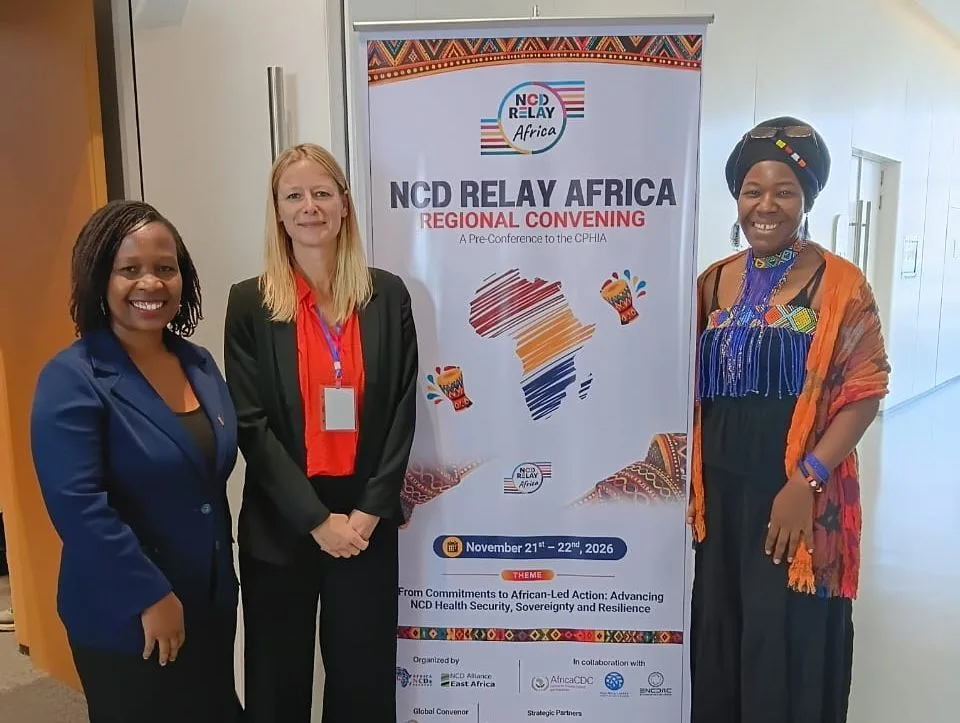
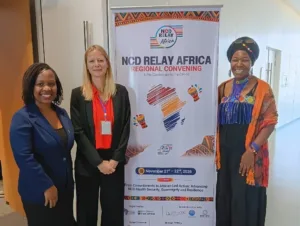
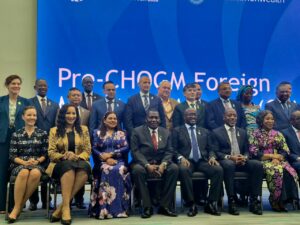
The NCD Alliance Malawi, represented by Modester Chingadza who Project Coordinator of the Alliance, she participated in the inaugural NCD Relay Africa Regional Convening held from 21 to 22 November 2026, as a pre-conference event ahead of the Conference on Public Health in Africa (CPHIA).
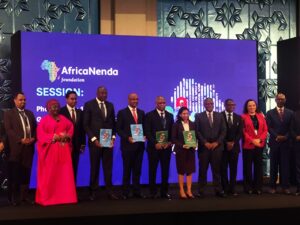
The convening brought together approximately 130 delegates, including civil society organisations, people living with NCDs, young leaders, government representatives and development partners.
Participating institutions included the World Health Organization (WHO), Africa Centres for Disease Control and Prevention (Africa CDC), and the NCD Alliance Global team.
Held under the theme “Turning commitments into action”, the meeting provided a platform for strengthening collaboration, sharing experiences and advancing advocacy for the prevention and control of noncommunicable diseases, mental health conditions and injuries (NCDIMH) across Africa.
One of the most alarming issues highlighted during the discussions was the growing burden of NCDs and injuries across Africa. According to Global Burden of Disease (GBD) 2023 estimates presented at the convening, NCDs accounted for approximately 4.7 million deaths in Africa in 2023, representing a substantial proportion of the continent’s overall mortality.
Injuries also contribute significantly to preventable deaths and disability. The figures, delegates said, reinforce the urgent need for comprehensive prevention strategies, increased investment and stronger health systems to address the broader NCDIMH agenda.
Keynote presentations identified high blood pressure, unhealthy diets, tobacco use and air pollution as main contributors to premature deaths. Delegates emphasised the need to prioritise prevention and control of modifiable risk factors, while also strengthening mental health services and injury prevention interventions.
Over the two days, discussions focused on six critical areas for advancing the NCDIMH agenda. These were sustainable financing through increased domestic resource mobilisation to address NCDIMH priorities and community needs instead of over-reliance on donor funding, stronger prevention policies through advancing effective policies, strategies and frameworks for NCDIMH prevention and management, integration of essential NCD services into primary healthcare systems to advance Universal Health Coverage (UHC), enhanced collaboration and accountability and coordination among civil society organisations, improving the availability, affordability and accessibility of essential NCD medicines, and developing a regional advocacy roadmap to advance NCDIMH priorities and strengthen collective action.
The sessions featured keynote presentations, panel discussions moderated by different experts, testimonies from people living with NCDs, group discussions and capacity-building activities.
The contributions and experiences shared by participants informed the development of the regional NCDIMH advocacy roadmap, identification of key policy priorities and the development of an action plan.
During the final session, the draft Addis NCD Relay Declaration was presented and reviewed by participants, who provided feedback and recommendations for improvement.
The final version, incorporating participants’ contributions, is expected to be released on Friday, 27 November 2026, during CPHIA.
The convening also provided NCD Alliance Malawi with an opportunity to strengthen its capacity in media engagement, collaboration and advocacy. Through the Africa NCD Network (ANN), participating Alliance members will have opportunities to access media resources, tools and continued technical support.
Members were encouraged to identify media personnel within their respective countries who could benefit from capacity-building support provided by the ANN media team. The initiative aims to strengthen the capacity of media professionals to effectively document and share the stories of people affected by NCDs, mental health conditions and injuries, raise public awareness and highlight NCDIMH-related initiatives across Africa.
Participants were also encouraged to share updates and content from the convening through a WhatsApp group established during a team-building session, to sustain engagement beyond the meeting.
Another important takeaway was the need for a stronger multisectoral approach. Discussions highlighted that many factors contributing to premature deaths and disability extend beyond the health sector, including air pollution, tobacco use, harmful alcohol consumption, unhealthy diets and road traffic injuries.
Addressing these challenges, delegates said, requires coordinated action across health, transport, agriculture, environment, education and other sectors.
NCD Alliance members were also encouraged to join the Africa NCD Network (ANN), which provides an opportunity for enhanced collaboration, knowledge sharing and collective advocacy. Eligibility requirements include having at least ten members within their respective alliances and being a legally registered organisation in their country of operation.
Alliances that are not yet registered are expected to complete registration within a specified timeframe, as guided by the network’s requirements.
The convening marked the inaugural regional NCD Relay meeting, with Africa officially passing the baton to the next region, Latin America, as the relay continues towards its 2028 milestone, when the African region is expected to reconvene.
The symbolic handover, organizers said, reinforces the importance of sustained regional and global collaboration in maintaining momentum and translating commitments into meaningful action towards reducing the burden of NCDIMH.
For NCD Alliance Malawi, the meeting was an opportunity to contribute to regional discussions, strengthen advocacy capacity, build partnerships and identify opportunities for increased engagement in the NCDIMH movement.
The outcomes, the Alliance said, provide a foundation for translating regional commitments into practical actions that respond to the needs of communities and people affected by NCDs, mental health conditions and injuries in Malawi.
Moving forward, sustained collaboration, increased domestic investment, stronger accountability and a multisectoral approach will be essential in advancing NCDIMH prevention and control across Malawi and the African region.

































Comments
No comments yet. Start the conversation.