Category: Education

  • Africa’s Ministers of Education rally to resolve the learning Crisis

    Africa’s Ministers of Education rally to resolve the learning Crisis

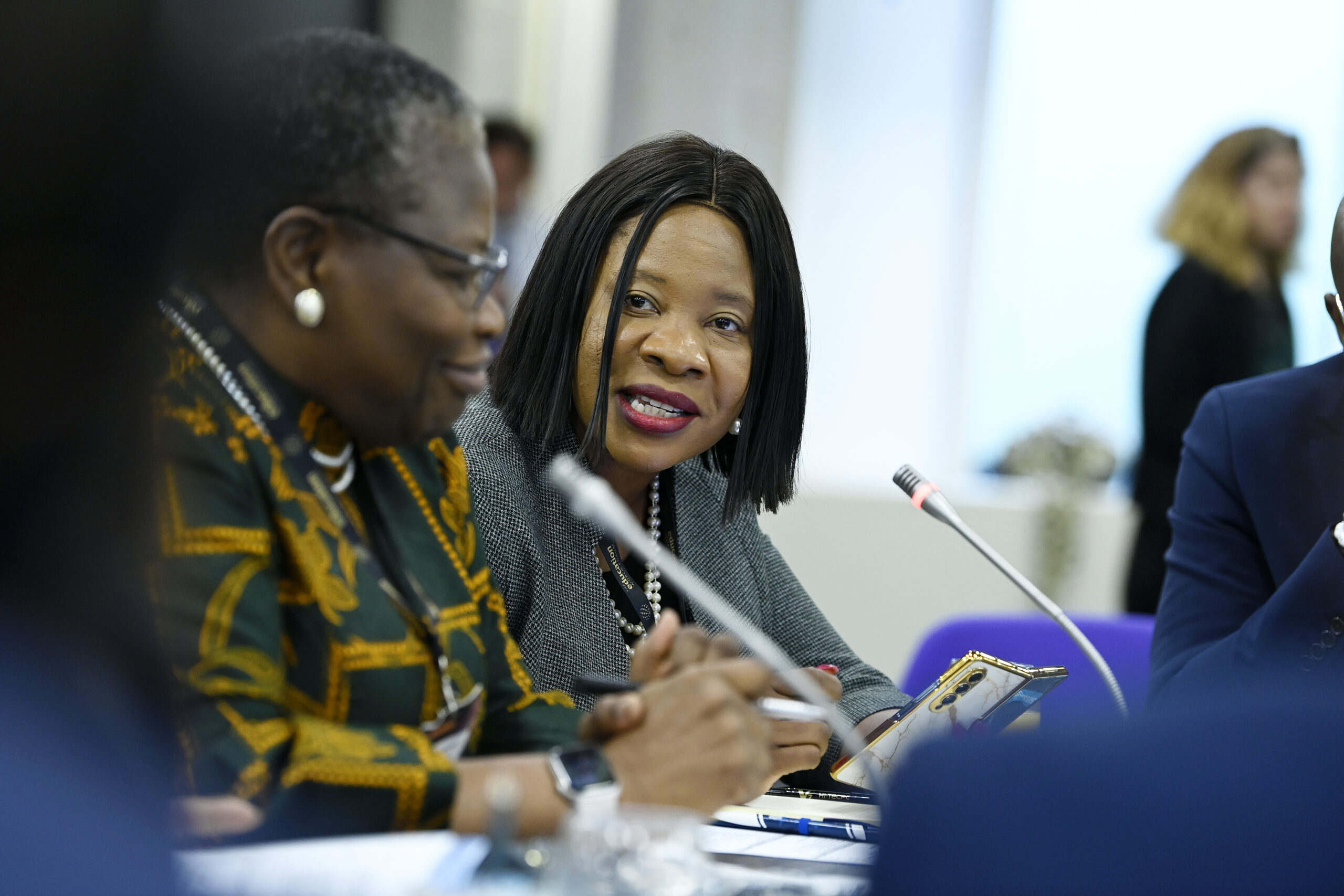
    Education Ministers in Africa meeting during the 2024 Education Forum in London in underscored a renewed commitment to tackling the continent’s learning crisis, a statement from Human Capital Africa, an organization that uses evidence to mobilize governments to take action to improve foundational literacy and numeracy outcomes for children in Sub-Saharan Africa, says.

    Latest data on foundational learning outcomes paints a grim picture, indicating, nine out of every ten African primary school students lack basic literacy and numeracy skills.

    The ministers meeting during a breakfast organized by HCA in corroboration with Foreign, Commonwealth, and Development Office (FCDO) and the Association for the Development of Education in Africa (ADEA), agreed to address this learning crisis as a matter of utmost urgency.

    “This crisis hampers academic progress, exacerbates education disparities, and undermines students’ readiness to join the workforce and stifles national and continental socio-economic growth,” reads the statement.

    The ministers highlighted that this challenge is compounded by insufficient teacher training, resources, and incentives, especially in rural areas.

    Malawi’s Minister of Education, Madalitso Kambauwa-Wirima, stressed the importance of development partners adopting a unified approach to foundational learning reform, urging them to move away from the fragmented, cherry-picking strategies frequently used.

    Kambauwa-Wirima shared Malawi’s comprehensive five-strand foundational learning strategy which is aimed at improving foundational learning outcomes to 79 percent by 2030.

    “The Strategy targets five critical areas of foundational learning reform, namely: increasing support to teachers in Standards 1-4, enhancing teacher training and deployment, curriculum redesign and resource improvement, expanding school feeding coverage, and digitalising education through integration of educational technologies.,” said Kambauwa-Wirima.

    According to the Minister, a national foundation learning steering committee in Malawi was established to ensure accountability and track progress in implementing Malawi’s foundation learning reforms.

    During the meeting it emerged that African leaders were taking ownership of the learning crisis. Echoing Minister Kambauwa-Wirima’s sentiments, African leaders called on development partners and stakeholders to expand successful foundational learning initiatives, such as structured pedagogy and Teaching-at-the-Right-Level (TaRL), and to implement integrated programs to ensure cost-effectiveness and impactful delivery.

    Ministers and partners pledged to continue championing foundational learning reform and scaling of successful interventions during the African Union Year of Education, with upcoming commitments at the AU Mid-Year Coordination Meetings scheduled for July 2024 in Accra, Ghana, and the FLEX ADEA High-Level Policy Dialogue in November 2024 in Lusaka, Zambia.
  • MP Hails MACRA’s Connect-A-School Project

    MP Hails MACRA’s Connect-A-School Project

    Member of Parliament for Blantyre City South, Noel Lipipa, has praised the Malawi Communications Regulatory Authority’s (MACRA) Connect-A-School project, describing it as key to the foundation of digital education in Malawi.

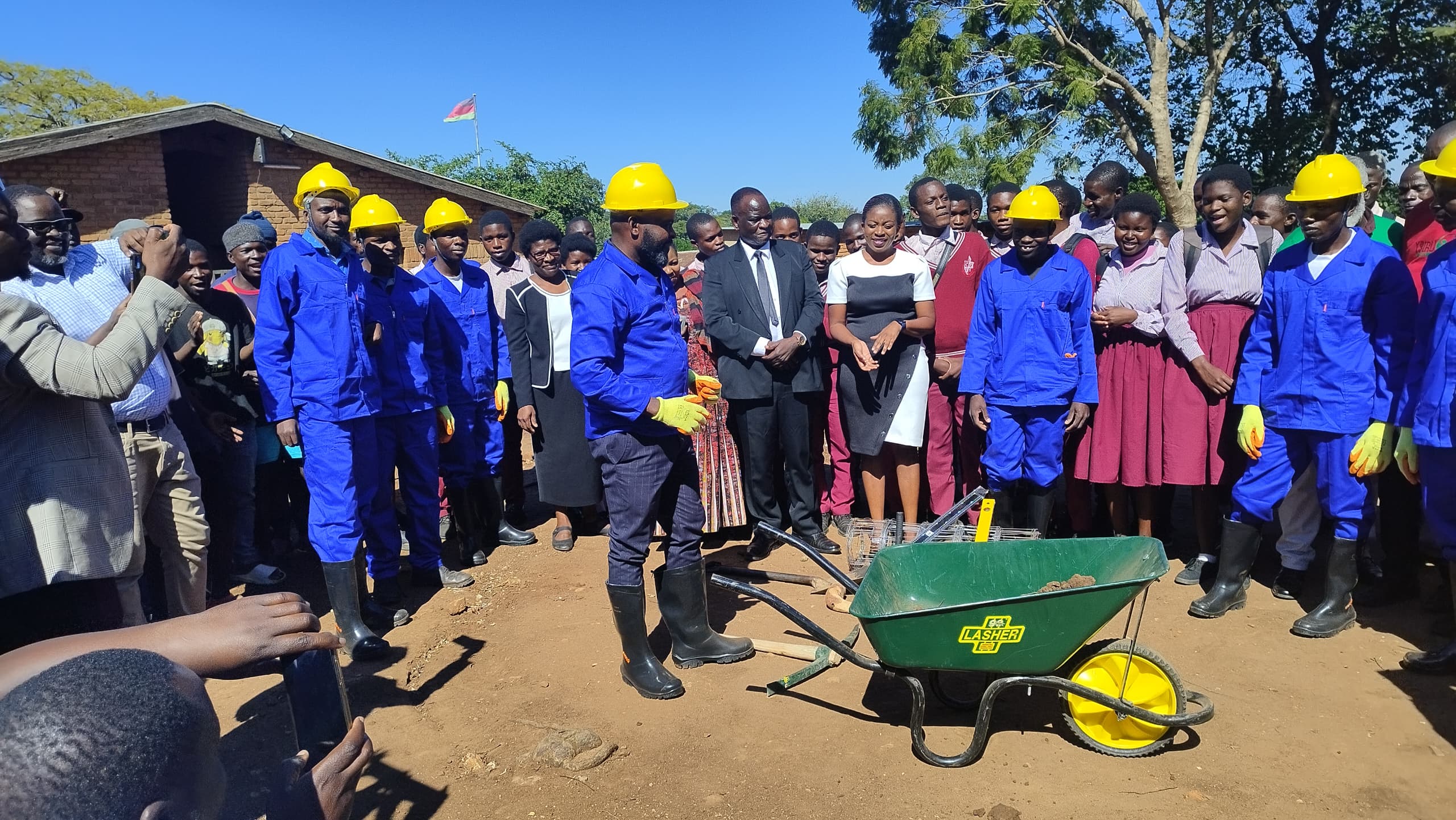
    Speaking during the official groundbreaking for the construction of Zingwangwa Secondary School’s lab, Lipipa said the initiative is a crucial step toward equipping students with the necessary tools and skills for the digital age.

    Zingwangwa Secondary School, the only conventional secondary school to benefit from the initiative, will soon see the establishment of a state-of-the-art ICT computer laboratory.

    The Connect-A-School project, funded by the Universal Service Fund (USF), aims to bridge the digital divide by setting up ICT labs in 75 schools: 73 community day secondary schools, one national government secondary school, and one pilot primary school.

    MACRA’s Economic Regulations Manager, Linda Kambale emphasized that digital access is a fundamental right for all.

    She noted that the initiative aligns with the Malawi 2063 vision for a digitally empowered nation and includes curriculum updates to incorporate coding and computer science, alongside teacher training in ICT skills.

    “The Connect-A-School project is a catalyst for driving digital access and adoption in our education sector,” Kambale said.

    The 2023 National Survey on Access and Use of ICTs revealed a significant urban-rural digital gap in Malawi.

    Each lab will initially receive 20 computers and internet connectivity for three years.

    Zingwangwa Secondary School’s Headmaster, Mr. Stevie Nkungala, expressed his enthusiasm for the project.

    “The construction of these computer labs will enable our school to upgrade our makeshift computer labs.This will give us access to modern tools and resources essential for success in today’s digital age,” he said.

  • PSLCE starts on a high note – Deputy Minister

    PSLCE starts on a high note – Deputy Minister

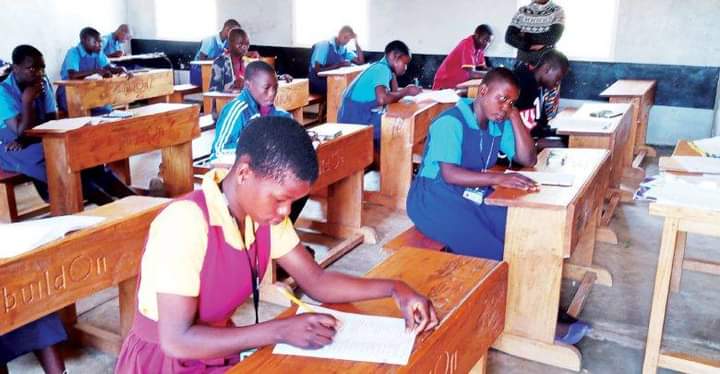
    Deputy Minister of Education, Nancy Chaola Mdooko says the 2024 Primary School Leaving Certificate Examination (PSLCE) have started on a high note, with no news of leakages and other examination malpractices.

    Speaking when she inspected Makawa and St Charles Luwanga Primary School Cluster Centres in Mangochi as part of her monitoring tour, Mdooko said the ministry expects this year’s results to be better than those of the previous year as there were no learning disruptions, unlike last year when schools were affected by cyclone Freddy.

    “In terms of preparation for these examinations, candidates were given more learning as well as study time for the examinations. Examination rooms have been prepared well to host candidates, in term of furniture, spacing, lighting and warmth,” she added.

    A total of 262,216 candidates registered for this year’s PSLCE of which 127, 521 are boys, while 134,695 are girls.

    Reported by Mphatso Nkuonera, PRO Ministry of Education

  • Education sector yields bumper harvest from 35 years of Malawi — Iceland bilateral relations

    Education sector yields bumper harvest from 35 years of Malawi — Iceland bilateral relations

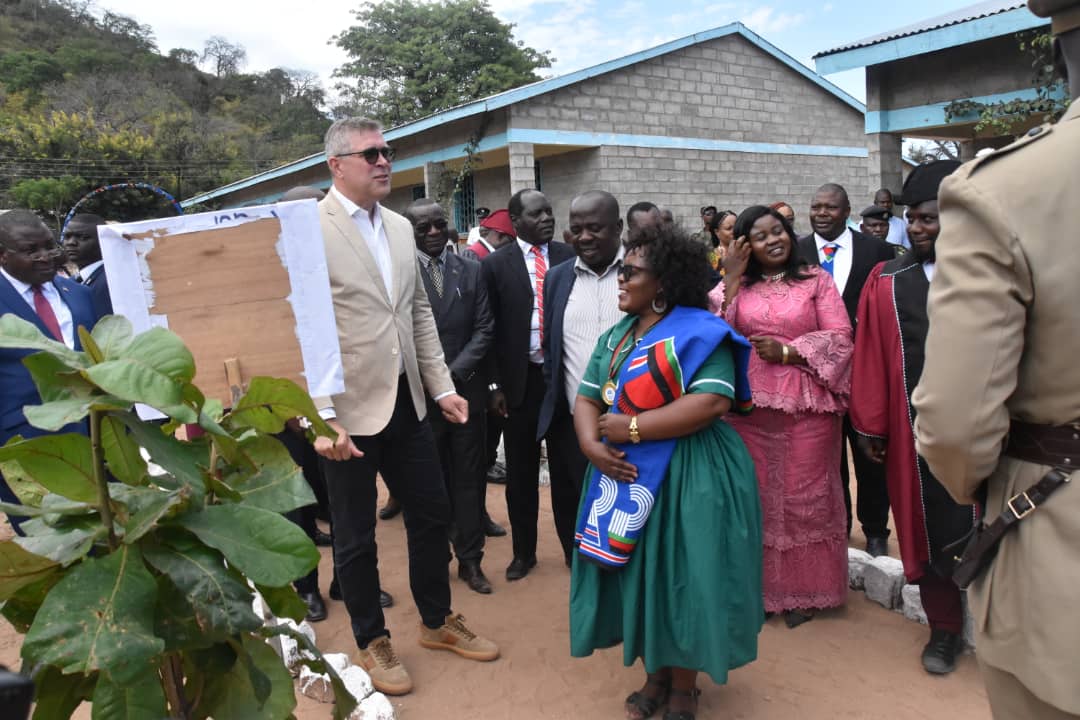
    The Prime Minister of Iceland, Bjarni Benediktsson visited Koche Model Primary school in Mangochi District on Tuesday, where he inspected some of the projects his Government is co-funding with the Malawi Government.

    Deputy Minister of Education, Nancy Chaola Mdooko applauded the cordial relations between the two Governments that saw the implementation of multiple projects in the education sector that are existing in various corners of the country, adding they (the projects) are serving humanity.

    At Koche, an institution with an enrollment of over sixty thousand learners, the Icelandic people have constructed nine twin-classroom blocks, administration block, eight modern teachers houses, water kiosks and a resource room.

    The Icelandic Prime Minister then proceeded to inspect other projects being constructed in various sectors that were funded by the Icelandic people in the district.

    In Mangochi alone, the Icelandic Government is also funding the construction of new Mangochi one storey Council building and a maternity wing at Mangochi District hospital.

    On Monday, the Malawi leader, President Dr Lazarus MacCarthy Chakwera, hosted the Icelandic Prime Minister at Kamuzu Palace in Lilongwe where they held bilateral talks in celebration of the thirty -five year period of cordial relations.

    Deputy Minister of Education, Nancy Chaola Mdooko and Minister of Local Government, Unity and Culture, Richard Chimwendo Banda and Minister of Foreign Affairs, Nancy Tembo welcomed the Icelandic leader on arrival.

  • Over 600 000 students register for 2024 examinations

    Over 600 000 students register for 2024 examinations

    At least 611, 144 students across all regions of Malawi are expected to sit for the 2024 national examinations, Malawi National Examination Board (MANEB) has announced.

    MANEB on Thursday released a statement saying everything is in place for the Board to administer examinations from 22nd May to 26th July 2024 with Primary School Leaving Certificate of Education (PSLCE)examinations from 22nd May to 24th May 2024, Junior Certificate of Education (JCE) examinations from 4th June to 13th June 2024 and Malawi School Certificate of Education (MSCE) examinations from 2nd July
    to 26th July 2024.

    This year’s registration of candidates was conducted from 17th September to 31st December
    2023, with an extension of four days from 9th to 12th January 2024.

    Registration and payment of examination fee contributions were done online through MANEB e-registration and e-payment systems. All MANEB-approved examination centers have access to online portals where they register
    candidates, generate invoices and confirm examination fee payments made by candidates.

    “Registration of a student is completed upon payment of examination fee contributions. The online payment of examination fees for the 2024 examinations was done through several e-payment platforms including Mpamba, Airtel Money, National Bank Mo626, NBS Eazy Bank, Standard Bank Unayo, First Capital Bank, and FDH digital banking facilities,” reads the statement in part.

    Similar to 2022 and 2023, more female candidates have registered to sit for
    PSLCE and JCE examinations than male candidates. The trendhas has also been the same for MSCE where more male candidates register and sit for the examinations compared to female candidates.

    At the PLSCE level, 262, 216 learners are expected to sit for examinations with 134, 695 being females 127, and 521 being males. JCE will accommodate 163, 950 learners with 84, 226 being females and 79, 724 being males. 184, 978 learners will sit for this year’s MSCE examinations with 88,191 being females while 96,787 are males.

    MANEB to provide enough security during Exams

    As one way of preparing for the exams, MANEB held interface meetings with different stakeholders in preparation for the administration of the 2024 examinations, Including District Education Managers, state security agencies (Malawi Defence Force and Malawi Police
    Service), Teachers Union of Malawi (TUM), Malawi Secondary School Head
    Association(MASHA), Independent Schools Association of Malawi (ISAMA), Private Schools Association of Malawi (PRISAM), and Secondary School Teachers
    Union (SESTU).

    “During the meetings, a review of issues encountered in the 2023
    examinations administration was conducted. The stakeholders also participated in planning for the administration of the 2024 examinations,” said MANEB Executive Director, Dr Dorothy Nampota.

    The Board assured security during the administration of the exams as they said that they would continue to work with the state security agencies, Malawi Defence Force (MDF), and Malawi Police Service(MPS).

    “MDF and MPS will undertake their mutually agreed roles as follows: MDF will secure all examinations storage facilities while MPS will be providing security in all examination centers. In preparation for the examinations, the three-year Memoranda of Understandings, which will run from 2024 to 2026, was signed between MANEB and MDF, and MANEB and MPS,” she adds.

  • Magodi Christian Private School produces chlorine to control waterborne diseases

    Magodi Christian Private School produces chlorine to control waterborne diseases

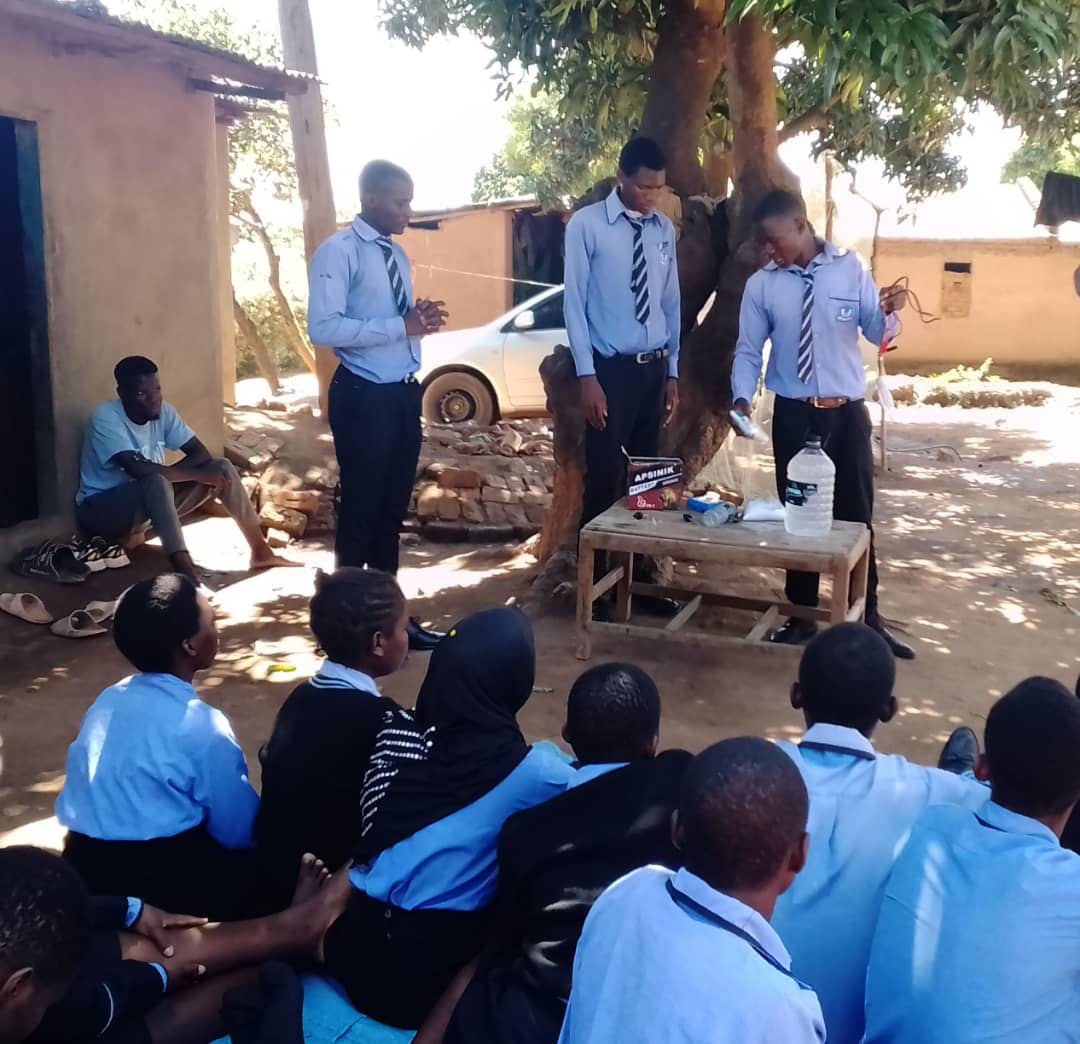
    Sanitation is expected to improve in the areas of Group Village Headman Hilario in Area 44, Lilongwe, thanks to students from Magodi Christian Private Secondary School, who are producing and distributing free chlorine in the area.

    The owner of the school, Bishop William Mandhlopa, says the students were trained by their Mitundu based partners Abundant Life Centre on how to produce chlorine using locally available resources.

    Mandhlopa believes the initiative will go a long way in reducing the risk of waterborne diseases like cholera and diarrhea, in the area and other surrounding townships.

    “This is very important because it will create a healthy community. Students will be able to attend classes regularly because the risk of contracting waterborne diseases will be reduced” said Mandhlopa

    A Science teacher at Magodi Christian Private Secondary School, Rodgers Banda who leads chlorine production trainings for students described the process as very simple and has called upon the communities to utilize the opportunity of having chlorine producers around them.

    “It’s a very simple process, you just need to place an object called Chlorine Production Unit (CPU) into a bottle consisting of 5 liters of water and 16 tea spoons of table salt, then after 24 minutes iodine will evaporate and only chlorine will remain in the bottle”

    “With current financial challenges, I would like to encourage the communities here to make use of this opportunity by learning how to produce chlorine or invite us, we are always available to help control the spread of waterborne diseases for free” said Banda

    On his part, Group Village Headman Hilario has hailed the school for the initiative, saying it help to contain the Cholera problems, after admitting that they have been a problem in the area.

  • FDH Bank, MUBAS signs MoU on Graduate Start-ups program

    FDH Bank, MUBAS signs MoU on Graduate Start-ups program

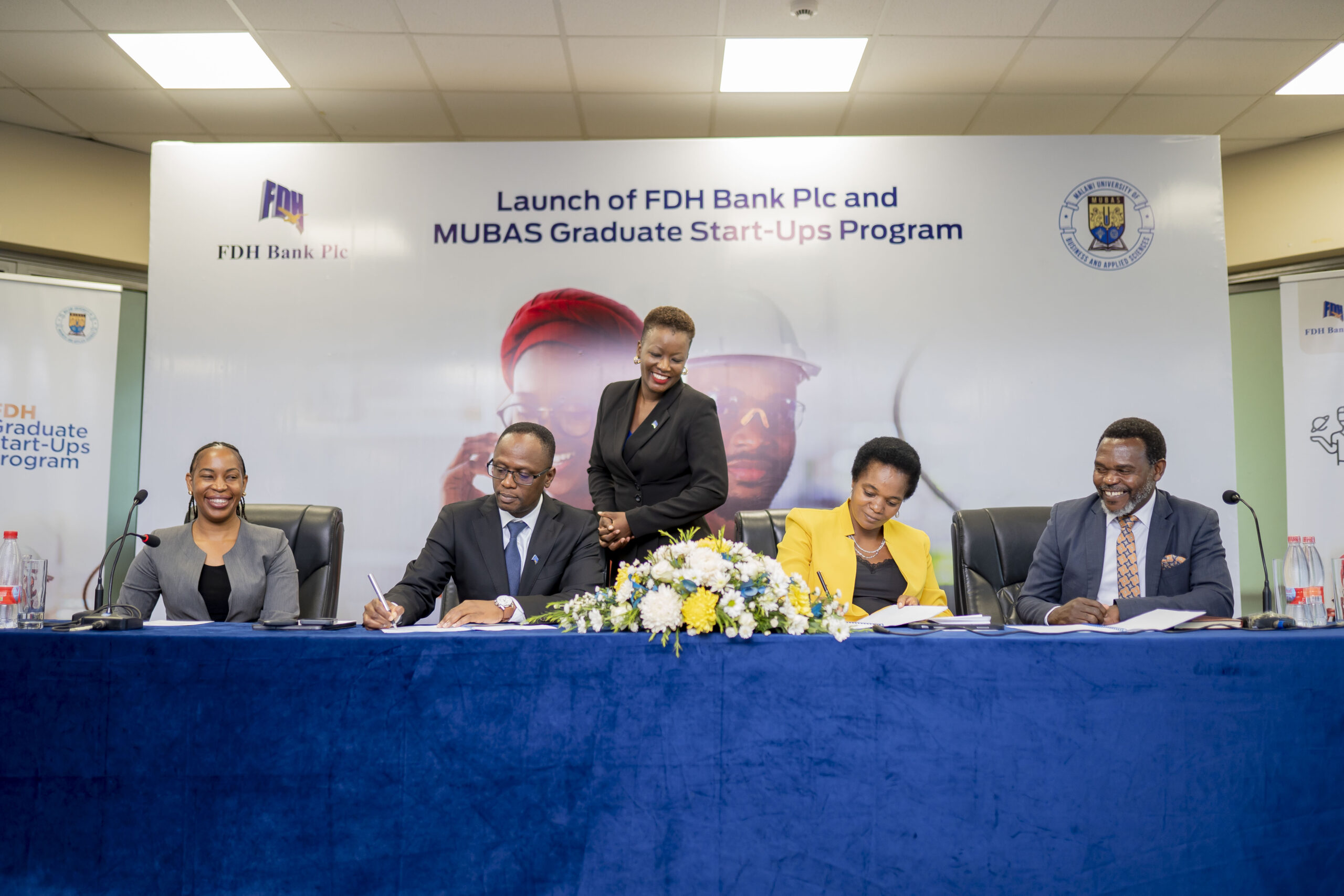
    FDH Bank and the Malawi University of Business and Applied Sciences( Mubas) have signed a long-term Memorandum of Understanding (MoU) that will see the Bank supporting final year students with business start-ups.

    FDH Bank, in 2021, initiated a business entrepreneurship concept dubbed ‘Graduate Start-ups’ targeting Mubas final year students to finance their entrepreneurial ideas and concepts.

    The Bank and Mubas officials signed the MoU on Tuesday in Blantyre, where the Graduate Start-ups program will set up a Trust Fund for the sustainability of the program.

    In her presentation to the final year students, FDH Bank Senior Manager for Strategy Potamira Kumpumula took them on the processes that could qualify them for financing which include forming groups of like-minded individuals of four to seven to develop innovative and viable business plans that solves real economic problems by also identifying viable marketing opportunities.

    After developing the innovative ideas and business plans, the graduates are to present the plans to a special taskforce consisting of  FDH Bank and MUBAS financial experts which will scrutinize them and offer guidance where loopholes are identified, according to Kumpumula.

    “Once the business concept is approved, the bank will guide the beneficiary groups through a financial mentorship programme before being granted the loan at subsidized 5% interest, with a one-year repayment holiday.”

    “The loan shall not be deposited into the beneficiaries’ bank accounts but FDH Bank shall be paying for costs of the assets and other needs directly to suppliers up until their businesses become self-sustaining,” said Kumpumula.

    FDH Bank Deputy Managing Director George Chitera who championed the program back in 2021, impressed on the final year students to think outside the box and not to just expect to be employed because the employment opportunities are shrinking.

    “Malawi is poor because we do not produce, we need to change our mindset and start producing because as long as we are not exporting, we shall remain poor. We should not rely on the government to produce goods for exports, it is up to us as citizens to be innovative by creating companies that produce and at the same time create jobs.”

    “All these corporate companies we have were born out of the entrepreneurship concept. It is not easy to create a business plan but every challenge has got a solution,” said Chitera.

    In her remarks, MUBAS Vice-Chancellor, Nancy Chitera described the program as unique and in line with the MW2063 national vision of Inclusively Wealthy and Self-Reliant Nation as it calls for a shift in focus on entrepreneurship.

    “Our partnership with FDH Bank is growing into something very economically huge that involves young minds to be part of the process enshrined in the MW2063 vision. We must utilize all opportunities by solving any challenges that can be met. Mindset change is not just dreaming of getting a job but to become an employer,” said Chitera.

    Five business ideas were identified as viable and were taken up for further mentorship and assessment which led to one business, Rise and Shine Primary School in Mulanje to be successfully launched in 2022 with the help of the Bank.

  • Ministry Reviews School Rules and Regulations Policy

    Ministry Reviews School Rules and Regulations Policy

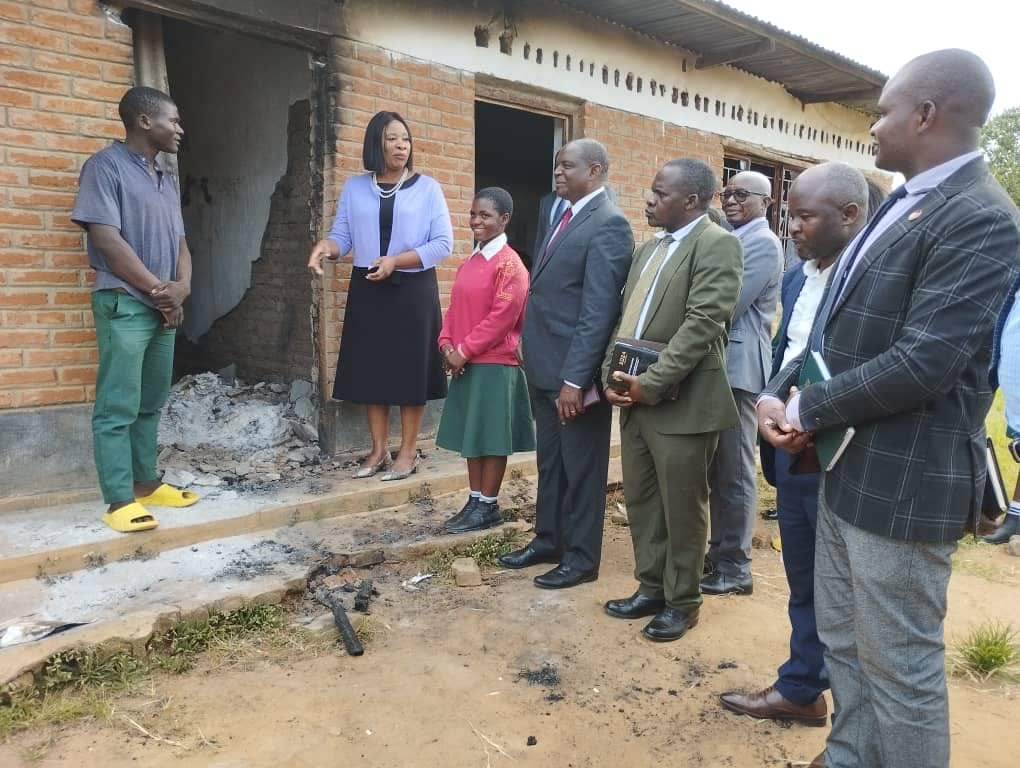
    Ministry of Education is reviewing the School Rules and Regulations policy following the continued acts of violence by students in the country’s secondary schools.

    Minister of Education, Madalitso Kambauwa Wirima says they will empower the new policy to be deterrent to further acts of vandalism.

    “The policy will be punitive enough and will bar such ill-mannered students from being perpetrators of vandalism in public schools. We have lost teaching and learning materials wealth billions of kwachas in the nine secondary schools which have suffered hugely due to riots,” she explained.

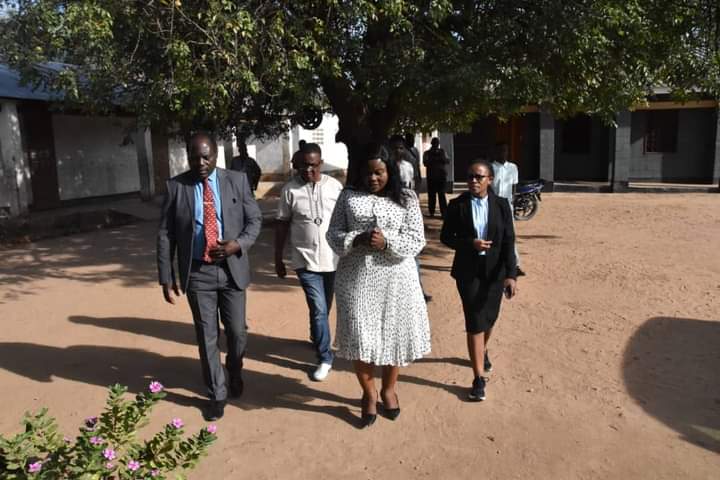
    Wirima was speaking on Tuesday afternoon in Mchinji following the riots that occurred at Kamwanya Community Day Secondary School (CDSS) on Sunday which left thirteen students with minor injuries.

    “I came to see the impact of the vandalism for myself. It’s a sorry sight that has proven to be one of the worst riots and very retrogressive.

    “Where is dialogue when such violence occured? Where is humanity when such barbaric acts were being orchestrated by them?” She wondered.

    “Let me remind students across the country that ‘Human Rights’ go with responsibility, otherwise you impinge on other people’s rights too,” added Wirima.

    The Minister also directed that teaching and learning should start at the school as authorities continue assessing the damage caused in order to establish the actual value of the property destroyed.

    In conclusion, she called upon parents and guardians, faith community, local leaders and traditional leaders to jointly fight against school property damage through riots that could be best handled through dialoguing.

    Ephraim Msanide, a Form 4 monitor who solely faced the squad of gangsters implored on other students at the school not to indulge in such destructive and criminal conducts that would unfairly ruin their future.

    “We used to have a library now it’s only ashes remaining, we have no text-books to read and yet exams are just a few months away from now. This situation is a great set back to good performance,” he said.

    Meanwhile, Civil Society Education Coalition (CSEC) has also condemned the reprehensible act of vandalism in schools and has advocated for stringent measures to hold perpetrators accountable, including criminal persecution, financial restitution for damages, and expulsion from public institutions.

    Malosa, St Don Bosco, Ntcheu, Khola and Robert Blake are some of the many schools that have been vandalised within a short period of time.

    Reported by Mphatso Nkuonera, PRO


  • Human Resource Assistant arrested over theft of K20.9m department’s property

    Human Resource Assistant arrested over theft of K20.9m department’s property

    Lilongwe Police over the weekend arrested a Human Resource Assistant at the Land Resource and Conservation Department of the Ministry of Agriculture at Area 3, on suspicion he stole gadgets and panga knives worth K20.9 million.

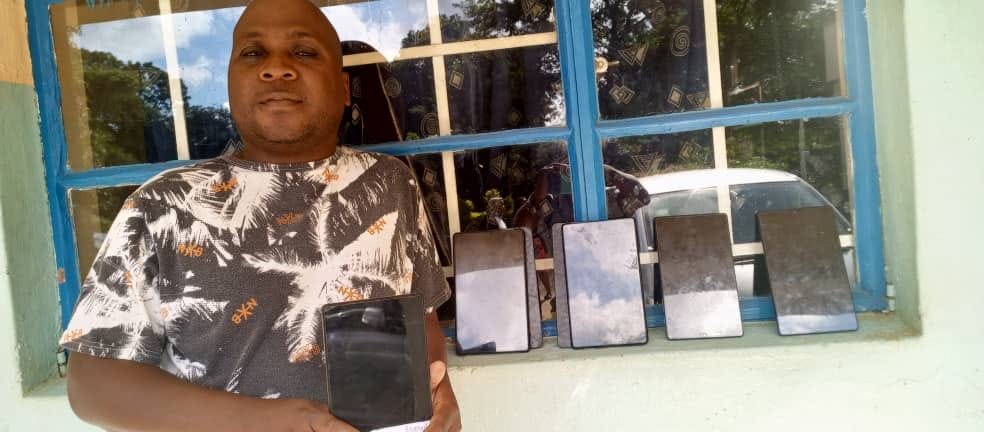
    Lilongwe Police public relations officers Inspector Hastings Chigalu the suspect,  Anthony Chimpale, 48, broke into the office of the department’s Senior Human Resource Assistant, and stole 75 Samsung Galaxy tablets, 7 tonners, 600 panga knives, all valued at K20.9 million between the months of July 2023 and February this year.

    He said Chimpale, 48, of Nkhwenembera Village, Traditional Authority Chiwere in Dowa District.

    “The owner of the victimized office reported to police after noticing that the items were missing following an audit, despite registering no physical breaking of the office for the culprits’ entry.

    “The stolen property was part of other valuable items the department is keeping for projects. A systematic investigation into the matter by the station’s detectives, located several users of the stolen tablets within Lilongwe. When detectives apprehended the users for questioning, they revealed to have bought the Samsung tablets from the suspect (Chimpale).

    “After his arrest, Chimpale admitted having broken into the said office on separate occasions using keys he illegally acquired specifically for a commission of the offence,” he said

    Police have so far recovered five tablets of the stolen property.

    “Efforts are still underway to recover the remaining 70 gadgets and other items.


    He will appear in court soon to answer a case of Breaking and Theft,” said Chigalu

  • NBS Bank Plc Introduces ‘Afana Oyaza’ Promo for University Students

    NBS Bank Plc Introduces ‘Afana Oyaza’ Promo for University Students

    In a significant move aimed at promoting the use of digital banking among university students, NBS Bank Plc has unveiled the ‘Afana Oyaza’ campaign which targets university students across Malawi, encouraging them to utilize the bank’s digital services for their financial transactions, particularly for paying their tuition fees.

    The campaign is open to students enrolled at the University of Malawi (UNIMA), Mzuzu University (MZUNI), Lilongwe University of Agriculture and Natural Resources (LUANAR), and Malawi College of Health Sciences (MCHS).

    Participants who pay their fees using the bank’s Eazy Bank digital platforms are entered into a competition to win various awards, with the grand prize being a full year’s tuition covered by NBS Bank.

    NBS Bank Chief Retail Officer Victoria Chanza, highlighted the bank’s commitment to enhancing educational access through digital banking solutions emphasizing on the  convenience of paying fees via smartphones, the Eazy Wallet mobile wallet, and the Bank Pafupi agency banking platforms.

    “As the ‘Caring Bank,’ we are devoted to the advancement of education. This campaign is part of our efforts to ensure students have seamless access to education through our digital channels,” said Chanza.

    She said the promotion is not only about easing the fee payment process but also includes exciting prizes like laptops, smartphones, and NBS Bank-branded merchandise, such as t-shirts, pens, and wristbands.

    “The ‘Afana Oyaza’ campaign represents a forward-thinking approach to integrating digital banking services within the educational sector, offering tangible benefits to students while fostering a digital-first mindset,” said Chanza.

    Endorsing the initiative, Steve Omar, Entertainment Director at Mzuzu University, described ‘Afana Oyaza’ as a beneficial and welcome development for the student community.

    “This campaign offers significant support to university students, and we hope for NBS Bank Plc’s continued involvement each semester to make a meaningful difference in students’ lives,” said Omar.