
By Patrick Kawonga:
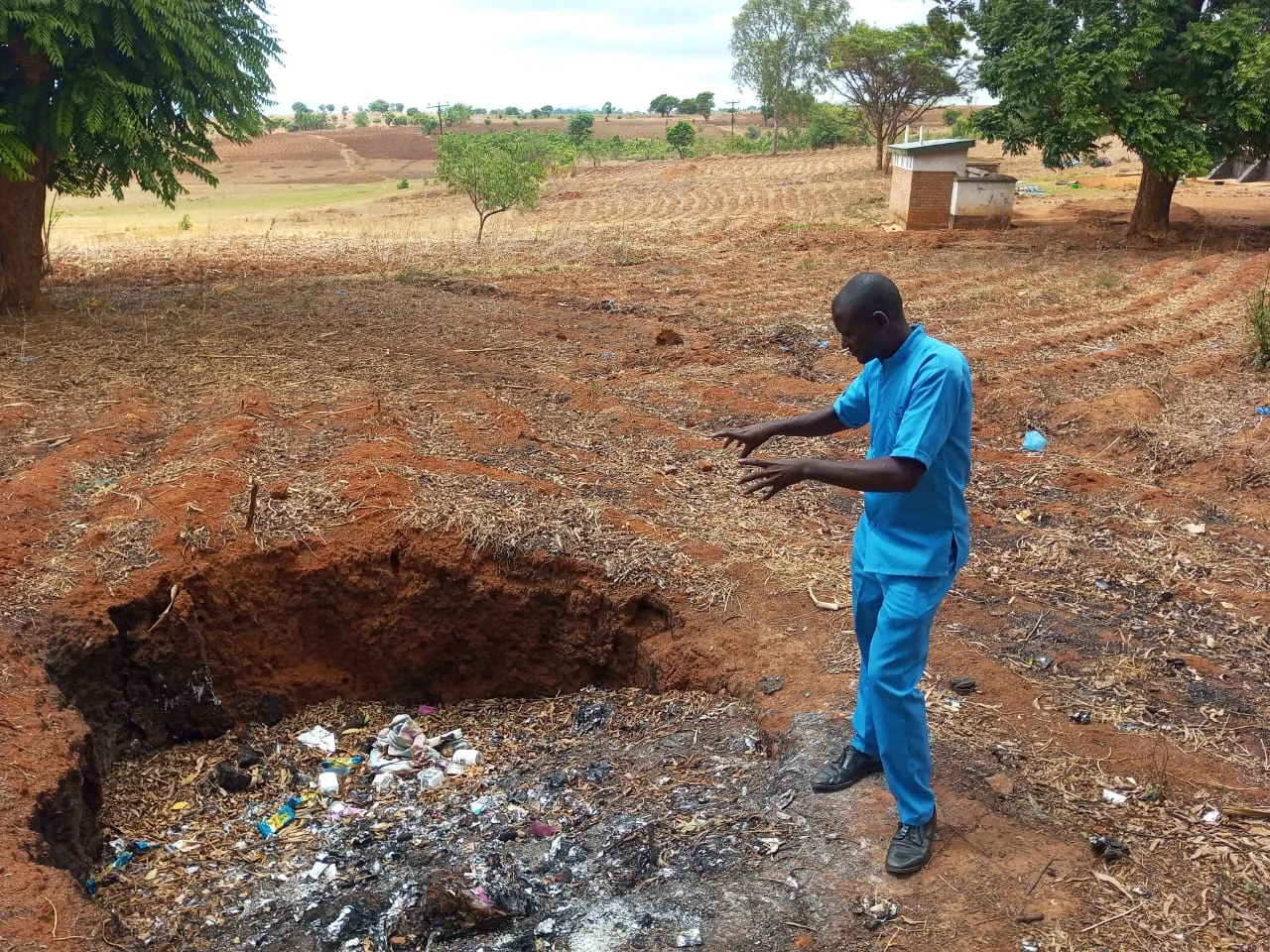
A patient walks into a health facility expecting healing. Instead, she may find a broken toilet, a dry handwashing station, or no private place to manage her dignity. In Malawi, the evidence shows that this is not an isolated experience. It is a systemic gap in the very places meant to protect health.
Quality healthcare is not only about doctors, nurses, medicines and equipment. It also depends on clean toilets, reliable water, proper waste management and functioning hygiene services. Without them, the hospital itself can become a source of harm.
THE SCALE OF THE GAP
The most recent estimates from the WHO and UNICEF Joint Monitoring Programme (JMP) paint a stark picture. In 2025, only 16 per cent of health facilities in Malawi had basic sanitation services, according to the 2026 JMP report. A further 73 per cent had limited services, while 11 per cent had no sanitation service at all.
This means that 84 per cent of facilities did not meet the full basic sanitation standard. It does not mean that all of them had no toilet. Some had improved latrines but lacked the complete package: separate facilities for women and men, staff-dedicated toilets, menstrual hygiene provisions, and accessibility for people with limited mobility.
The rural–urban divide is equally telling. Basic sanitation stood at 22 per cent in urban facilities but only 13 per cent in rural ones. The share of facilities with no sanitation service was six per cent in urban areas and 15 per cent in rural areas.
GOVERNMENT DATA POINTS IN THE SAME DIRECTION
Malawi’s 2026 Annual Economic Report, covering the 2024/25 financial year, offers a parallel measure. It states that only 44 per cent of health facilities had adequate sanitation services, while just 27 per cent had functional hygiene services.
The indicators differ from the JMP methodology, so the figures should not be directly compared. But the direction of travel is the same: sanitation and hygiene in healthcare are persistently under-resourced.
INSIDE THE WARDS: WHAT THE RESEARCH SHOWS
A 2024 study assessing infection prevention and control in 33 Malawian hospitals, conducted between May and June 2023, found that only five of the 33 had sufficient and functional toilets. Fifteen had enough toilets, although some were not working, and 13 had fewer than required.
The same assessment found that 15 hospitals had water available but not consistently, while 14 reported having water all the time. Although 29 hospitals had functional hand hygiene stations, supplies for hand cleaning were not reliably available. Twenty-one hospitals had no cleaning records signed by cleaners, while 12 had records that were incomplete or outdated.
These findings show that a toilet or a sink on paper is not the same as a usable service. Functionality, supply chains and accountability all matter.
THE HYGIENE DEFICIT AT REFERRAL LEVEL
A separate study published on 6 April 2026 examined two referral hospitals — Queen Elizabeth Central Hospital and Zomba Central Hospital — using data collected between September 2023 and April 2024. Observed compliance with the WHO’s five moments of hand hygiene ranged from zero to 12 per cent. Compliance with non-touch technique ranged from nine to 25 per cent. Environmental cleaning between procedures in operating theatres was recorded at 50 per cent.
Researchers pointed to limited infection prevention supplies, gaps in healthcare workers’ knowledge, inconsistent training and weak monitoring and feedback as key barriers. The study’s authors caution that the findings relate to two referral hospitals and cannot be generalised to every facility in Malawi.
WHY IT MATTERS FOR PATIENTS AND DIGNITY
The consequences are not abstract. Women receiving maternity care need clean, private and accessible toilets. Patients recovering from surgery, people with disabilities and the seriously ill need facilities they can use safely. Healthcare workers need reliable water and handwashing supplies to carry out their duties without putting patients — or themselves — at risk.
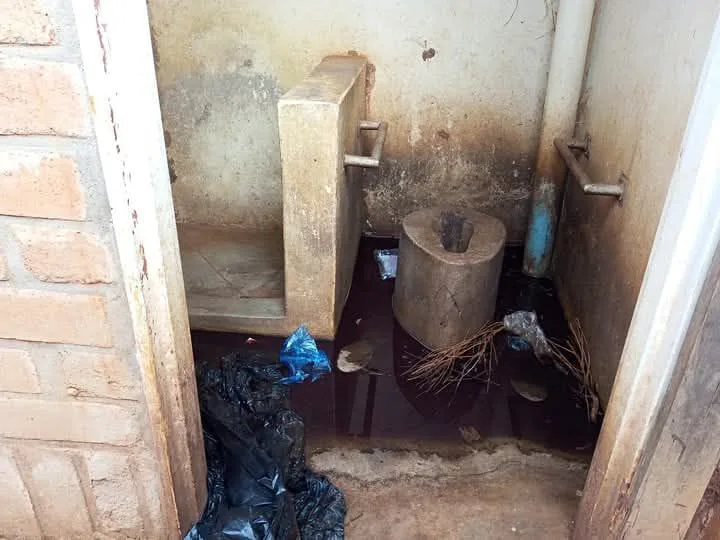
When water is unreliable or handwashing supplies are missing, hygiene becomes a matter of chance. When toilets are broken or poorly maintained, patients lose dignity at the moment they are most vulnerable.
Reacting to the situation, public health advocate Maziko Matemba has raised alarm over the critical state of sanitation in Malawi’s health facilities. He describes the situation as a threat to patient safety and maternal health. Water shortages and broken toilets are turning clinics into infection hubs. “This is not a minor infrastructure issue,” Matemba warns.
Matemba also warned that only a small fraction of facilities have complete access to clean water, sanitation and hygiene services. He cited 3 per cent. Mothers and newborns face deadly infection risks in maternity wards. Birth attendants cannot wash their hands or clean delivery rooms properly. Women are forced to fetch water outside or use unsafe alternatives. This deters many from seeking facility-based deliveries.
Matemba calls on the government to take immediate action. First, ring-fence WASH budgets with dedicated, protected funds for infrastructure and maintenance. Second, enforce national facility standards requiring backup water storage and functional handwashing stations. Third, invest in climate-resilient systems such as solar-powered boreholes and rainwater harvesting. Fourth, strengthen coordination between the health, water and local government ministries. He also urges the government to prioritise preventive maintenance with trained staff and rapid-response repair funds.
The path forward requires political will and sustained investment. Broken toilets and leaking pipes must be fixed before wards become unusable. “Every patient deserves dignity and safety,” Matemba emphasises. Malawi cannot afford to wait. Clean water and proper sanitation in health facilities must become a national priority.
COMMITMENTS VERSUS RESULTS
On 19 November 2026, UNICEF Malawi Representative Dr Penelope Campbell marked World Toilet Day with a clear message: political commitment exists, but delivery lags. She noted that nearly four out of five health facilities in Malawi operate without basic sanitation.
She pointed to the Presidential WASH Compact and Executive Order No. 2 of 2026 as evidence of high-level political will. The Executive Order, issued by President Peter Mutharika on 1 March 2026, mandates sanitation facilities in public places, workplaces and schools, with immediate legal effect.
But Campbell’s central question remains unanswered: “Can a patient receive treatment in a clean health facility?”
In a separate interview, Ministry of Health Public Relations Officer Benedicto Mbewe said he needed more time to respond to questions about what the ministry is doing to address sanitation challenges affecting health facilities in Malawi.
FROM EVIDENCE TO ACTION
The Ministry of Health, hospital management teams and district health authorities need to move from evidence to action. That means regular inspections, repairing broken toilets, securing consistent water supplies and ensuring that handwashing materials are always available.
It also means transparent reporting, so that communities can see the condition of sanitation services in their local facilities and track whether promised improvements materialise.
The available data does not prove that every health facility has the same problems, nor that every patient has suffered an infection because of poor sanitation. It does, however, identify serious, documented gaps that demand attention.
Ultimately, the quality of healthcare should not be measured only by medicines, equipment or patient numbers. It should also be measured by whether a patient is treated in a clean, safe and dignified environment.
A hospital should be a place of healing. For too many Malawians, the evidence suggests that it is not yet the safe haven it promises to be.





























Comments
No comments yet. Start the conversation.