Category: News

A wonderful serenity has taken possession of my entire soul, like these sweet mornings of spring which I enjoy with my whole heart.

  • JB congratulates APM

    JB congratulates APM

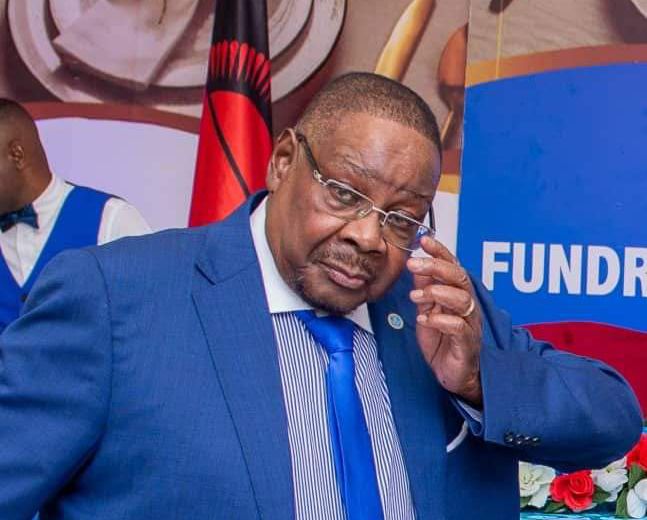
    Former president Dr Joyce Banda has congratulated President-elect Arthur Peter Mutharika following his victory in the September 16 general elections.

    She has further wished him well in the “daunting task of addressing a myriad challenges facing the country.”

    “Top amongst them is the economic meltdown. The President-elect is assured of my full support as he works in the best interest of Malawians. I would like to, also, commend all Malawians for the peaceful conduct during election campaign, on the voting day and as we waited the processing of the results by the Malawi Electoral Commission.

    “As I have already said in my earlier statement, people’s election of a new President is a testament of Malawians’ enduring trust in our democracy,” she said

  • Chakwera concedes defeat, second President to do so while in power

    Chakwera concedes defeat, second President to do so while in power

    President Lazarus Chakwera has conceded defeat in the September 16 general elections to Arthur Peter Mutharika, becoming the second president in Malawi to do so while in power.

    The first president to do so was Dr Hastings Kamuzu Banda, who on May 19, 1994, accepted the democratic will of Malawians to choose Bakili Muluzi as his successor.

    Since then, there has never been a mutual transfer of power. However, it will be seen if Chakwera will attend the swearing-in ceremony of Mutharika.

    In a televised address few hours before the Malawi Electoral Commission (MEC) announced final official results, Chakwera said it was evident, from the that Mutharika has insurmountable lead and is the presumptive winner of the presidential election.

    “For this reason, a moment ago, I called Professor Mutharika directly to congratulate him on his historic victory and to wish him well in his upcoming tenure as the seventh President of the Republic of Malawi. I have done this because I accept the results of the presidential election that the Malawi Electoral Commission has already validated and released, just as I will accepted the final result that the Commission is scheduled to announce at 2pm.

    “I know that to many of you who supported my campaign for re-election, this outcome is disappointing, but I want you to know that I will forever be grateful for your trust in me and for your support of my candidacy. I also know that to the majority of you who voted, this outcome is a reflection of your collective will to have a change of Government, and so it is only right that I concede defeat out of respect for your will as citizens and out of respect for the Constitution.

    “But regardless of whether or not you voted, and regardless of how you voted, if you are a Malawian citizen anywhere in the world, I want to thank you for conducting yourself throughout this election in a peaceful, orderly, and lawful manner. Most importantly, I want to thank the Lord God Almighty and all of you for the incredible privilege you gave me for the past five years to serve as your sixth President.

    “In the days that remain before my successor takes his oath of office, I want you to know that I am fully committed to facilitate a peaceful transfer of power. I have already instructed my team to begin preparations to render the incoming Administration any support needed to ensure a seamless process that safeguards our nation’s peace, order, institutions, public services, and constitutionalism. Additionally, I have issued directives for all my staff to see to it that over the coming days, all State Residences are left in good order and in time for the President-Elect to move in upon taking his oath of office,” he said

    He thanked MEC for what he described as a meticulous and outstanding job it has done to ensure that the entire electoral process is peaceful and transparent.

    “Worthy of special mention and praise in this regard is the MEC Chair, Justice Annabel Mtalimanja, whose cool head and steady hands have ably steered this long and complex process in a manner that is commendable and admirable. But I know that to run an election as well as she has requires an ecosystem of supportive Commissioners, electoral staff, and stakeholders. So as President, I want to thank all of you for the role you have played to make these General Elections a success and to make Malawi’s democracy a shining example for the whole world,” he said

  • UGI donates K1.5 million to Hope for the Blind

    UGI donates K1.5 million to Hope for the Blind

    United General Insurance Company (UGI) has donated K1.5 million to Hope for the Blind organization in support of fees for visually impaired students in tertiary and secondary schools.

    Speaking during the cheque handover ceremony in Blantyre on Friday, UGI’s Sales and Marketing Manager, Golden Jamu, said they well compelled to respond generously to the organisation’s request for sponsorship because it resonates with the company’s Corporate Social Responsibility (CSR) focus on education.

    “We decided to support Hope for the Blind because we recognise the remarkable work they are doing. Their request also aligns perfectly with our objectives under our CSR initiatives. As you may know, our CSR focuses on four key areas: mental health, education, environment, and governance.”

    “Hope for the Blind sought sponsorship to support the students with their studies, which fits squarely under our focus on education. As a company, we strongly believe in excellence—and we know that excellence can only be achieved through education. That is why we felt it was important to partner with them,” said Jamu.

    Hope for the Blind’s Treasurer, Mtisunge Chinguwo, expressed gratitude for the donation, noting that it will help cover school fees and upkeep for 250 visually impaired students, 60 in tertiary and 190 in secondary school.

    “We help the visually impaired students and orphans; the donation will help with school fees and upkeep in tertiary and secondary school. We are so grateful to UGI as they have helped to secure the future for these students,” said Chinguwo.

  • APM comfortably in the lead

    APM comfortably in the lead

    Opposition Democratic Progressive Party (DPP) candidate Peter Mutharika is comfortably leading the presidential elections with 2,138,746 votes officially released so far by the Malawi Electoral Commission (MEC).

    Malawi Congress Party (MCP) candidate Lazarus Chakwera came in a distant second with 1,067,940 of the 3,206,686 valid ballots counted from 24 of 36 councils.

    MEC chairperson Anabell Mtalimanja said that 3,293,767 Malawians voted, of which 83,781 ballots were null and void, representing a rejection rate of about 2.5 percent.

    The remaining councils are: Mangochi District, Mangochi Municipality, Ntcheu, Chiradzulu, Nkhatabay, Blantyre District, Karonga District, Phalombe, Lilongwe District, Kasungu District, Dedza and Mchinji.

    Mutharika just needs 205,841 votes to be declared the winner, meaning he will pass the constitutional 50%+1 threshold.

    On the other hand, Chakwera needs 1,609,931 votes to overturn the tables, which is very unlikely.

  • NBM plc draws business lessons from Intra-African Trade Fair 2025

    NBM plc draws business lessons from Intra-African Trade Fair 2025

    National Bank of Malawi (NBM) plc says its engagement at the Intra-African Trade Fair (IATF) 2025 has opened new avenues for driving trade finance, regional partnerships, and opportunities for Malawian businesses.

    The biennial fair, organised by the African Export-Import Bank (Afreximbank) in collaboration with the African Union (AU) and the African Continental Free Trade Area (AfCFTA) Secretariat, brought together governments, businesses, investors, and financiers to accelerate Africa’s integration and intra-continental trade.

    NBM plc’s Marketing and Corporate Affairs Manager, Akossa Mary Hiwa, described the fair as an eye-opener that reinforced the Bank’s strategic role in driving regional economic growth.

    “Our motivation to participate in IATF 2025 was rooted in our strategic objective to deepen our regional footprint and actively support intra-African trade. As a Malawian Bank with an established presence in Tanzania, we saw this platform as an invaluable opportunity to showcase our commitment to regional integration and growth,” said Hiwa.

    She explained that the Bank’s key objectives included strengthening visibility within Africa, exploring trade finance opportunities, and fostering partnerships aligned with AfCFTA goals that support expansion initiatives.

    “One of the biggest lessons we are taking home is that intra-African trade is no longer a future aspiration but a present reality. For NBM plc, this means strengthening the tools that enable Malawian businesses to compete and connect regionally.

    “We have come back with renewed energy to scale up our trade finance solutions, digital innovations like ATEX and PAPSS, and SME-focused initiatives,” explained Hiwa.

    She noted that the Fair revealed the growing demand for tailor-made solutions that support exporters, importers, and small enterprises.

    Specific to NBM’s customers, the Bank showcased and exposed their products to potential markets within Africa and beyond, facilitating potential Malawian exports.

    “The platform presented a wealth of opportunities not only for us, but also for our customers. Through targeted follow-ups, digital platforms, and knowledge-sharing sessions, we will ensure our clients benefit from emerging market trends, regional trade opportunities, and innovative trade facilitation solutions,” she added.

    Another key takeaway for NBM plc was the importance of partnerships, according to Hiwa.

    She highlighted that early engagements with Afreximbank and other regional financial institutions pointed to promising collaborations in areas such as joint trade finance initiatives, digital collaborations, and cross-border payment systems.

    “These partnerships are essential for strengthening our regional expansion strategy and enhancing the financial ecosystem that supports cross-border trade,” she said.

    At IATF 2025, NBM plc showcased its trade finance offerings, including export and import finance, as well as tailored SME trade solutions, emphasising the Bank’s commitment to driving regional trade and economic growth.

    Reflecting on the Bank’s overall participation, Hiwa concluded that the Fair emphasised the need for Malawian institutions to be active players in shaping Africa’s economic resilience.

    “IATF 2025 reaffirmed Africa’s collective commitment to economic integration and regional trade growth. It strengthened our resolve to be a catalyst for Malawi’s trade growth within the AfCFTA framework and fuelled our ambition to be a regional trade enabler. Ultimately, it reinforced our commitment to building a more integrated, resilient trade ecosystem that benefits our clients and contributes to sustainable development across the continent,” said Hiwa.

    Speaking at the opening ceremony, on behalf of the AU Commission, Ambassador Selma Malika Haddadi highlighted the Fair’s wider significance for Africa’s trade and integration agenda.

    “Since its inception in 2018, the Intra-African Trade Fair has emerged as Africa’s premier trade and investment marketplace. Each fair has brought us closer to the aspirations of the African Union Agenda 2063: an integrated, connected, and prosperous Africa. Boosting intra-African trade is not simply an economic imperative but a measure of our political resolve and our commitment to reform,” said Haddadi.

  • FCB Tap wins VISA Best Innovator Award

    FCB Tap wins VISA Best Innovator Award

    FCB Tap, the mobile card payment solution from First Capital Bank (FCB), has won the Best Innovator Award 2025 from VISA.

    The recognition places FCB at the forefront of digital transformation in Malawi’s financial sector and highlights the growing role of cashless transactions in the economy.

    FCB Tap allows any Android smartphone to function as a payment device through NFC (Near Field Communication), the same tap-and-go technology used in modern bank cards. In practice, the phone itself becomes the till. Customers tap their card on a merchant’s FCB Tap-enabled phone, enter their PIN, and the payment is processed within seconds.

    The innovation complements existing payment methods such as traditional POS machines by giving merchants greater flexibility. It makes digital payments more accessible to small traders, mobile businesses, and larger corporates alike, broadening the reach of financial services across the country.

    Chitsanzi Gadi, Head of Products at FCB, said the award was a milestone for the Bank’s innovation journey.

    “FCB Tap is not just a product, it is a lifestyle solution. It gives customers more payment options, makes cashless transactions seamless, and provides merchants with a low-cost alternative to traditional POS devices,” he said.

    The service is also equipped with advanced security features designed to protect both merchants and customers, ensuring that convenience does not compromise safety.

    This latest recognition follows FCB Tap’s Outstanding SME Initiative of the Year Award at the 2024 IMM Marketing Excellence Awards, further underlining its role in promoting financial inclusion and reshaping the future of payments in Malawi.

  • Vote buying practices surface

    Vote buying practices surface

    Vote buying practices have emerged as a significant concern during Malawi’s 2025 General Elections, with election observers reporting such incidents at approximately 9% of polling centers monitored across the country, according to a morning statement from the Elections Situation Room (ESR).

    Gray Kalindekafe, Executive Director of Nice Trust, delivered the concerning findings during a media briefing at Capital Hotel in Lilongwe, highlighting what appears to be systematic attempts to influence voters through illegal inducements near polling stations.

    The ESR, which coordinates monitoring activities through over 6,000 election observers and 500 roving monitors nationwide, identified vote buying as one of several electoral irregularities occurring during the first hours of voting that began at 6 AM.

    “At least 9% of centres reported vote buying practices close to the polling centres,” Kalindekafe stated. “We urge the police to investigate and bring this practice to a halt.”
    The revelation comes amid what has been described as a “largely peaceful campaign” leading up to election day, suggesting that illegal practices may have intensified as voters headed to the polls.

    Election monitors are calling for swift intervention from multiple authorities to address the vote buying allegations. The ESR has specifically urged citizens with information about such incidents to report to police, the Malawi Electoral Commission (MEC), and the registrar of political parties.

    The practice of vote buying – where candidates or their agents offer money, goods, or services in exchange for votes – is considered a serious electoral offense under Malawi’s electoral laws and can undermine the integrity of the democratic process.

    Vote buying was not the only concerning practice observed during the morning hours. The ESR also reported continued campaigning after voting commenced, with approximately 9% of centers witnessing such violations.

    “We appeal to political parties and candidates to desist from this malpractice as it is an electoral offense,” Kalindekafe emphasized, urging citizens to report such violations to authorities.

    The monitoring organization also documented nine cases of attempted double voting, though all were successfully detected by the electoral system, demonstrating what observers called the system’s robustness.

    Beyond vote buying, the ESR highlighted several operational challenges affecting the election process.

    Significant malfunctions of the Biometric Verification Identification System caused delays at some polling centers, forcing officials to rely on manual voter registers.

    Election monitors also expressed concern about voters photographing their marked ballots and sharing images on social media platforms – a practice that violates ballot secrecy laws.

    “We urge all voters to desist from this practice and safeguard the secrecy of the ballot,” the statement warned.

    The ESR report painted a mixed picture of election day operations. While 79% of polling centers opened on time, issues including equipment malfunctions, material shortages, and organizational problems caused delays at others.

    Voter turnout appeared strong, particularly among women and youth, though late openings disproportionately affected women with caregiving responsibilities and elderly voters who had arrived early to avoid long queues.

    The ESR’s findings are based on data collected through a comprehensive monitoring network operating from a command center at Capital Hotel in Lilongwe, coordinated by the technology hub Masu Athu in partnership with the Malawi Police Service.

    The organization emphasized its commitment to verifying information before public release, stating that while they capture issues as they happen, they take time to confirm details with relevant authorities to ensure credibility.

    As voting continues until 4 PM, election monitors are maintaining their surveillance of polling centers nationwide. The ESR has promised regular updates throughout the day while calling for all stakeholders to prioritize accurate, verified information during the limited election timeframe.

    “Elections take place within a very limited timeframe, so we cannot afford to sensationalize issues that could potentially cause widespread harm and injury,” Kalindekafe noted.

    The documented vote buying practices, if substantiated through investigation, could potentially impact the legitimacy of results in affected constituencies, making swift action by authorities crucial for maintaining public confidence in the electoral process.

    Voters are encouraged to report any instances of vote buying or other electoral violations to authorities while continuing to exercise their democratic rights at designated polling stations throughout the day.

  • NICE activates Elections Situation Room ahead of  tomorrow’s polls

    NICE activates Elections Situation Room ahead of tomorrow’s polls

    The National Initiative for Civic Education (NICE) Public Trust’s Elections Situation Room (ESR), dubbed “Maso Athu” meaning “our eyes” in Chichewa, is now in full operation as Malawi prepares for tomorrow’s general elections where millions will vote for President, Members of Parliament, and Councillors.

    Speaking during the first press briefing at Capital Hotel in Lilongwe yesterday, NICE Public Trust Executive Director Gray Kalindekafe announced that the comprehensive election monitoring system is ready to ensure peaceful, fair, and credible elections.

    “At this critical moment for our democracy, the NICE Public Trust, together with its strategic partners, is proud to announce that the Elections Situation Room is now officially in operation,” Kalindekafe said.

    The ESR, launched on Friday September 12, 2025, combines advanced technology with human expertise to monitor incidents, verify facts, coordinate responses, and keep both Malawians and the media informed throughout the electoral period.

    The monitoring system boasts a substantial observer network of more than 6,300 stationed observers and roving teams strategically deployed across polling locations, local councils, and movement corridors nationwide.

    These observers underwent extensive training on incident recognition and documentation, proper use of the Maso Athu reporting tools, and protection of vulnerable voters while maintaining personal safety and impartiality.

    The digital platform allows observers to send reports directly from the field, with the system checking and organizing information for quick sharing during public briefings or escalation to relevant authorities.

    During election week, the ESR will maintain round-the-clock shifts with a public situation room at Capital Hotel displaying live, validated data.

    An intervention desk will escalate verified incidents to bodies including the Malawi Electoral Commission and Malawi Police Service for coordinated responses.

    The system operates on four core functions: tracking incidents in real-time, identifying trends and potential hotspots, coordinating stakeholder responses, and sharing accurate updates with the Electoral Commission and public.

    “This is not a passive monitoring exercise. The ESR turns citizen observation into evidence that can trigger interventions, inform the public record and support post-electoral assessment,” Kalindekafe explained.

    As part of election preparations, NICE Trust conducted extensive civic and voter education initiatives reaching over 15.4 million people between November 2024 and September 2025.

    The 1,620 awareness and mobilization activities reached 8,873,262 women, 6,604,554 men, 3,724,048 youth, and 173,921 persons with disabilities under the European Union-funded Boma Lathu Programme and UNDP-funded Nthawi Yawo Programme.

    Strong Partnership Foundation
    The ESR operates through strategic partnerships led by NICE Public Trust and supported by UNDP’s Malawi Electoral Support Project (MESP), funded by international donors providing technical assistance, infrastructure, and project financing.

    Regional and national partners including the Malawi Electoral Commission, COMESA, and civic organizations have contributed technical inputs and trainer resources, while civil society partners like Oxfam and UN Women focus on inclusion programming for women, youth, and persons with disabilities.

    Kalindekafe urged journalists to use the ESR as their trusted source of verified information during the electoral period, emphasizing the system’s commitment to combating misinformation and disinformation.

    “We urge you, as professional journalists, to use the ESR as your trusted source of verified information. By doing so, you will help combat misinformation, disinformation, and rumour mongering,” he said.

    The ESR will provide daily briefing schedules, regular situation reports, and maintain live dashboards online for journalists requiring real-time data. Every briefing will clearly state what has been verified, what remains under verification, and escalation actions taken.

    Based on preliminary ESR findings, the campaign period has been generally peaceful, with Kalindekafe thanking all political parties for respecting the Code of Conduct.

    However, NICE Trust issued stern warnings against electoral malpractices on polling day, with Kalindekafe strongly cautioning voters and candidates about their duty to act lawfully during the elections.

    “As voters and candidates, it is your duty to act lawfully. I strongly caution against the following electoral offences,” Kalindekafe emphasized, listing six specific prohibited activities; Vote buying – giving money or goods to influence voters; Multiple voting – casting more than one ballot; Impersonation – pretending to be another registered voter; Tampering with ballot papers – altering, destroying, or unlawfully marking ballots; Obstructing polling officials – interfering with election officers in their duties; and Unauthorized presence at polling stations – being at a polling site without permission.

    “Let us each play our role responsibly to safeguard Malawi’s democracy,” Kalindekafe urged, emphasizing that these malpractices could undermine the integrity of the entire electoral process.

    The ESR will produce a comprehensive post-electoral dossier documenting verified incidents, response timelines, gaps, and practical recommendations for policymakers, electoral authorities, and civil society to improve future processes.

    “The ESR does not replace formal electoral institutions. Its role is to support them and the public by delivering verified information and acting swiftly to manage localized risks before they escalate,” Kalindekafe concluded.

    The monitoring system represents a significant investment in democratic oversight, with verified information prioritized over rumors to maintain electoral integrity as Malawi heads to the polls tomorrow.

  • Election allies unite to fight violence against women

    Election allies unite to fight violence against women

    Malawi goes to the polls tomorrow, September 16, but the scars of physical and verbal violence against women to intimidate and silence them off the race run deep.

    There have been accounts of violence against women, particularly during the campaign period. These attacks, both physical and verbal, are intended to intimidate and silence women, which in turn affects their participation in politics.

    Although they have experienced intimidation, parliamentary aspirants for Salima Central West and Machinga East constituencies, Jessie Kabwila and Esther Jolobala, respectively, have resolved to remain in the race.

    On September 11, 2025, Kabwila initiated a defamation lawsuit against Sameer Suleman, the National Organising Secretary of the Democratic Progressive Party (DPP), due to comments he made at a political rally in Blantyre.

    During this event, he insulted her by stating, ‘Kuchipaka Vaseline two days chili mbuu kutuwa’, suggesting that her skin is unresponsive to body lotion.

    The remarks attracted further public bullying on social media. For example, Pat Abig Siliya commented, “But Suleman said the truth, is it wrong for one to say the truth? Or he said it at the wrong place?”

    Through her lawyer George Kadzipatike, Kabwila, who is also MCP spokesperson and Minister of Higher Education, said the remarks had subjected her to public humiliation, scorn and ridicule.

    “My client has been subjected to public humiliation, scorn and ridicule. Her reputation has suffered irreparable harm locally and internationally. As such, we demand damages for defamation, but also an order compelling the defendant to issue a public apology,” Kadzipatike told Nation Online.

    On August 28, 2025, Jolobala was attacked by supporters allegedly aligned with her rival, Mustafa Pongolani. Her motorcade was blocked, and her bodyguard was brutally hacked.

    The assailants dragged Jolobala through the streets while chanting derogatory songs, accusing her of performing rituals in a graveyard to secure victory in the upcoming elections. The incident was captured on video and quickly went viral across social media.

    Pongolani has since been arrested and is facing charges of inciting violence and unlawful wounding, among others.

    “It shocked me and deeply disturbed my family, relatives and constituents, who worried for our safety,” said Jolobala, a candidate for the opposition United Democratic Front (UDF).

    To combat the vice, Women’s Legal Resources Centre (WOLREC) has intensified its ‘No Violence Against Women in Elections’ (VAWE) campaign across the country.

    In Machinga District, the initiative is targeting all eight constituencies and 16 wards, with the aim of promoting peaceful coexistence among candidates and their supporters before and after the elections.

    The organisation is working with youth networks operating in 24 traditional authorities where leaders are trained to monitor potential acts of violence and address grievances.

    According to Machinga District Principal Gender Development Officer Lawrence Matiti, the project has helped to reduce incidences of political violence during the current campaign period.

    “We have established over 160 women of peace committees and about 60 men champions who are in the forefront sensitising communities against political violence, with special focus on female candidates.

    “Machinga is one of the districts where, culturally, women are not regarded as capable leaders. Most incidents of political violence have been directed towards women, with the latest one being that against Jolobala,” he said.

    Matiti said in collaboration with traditional and religious leaders, they have held over 35 community sensitisation meetings to promote the participation of women in elections and prevent violence within the elections’ period.

    Senior Chief Nyambi from the district said the project is bearing fruit as incidents of political violence against women have gone down in his area.

    “Apart from the decrease, we have also witnessed an increase in the number of women contesting for both parliamentary and local council positions. We encourage people to support female candidates and give them space to exercise their right to participate in political space,” he said.

    He added that societal attitudes are gradually shifting, and the ongoing efforts are beginning to bear fruit, with women’s participation in politics showing steady improvement.

    “Although we still encounter some cases, gender stereotypes and biases against women’s participation in politics are gradually breaking down,” the chief said.

    Eastern Region Police spokesperson Patrick Mussa stated that the partnership between law enforcement and various stakeholders has contributed to a decrease in incidents of political violence.

    “Together with political parties and traditional leaders, we have been conducting anti-political violence campaigns in the region, urging candidates, youths and community members to embrace peace and tolerance. Everyone, regardless of gender, must be given a conducive environment for peaceful campaigns that should lead to peaceful, credible and fair elections,” he said.

    Mussa added that they are also engaging with grassroots community policing frameworks to ensure order, given that these members are chosen by the communities and instructed to stay non-partisan.

    WOLREC Project Officer Ireen Ntonga underscored an initiative aimed at condemning violence against women, emphasising that such actions hinder the involvement of women and individuals with disabilities in the electoral process.

    She highlighted the importance of a supportive environment that enables women to interact with candidates’ manifestos and make well-informed voting choices, asserting that the prevention of violence against women is vital for a peaceful and inclusive election.

    Incidents of political violence and intimidation highlight how far Malawi still has to go in achieving Sustainable Development Goal 5 (Gender Equality), which aims to ensure women’s full participation and equal opportunities for leadership.

    The African Union states that although women’s representation in parliament increased from 16.7 percent in 2014 to 23 percent in 2020, and women currently hold only 14.5 percent of seats in local councils in Malawi, these figures remain below the regional and global aspiration of 50:50 gender parity.

    In a press statement in May 2025 after engaging stakeholders in Malawi on women’s political participation ahead of the General Elections, the AU said this level of under-representation underscores the importance of continued efforts to strengthen legal and policy frameworks that promote gender equality in political participation.


  • Student voters stranded as MEC refuses special voting arrangements despite school calendar conflict

    Student voters stranded as MEC refuses special voting arrangements despite school calendar conflict

    Students who live far from their schools where they registered for the forthcoming General Elections are expected to either fail to cast their votes or incur significant travel costs to reach their designated polling stations.

    The issue has arisen because the academic calendar for the Ministry of Basic and Secondary Education shows schools are scheduled to reopen on September 22, 2025, meaning students will be on holiday during the September 16 voting date.

    The Ministry of Basic Education and Secondary Education initially released a statement on Thursday announcing that the school opening date would be moved from September 22 to September 15 to allow students to exercise their voting rights.

    However, following public criticism over the timing of the announcement, the ministry reversed its decision and confirmed that the opening date remains September 22.

    Speaking at a press briefing on Saturday in Lilongwe at the Bingu Wa Mutharika International Convention Center, Malawi Electoral Commission (MEC) Chairperson Justice Annabel Mtalimanja announced there would be no further voter transfers, with exceptions only for commission staff deployed to work at polling stations where they did not register.

    “Under the amended Presidential, Parliamentary and Local Government Elections Act, only three categories of voters are permitted to apply for authorization to vote at polling stations of their deployment,” she explained.
    These categories include:

    Polling staff of the commission
    Members of state security agencies deployed to polling stations by MEC
    Accredited and designated representatives or party monitors

    Justice Mtalimanja explained that eligible voters from these categories must apply for authorization to the constituency returning officer where they plan to vote. Upon verification, they will receive an authorization certificate (Form 29), which must be presented along with their national identification card and voter registration certificate to the presiding officer on polling day.
    Applications to vote elsewhere must be submitted before 6 PM on September 15, and only individuals—not party leaders—may make such applications.

    “During registration, we emphasized that there was an opportunity for transfers, and those interested managed to do so. However, some people, including students, did not take advantage of this opportunity,” Justice Mtalimanja said.

    “According to the law, a person is supposed to vote at the polling station where they registered. There is no special consideration for students to vote elsewhere, apart from the three categories I mentioned, as this was determined by parliament.

    “Students who registered to vote while at school and are currently on holiday are advised to travel to the places where they registered and then return home,” she added.

    MEC has urged political parties, independent candidates’ representatives, and accredited observers from Civil Society Organizations to attend the pre-checking of polling materials on Monday, September 15. The exercise will begin at 9 AM, and MEC emphasized punctuality, stating they will not wait for late arrivals.

    Following the pre-checking, the commission will conduct training for party representatives, independent candidates’ representatives, and polling staff as part of capacity building. However, MEC will not provide transportation or meals for party and candidate representatives.

    MEC has issued a stern warning against conducting campaign activities outside the officially designated period.

    Justice Mtalimanja announced that the campaign period will officially close on Sunday, September 14, at 6:00 AM, emphasizing the importance of strict adherence to this deadline.

    She specifically urged media outlets to refrain from publishing campaign-related content after the campaign window closes on Sunday morning.

    The MEC chairperson also addressed politicians who have been sponsoring sporting tournaments in their constituencies, directing them not to present prizes to winning teams and players once the campaign period ends.

    “MEC is committed to ensuring fair electoral processes and preventing any activities that could constitute illegal campaigning outside the regulated timeframe,” Mtalimanja concluded.