Home Blog Page 4

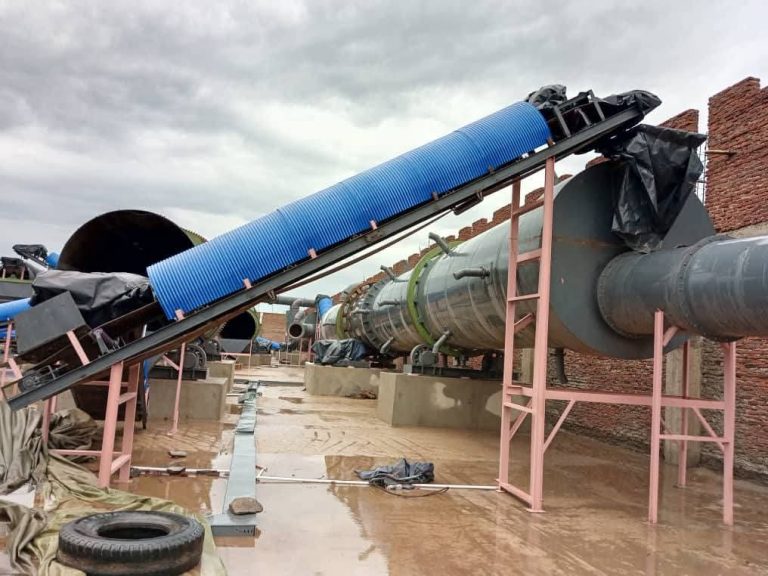
Dzombe’s $40m fertilizer plant stalled—MEPA blames developer, not red tape

0

-Authority pushes back on claims that regulatory delays are blocking Mulalo factory; developer silent on nine-month gap in submissions

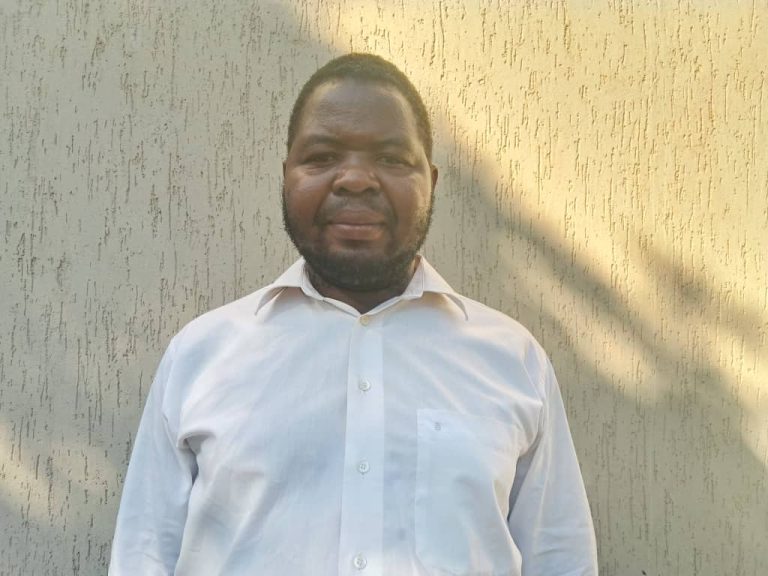
The approval of Napoleon Dzombe’s proposed Mulalo Granular Fertilizer Production Factory has stalled, but not because of government red tape—at least not according to the Malawi Environment Protection Authority (MEPA).

In a pointed statement issued Thursday, MEPA rejected suggestions that the Authority was responsible for delaying approval of the Dowa District project, instead placing the blame squarely on the developer for failing to promptly submit revised environmental documents.

“The developer has not yet submitted the revised ESIA report addressing the comments raised during the technical review process,” MEPA said in a June 4 statement.

“Consequently, the authority is unable to proceed with further consideration of the project until the revised report is submitted and assessed.”

The clarification comes after Dzombe—founder of Mtalimanja Holdings Limited—publicly stated that his fertilizer manufacturing plant could not begin operations because it lacked MEPA approval.

He reportedly said the facility was expected to start production in April but faced delays after the project’s initial environmental report was rejected.

According to the Authority, the project brief was submitted on March 24, 2025, and MEPA prepared its initial feedback by March 26, 2025—a turnaround of just two days. The developer collected this feedback on April 1, 2025.

But the preliminary Environmental and Social Impact Assessment (ESIA) report wasn’t submitted until July 2, 2025—more than two months later. MEPA conducted an editorial review and provided comments by the end of July 2025, asking the developer to address these concerns before moving forward.

Then came the critical gap: the revised ESIA report was not resubmitted until March 2026—nine months after MEPA provided editorial feedback.

“During this period, the formal review process could not proceed because the revised report had not yet been submitted to the authority,” MEPA stated.

Once the revised report finally arrived in March 2026, MEPA moved quickly. The Authority initiated its formal technical review immediately, and the Technical Committee of the Board completed its assessment in May 2026—well within MEPA’s 60 working-day service standard.

“The documented timeline clearly demonstrates that MEPA processed all submissions within the prescribed timelines and that significant delays arose from factors outside the authority’s control,” the Authority said.

The Technical Committee has since sent its review comments back to the developer for incorporation into yet another revised report—which, as of Thursday’s statement, has not been submitted.

The stalled project represents a significant investment in Malawi’s agricultural sector. Dzombe’s fertilizer factory, if approved and completed, would contribute to the country’s efforts to boost agricultural productivity and reduce dependence on imported fertilizers.

However, environmental assessment is non-negotiable in Malawi. The Environmental Management Act (2017) requires rigorous ESIA reviews for large-scale industrial projects to evaluate potential impacts on land, water, air, and local communities.

MEPA said it “remains committed to ensuring that all development projects are processed in a timely, transparent, and professional manner while safeguarding environmental sustainability and compliance with Malawi’s environmental laws and standards.”

MEPA said it will continue processing the application “immediately” after the developer submits the revised ESIA report incorporating the Technical Committee’s May feedback.

There is no indication of when that submission might occur. MEPA has not commented on whether Dzombe has acknowledged the Authority’s timeline or responded to the claims about the nine-month delay.

SAPOF expands programme to keep vulnerable girls in school

0

By Angel Chunda:

Save the Poor Foundation (SAPOF) intends to extend its Keeping Every Girl in Education (KEEP4MEG) initiative to five more areas in Blantyre District following successful outcomes in supporting vulnerable girls and teenage mothers to stay in school and prevent early pregnancies.

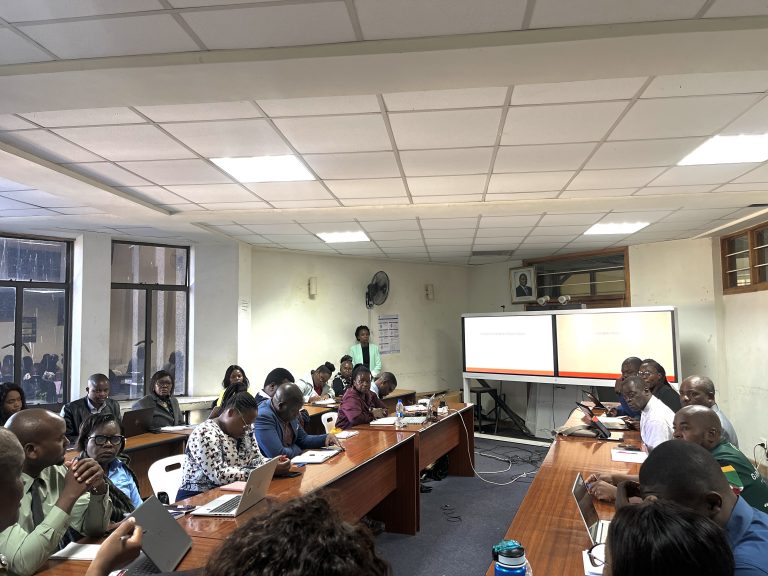
Speaking during a District Executive Committee meeting on Thursday, SAPOF Field Officer Takondwa Biyazawo said the programme, was introduced in 2020 during the COVID-19 pandemic which led to increased cases of child marriages, teenage pregnancies and school dropouts.

Biyazawo said the organisation is currently supporting 14 teenage mothers and 60 girls from vulnerable households at Mpapa Primary School and two of the beneficiaries are currently enrolled at Mpapa Community Day Secondary School.

“Since the project started, we have not received any reports of early pregnancies or drop outs from the school,” she said.

According to Biyazawo, the programme has also established a KEEP4MEG club to provide supplementary English lessons to struggling learners.

She, however,  expressed worry over lack of interest  and reluctancy by some teenage mothers to return to school.

To address this challenge, Biyazawo said the organization offers nursery care for children of some teenage mothers to enable them to continue with their education.

District Youth Officer Peter Mizedya commended the initiative but stressed the need for sustainability and collaboration with other stakeholders.

“There is need to plan long term on how your organization will sustain this project. It is also important to engage other partners working on similar projects to reach out to more vulnerable girls,” said Mizedya.

The organisation plans to extend the programme to Nasiyaya and Khola primary schools, where they expect to reach  about 400 girls aged between 13 and 17 through safe spaces, girls’ clubs and community engagement activities.


M1 rehabilitation works set to commence after procurement process

0

By Roy Howa:

Roads Authority says rehabilitation works on the Blantyre–Lilongwe M1 Road are expected to commence after the completion of procurement procedures currently underway.

Speaking to Malawi News Agency (MANA) Roads Authority Spokesperson, Lawrent Kumchenga, said the process is following mandatory legal steps before contractors can fully take over sites and begin work.

“Once the Notification of Intention to Award Contracts is issued, there is a mandatory 14-day waiting period. This will be followed by contract negotiations, contract award, and site handover – these take about a week,” he said.

Kumchenga added that after site handover, contractors will be given 14 days to mobilise equipment and other resources before commencing works.

The development follows a recent notice by the Authority indicating its intention to award contracts worth K245.78 billion for various road maintenance and rehabilitation projects, including the M1 and M10 corridors.

Meanwhile, transport operators have welcomed the announcement saying the rehabilitation will help reduce operational costs and improve road safety after years of deterioration.

Transporters Association of Malawi (TAM) Spokesperson, Frank Banda, said the condition of the M1 has for years increased operational challenges for drivers and transport companies.

“We have been engaging government for a long time over the poor state of this road. It has led to frequent vehicle breakdowns, high maintenance costs, and in some cases road accidents,” he said.

Banda said the planned rehabilitation works will bring relief to operators who have long endured increased costs due to the road’s condition.

“This development gives us hope that our operational costs will reduce and transport services will become more efficient once the road is fully rehabilitated,” he said.

The M1 road has, in recent years, remained a major concern for road users and transport stakeholders due to its deteriorating condition, prompting repeated calls for government’s intervention and accelerated maintenance works aimed at improving national connectivity.


Likoma Festival suspends talks with South African artist over xenophobia

0

By Ireen Mseteka:

The Likoma Island Festival (LiFE) Organising Team has suspended ongoing negotiations with a South African music artist who was being considered for participation in the upcoming festival as a gesture of solidarity with immigrants facing xenophobia in South Africa.

According to a statement released by the festival organisers on Thursday, the decision was made in response to reports of xenophobic attacks, illegitimate removals, discrimination, violence and exclusion affecting immigrants communities in South Africa.

“While every country has the right to manage immigration matters, such processes should be conducted lawfully, professionally and with full respect for human rights and human dignity,” reads the statement.

The statement further noted that South Africa has established institutions responsible for handling immigration issues and that these structures should be allowed to carry out their mandate.

LiFE emphasised that the move should not be viewed as a condemnation of the artist involved or the people of South Africa, but rather as a call for greater protection of immigrants’ rights and promotion of constructive dialogue on justice, human dignity and peaceful coexistence.

“As a platform that celebrates cultural diversity and African unity, the Likoma Island Festival remains committed to solidarity with vulnerable communities and to promoting equality, respect and inclusiveness,” reads part of the statement.

The organisers said they will continue monitoring developments and remain open to future engagement when circumstances align with the festival’s values and principles.

In an interview with Malawi News Agency (MANA), LIFE Executive Director, Patrick Chikoti said the name of the artist has not been disclosed out of respect as it is not the artist’s personal problem that has resulted into the suspension of the discussions.


FDH Bank Plc deepens regional footprint with Mozambique expansion strategy

FDH Bank Plc says its entry into the Mozambican market marks a major step in its long-term strategy to build a stronger regional financial services group and support cross-border trade across Southern Africa.

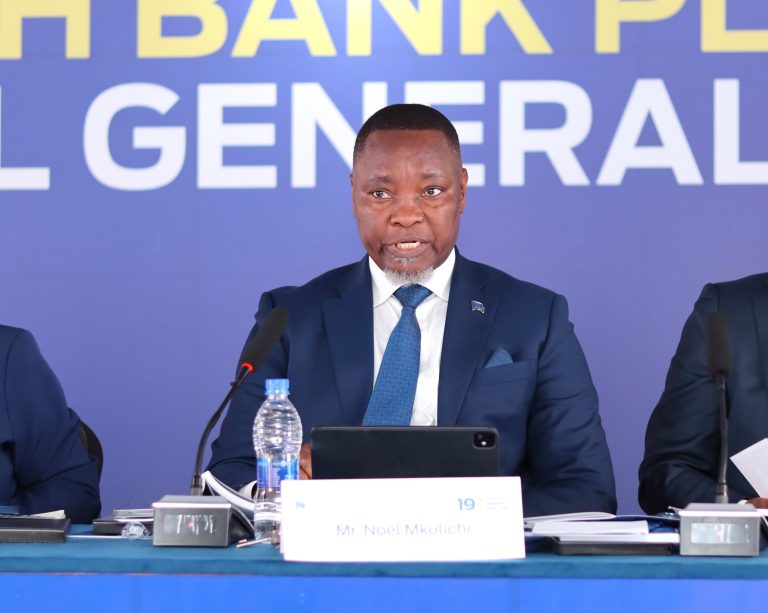
Speaking on Thursday during the bank’s 19th Annual General Meeting (AGM),  FDH Plc Managing Director Noel Mkulichi said the acquisition of a controlling stake in Ecobank Mozambique S.A. represents a key milestone in the institution’s growth journey beyond Malawi.

“The transaction is designed to strengthen FDH Bank’s regional presence while unlocking new opportunities in trade finance, cross-border banking services and diversified revenue streams,” he said.

Mkulichi added that the expansion positions the Bank to better serve customers engaged in regional trade, while enhancing operational reach across Southern Africa.

“Beyond expanding our geographical footprint, the transaction positions the group to better serve customers engaged in regional trade and unlock new growth opportunities across the region,” he said.

Mkulichi said the bank will now focus on integrating its Mozambican operations and ensuring that the expansion delivers long-term value for customers, shareholders and the broader regional economy.

The Managing Director noted that the expansion strategy is driven by the need to diversify income sources and strengthen resilience in an increasingly competitive and interconnected financial landscape.

FDH Bank said its regional ambitions are supported by continued investment in digital banking platforms, which enable seamless cross-border service delivery and improved customer experience.

The bank’s mobile banking, agency banking and digital payment solutions continue to play a key role in supporting efficiency and accessibility across its growing footprint.

The bank also emphasized that its expansion strategy is aligned with its broader vision of sustainable growth, supported by strong capital levels, robust governance and disciplined risk management.

Mkulichi said FDH Bank remains confident that its regional strategy will enhance competitiveness and create long-term value in both domestic and regional markets.

Minority Shareholders Association of Listed Companies (MISALCO) General Secretary Frank Harawa, welcomed FDH Bank’s entry into Mozambique and other regional markets, describing it as a positive step for long-term growth.

“Expanding into Mozambique and other regional markets is a good move. It strengthens regional integration and can help address foreign currency challenges,” Harawa said.

FDH Bank plc has reported a strong financial performance for the year ending December 31, 2025, with group profit after tax rising to K147.8 billion from K74.1 billion the previous year.

Namalomba outlines govt’s plans to widen connectivity

0

By Kondwani Magombo:

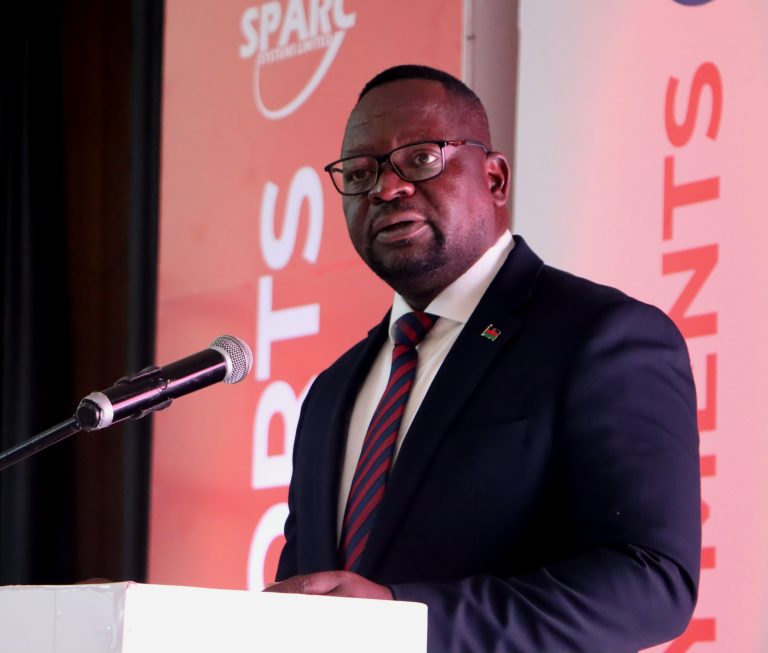
Minister of Information and Communications Technology (ICT) Dr. Shadric Namalomba says the vision of his Ministry over the next three years is to build a connected, secure, and inclusive digital nation in which every citizen, institution, and enterprise can participate meaningfully in the digital economy. 

Namalomba said this when he officially opened the 2026 International ICT Expo at Bingu International Convention Centre (BICC) in Lilongwe Thursday, adding that digital transformation is no longer optional but strategic necessity for national development.

He said the focus will be on expanding broadband access, accelerating digital public services, strengthening cybersecurity and data governance, and equipping the country’s young people with the skills required to innovate, create jobs, and compete globally.

The Minister said the Democratic Progressive Party-led government’s target is to attain 80 percent connectivity rate across the country for accelerated economic growth, improved public service delivery, and strengthened global competitiveness.

“Our target is to have each and every primary school, each and every secondary school, each village and public place connected: the DPP manifesto clearly singles out that,” said Namalomba.

He continued: “We have already secured resources from The World Bank to connect 2,000 schools – and these are on top of other 2,000 schools that were connected in the first phase.”

The Minister further said in total, 9,000 schools and public places and institutions are targeted for connectivity during the period.

He thanked government partners, among them China and Japan, and all sponsors for their support towards advancement of ICT innovations, and the Minister further appealed to investors for more support to bring connectivity to public places.

Namalomba described the 2026 International ICT Expo as “far more than a technology exhibition”, saying it reflects Malawi’s determination to position itself in the fast-evolving global digital economy; and that “Malawi cannot afford to remain a spectator in this transformation”.

In his keynote address, ICT Association of Malawi president, Clarence Gama, commended government for its commitment in promoting ICT innovations and digital solutions in the country, and appealed for sustainability of the commitment until connectivity spreads even across Malawi.

Gama also called on all stakeholders and ICT consumers in the country to promote the sector by embracing local consumption other than importing ICT products.

Minister of Industrialization, Business, Trade and Tourism, Simon Itaye, who was among the speakers, also concurred with Gama, and he invited all players in the private sector to explore local innovation.

Itaye also called on all Ministries Departments and Agencies to embrace digital transformation as per President Prof. Peter Mutharika’s appeal, and he encouraged stakeholders to collaborate in attaining scalable ideas that can create jobs and improve the economy.


ILO trains horticulture and dairy value chain farmers

0

By Tiyamike Makanga:

The International Labour Organization (ILO) has organised a trainer of trainers programme for horticulture and dairy value chain farmers aimed at strengthening skills development across key agricultural sectors.

The five-day training, being held in Salima District, is focusing on the use of a harmonised curriculum and is targeting participants drawn from different districts across the country.

Speaking in an interview on Tuesday, ILO Junior Technical Officer Jairos Chanetsa said the training is designed to equip participants with knowledge they can pass on to young people through various initiatives.

“The expectation is that participants will be able to develop lesson plans on their own, review the new curriculum and deliver high quality and relevant services after the training,” said Chanetsa.

Senior Deputy Director for the Department of Vocational Training in the Ministry of Labour, Chifundo Lodzeni, said the training is aimed at ensuring that participants acquire practical skills that enhance productivity in the agricultural sector.

She said the ministry is committed to ensuring that training programmes go beyond theory and reflect real conditions in the field.

“It is not just about training participants theoretically but also teaching them the reality on the ground,” said Lodzeni.

She added that the ministry’s mandate is to ensure that the curriculum remains responsive to industrial demand without compromising standards.

One of the participants, Chimwemwe Phiri from Nsanje, commended the training, saying the skills acquired will help improve her ability to select quality agricultural products and access better markets for produce.

The training is part of efforts to strengthen value chain development and promote skills transfer within the agriculture sector.


UCHI project trains Mzimba district officers in ecosystem management

0

By Monica Scotch:

District Commissioner for Mzimba, Emmanuel Bulukutu, has urged government officers and frontline workers to apply knowledge and skills gained through ecosystem management training to strengthen sustainable natural resource management in communities.

Bulukutu made the remarks on Tuesday during the opening of a four-day training on Ecosystem, Integrated Catchment Management and Landscape Approaches organised under the Ulimi ndi Chilengedwe (UCHI) project in Mzimba District.

He said the effectiveness of the training will depend on how participants use the acquired knowledge to address environmental challenges affecting communities.

“Training is only meaningful when the knowledge gained is put into practice. I encourage all participants to apply these skills in their work so that communities can benefit from improved management of natural resources,” said Bulukutu.

He observed that environmental degradation, deforestation and unsustainable land use practices continue to threaten livelihoods and ecosystems, making it necessary for stakeholders to adopt integrated approaches to natural resource management.

Speaking in an interview, UCHI Project Coordinator Alifeyo Mwankomwa said the training aims to equip stakeholders from different sectors with skills and knowledge required for effective ecosystem and catchment management.

He said participants were drawn from departments such as forestry, fisheries and water to strengthen coordination in environmental conservation and sustainable resource management.

“We want to ensure that officers and field staff are equipped with the knowledge and skills required for sustainable natural resource management. We expect participants to apply these approaches in their day-to-day work for the benefit of communities and the environment,” said Mwankomwa.

He added that strengthening the capacity of stakeholders in ecosystem and landscape management will contribute to improved environmental resilience and successful implementation of conservation initiatives.

The training forms part of the project’s efforts to strengthen the capacity of stakeholders involved in environmental conservation and sustainable natural resource management in the district.


FDH Bank plc rewards 25 customers in second ‘Swipe to Mauritius’ promo draw

0

FDH Bank plc has rewarded 25 customers with K100,000 each in the second draw of its ongoing ‘Swipe to Mauritius’ Promotion, as the bank continues encouraging cashless transactions through its Point-of-Sale (POS) network.

The draw conducted on Tuesday, the lucky customers walked away with cash prizes after qualifying through transactions made on FDH Bank POS machines to purchase goods in various outlets.

The promotion, which was launched in February as ‘Swipe to Dubai’ before being rebranded to ‘Swipe to Mauritius’, was extended to July to give customers more time to participate and win prizes.

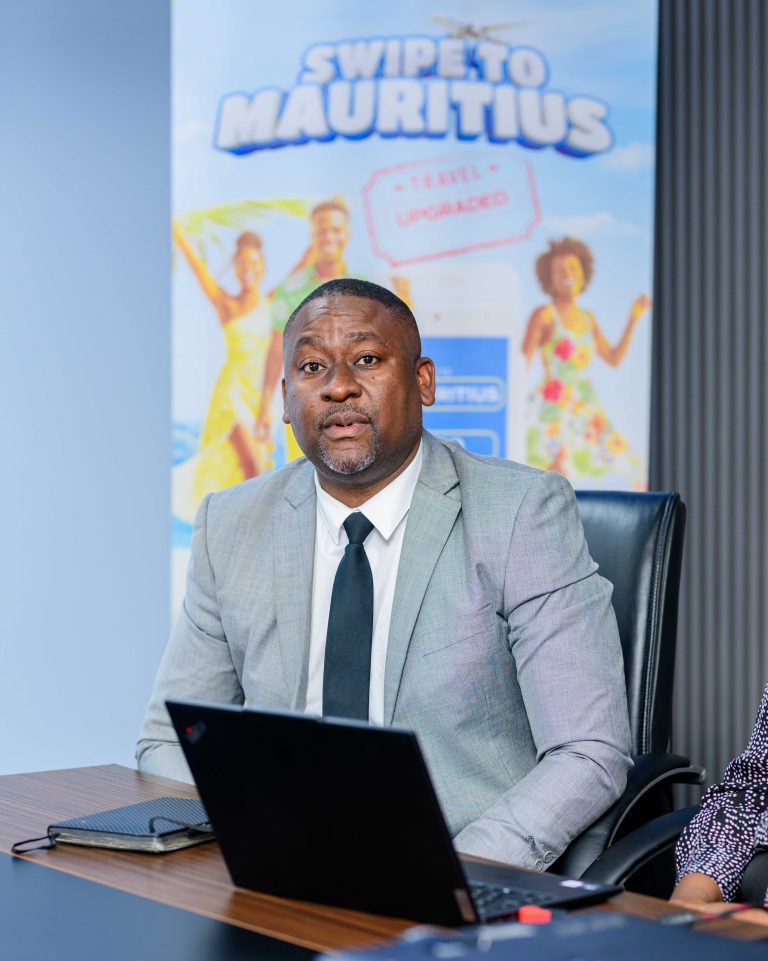
Speaking after the draw in Blantyre, FDH Bank Marketing Manager, Tiyese Kaimila thanked customers for embracing the promotion and increasing their use of the bank’s POS terminals.

“We have seen a lot of traction since we introduced the ‘Swipe to Mauritius’ promotion. We would like to thank our customers for using FDH POS machines and encourage them to continue swiping because there are still many exciting prizes to be won,” said Kaimila.

He said the promotion is now entering an exciting phase, with the next draw expected to introduce the grand travel rewards.

“Going forward, from the third draw that we will be having this coming month, we will start seeing people winning air tickets to fly to Mauritius,” he said.

Kaimila described the Mauritius package as a fully sponsored holiday experience that includes return air tickets, accommodation, spending money and a range of activities for winners during their stay on the Indian Ocean Island.

“The promotion is open to all bank card holders regardless of their banking institution, and customers qualify by spending at least K20,000 using any bank card on an FDH Bank POS machine,” added Kaimila.

The ‘Swipe to Mauritius’ Promotion is aimed at promoting digital payments while rewarding customers for choosing convenient and secure cashless transactions.

Datacom supports ICTAM expo with K10 million donation

0

Tech firm Datacom Malawi Limited, has supported the ICT Association of Malawi (ICTAM) ICT 2026 expo with K10 million donation.

Speaking during the cheque presentation ceremony in Lilongwe on Tuesday, Datacom Managing Director Moses Nthakomwa, emphasised the company’s commitment to supporting Malawi’s digital transformation agenda.

“We believe the digital future depends on various stakeholders such as innovators, industry players and ICT professionals and ICTAM provides such a platform,” said Nthakomwa.

Nthakomwa observed that the digital future of Malawi depends on collaboration between various players within the ICT sector, hence the support towards the ICT platform created by ICTAM.

He further indicated that supporting the expo aligns with the institution’s vision of promoting innovation, digital inclusion and the adoption of modern technologies.

Meanwhile, ICTAM representative Jacqueline Kamdima applauded Datacom for the support as they continue to raise funds for the success of the Expo which will be held under the theme ‘Unlocking Malawi’s Digital Economy: lCT Exports, Trusted Payments and Fraud Resilience.’

“The support by Datacom is timely and will go a long way aiding us to fulfil our mandate to bring together industry players to discuss pertinent issues affecting the industry,” said Kamdima.

Kamdima noted that ICTAM seeks to raise K200 million for the three-day event saying that they have since managed to raise K120 million.

Scheduled for June 3-5, 2026 in Lilongwe, the Expo is expected to bring together ICT professionals, policymakers, innovators and businesses to discuss digital fraud and other emerging tech challenges.