Tag: Khumbize Kandodo Chiponda

  • PEPFAR commemorates 20 years of partnership in the fight against HIV and AIDS

    PEPFAR commemorates 20 years of partnership in the fight against HIV and AIDS

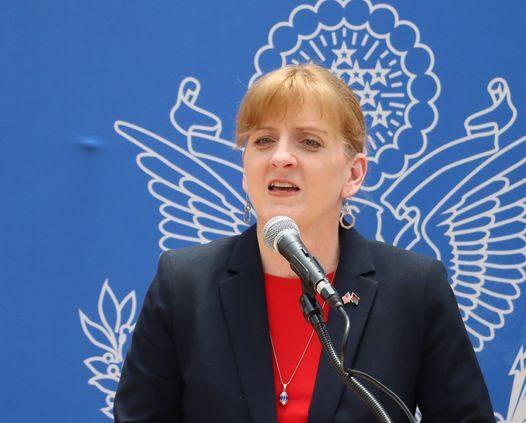
    The United States of America (USA) is celebrating 20th anniversary of partnership with Malawi in the fight against HIV and AIDS through President’s Emergency plan for AIDS Relief (PEPFAR).

    Speaking in Lilongwe during press briefing Wednesday, Deputy Assistant Secretary of State for the Bureau of African Melanie Higgins said Malawi has managed to reduce HIV prevalence among adolescent girls, young women and men through programmes and information which they have been disseminating to the public.

    “ Today we are proud to work together with the Malawi government, UNAIDS, Global fund, civil society and other key partners in this life saving work. Malawi is at critical juncture in the fight to end the HIV” Higgins said.

    She added that the US government has invested over $1 billion dollars towards the fight against HIV and AIDS programmes since 2013 through PEPFAR and they aim at having HIV free generation.

    Minister of Health Khumbize Kandodo Chiponda acknowledged PEPFAR for the support they render to Malawi since they started working.

    “ We appreciate the support which has been provided since 2006 when PEPFAR came to Malawi, as a ministry, we have been working together with the local authorities to make sure we disseminate information about HIV and AIDS to the youth and we hope that PEPFAR will continue with their support to the country”, she said.

    One of the youth who is living with HIV Lusungu Harawa, highlighted the opportunities which PEPFAR has provided to her saying that she has received support through a programme which PEPFAR introduced for the youth living with HIV.

    PEPFAR which was launched in 2003 and came to Malawi in 2006 , aims at advancing treatment options, increase prevention efforts, raise awareness and strengthen health systems nationwide.

    Reported by Sheminah Nkhoma
     

  • Malawi commemorates SADC Malaria Week

    Malawi commemorates SADC Malaria Week

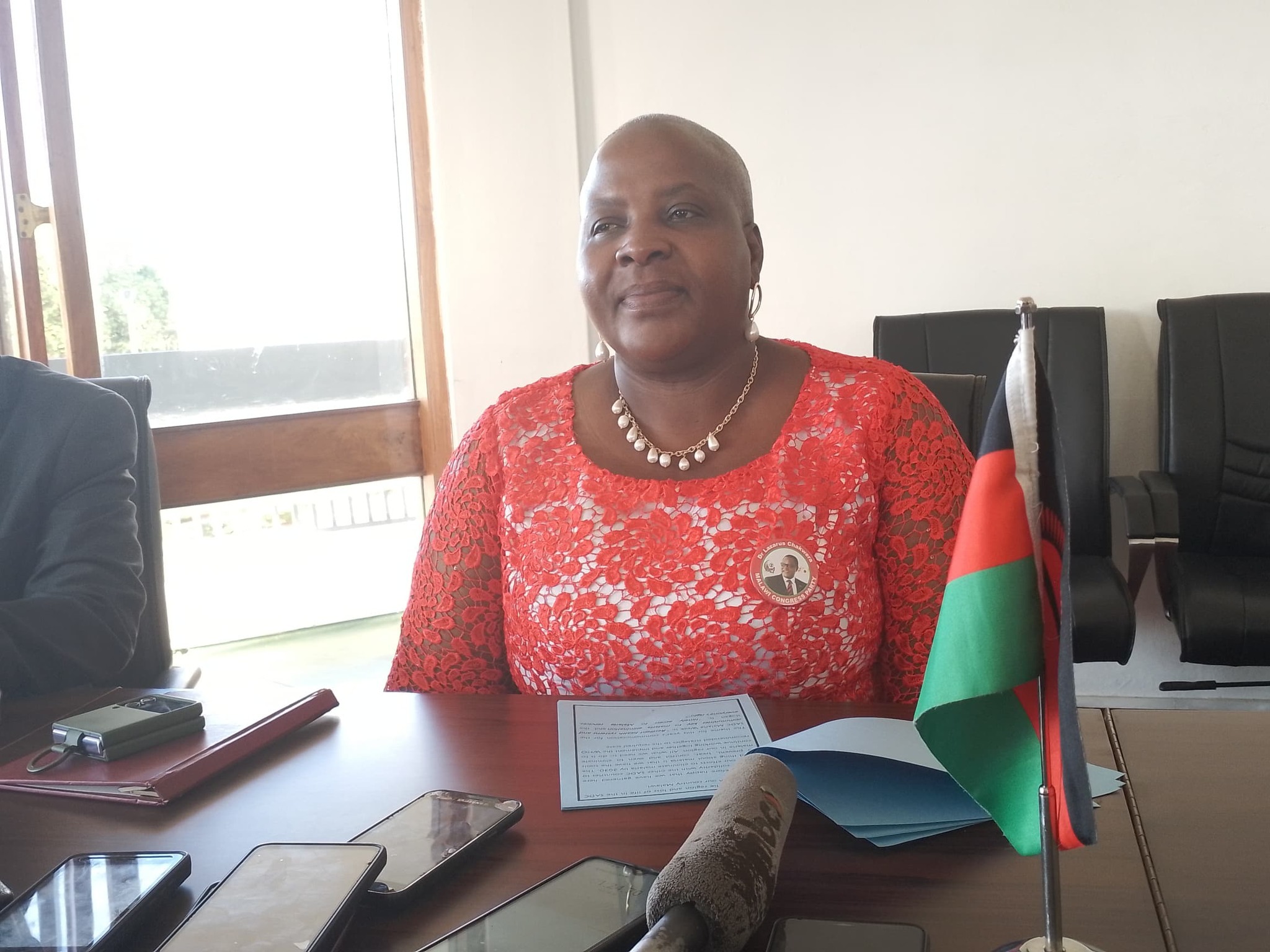
    Minister of Health Khumbize Kandodo Chiponda has said community participation is vital in all malaria control and prevention interventions.

    Speaking on Monday at a press briefing in Lilongwe in commemoration of Southern Africa Development Community (SADC) Malaria Week, Chaponda said interventions like distribution of treatable mosquito nets and insecticide residual spray (IRS), which the government is implementing, cannot work effectively if communities do not take part.

    She said the malaria week gives an opportunity to Malawi and other countries in the region to celebrate progress made in controlling malaria, which remains one of the highest causes of deaths for pregnant women and children.   

    “Last year alone, 1,800 people died of malaria in the country and 20 percent of patients seeking services as out patients in most hospitals are diagnosed from the disease.

    “As government, we are committed to ensuring that people access interventions which the government is implementing,” said Chaponda, adding Malawi has endorsed the Malawi Malaria Elimination Strategy, whose goal is to eliminate malaria in the country by 2030.

    She added: “President Lazarus Chakwera launched the ‘Zero Malaria Starts with Me Campaign’ in Liwonde to eliminate malaria by 2030; we have been distributing treatable mosquito nets to pregnant women and we do that with support from our partners like World Vision, Momentum, Global Fund, USAID and many more partners. We also introduced insecticide residual spray in some districts, Fansidar to pregnant women and recently malaria vaccine.” 

    The strategy, among other things, aims at increasing the proportion of the population protected by at least one malaria vector control intervention.

    Chief of Party for Global Fund Grants for World Vision Malawi, Dr Bizwick Mwale, said the IRS campaign implemented by the institution in four districts has led to a decline of malaria cases. 

    “We spray the insecticides on the walls of houses. We have been in the districts of Balaka, Mangochi, Nkhatabay and Nkhotakota and for three years now; we have seen a decrease in the number of malaria cases, which is commendable,” he said. 

    He then called on other organizations to scale up their efforts in combating malaria by supporting government interventions aimed at eliminating malaria by 2030.

    “Resilient health systems and communities: key to malaria elimination” is the theme for this year’s SADC Malaria Week. 

    By Sarah Munthali