Author: Madalitso Wills Kateta

  • Can Malawi tackle climate change, food insecurity through real time data? 

    Can Malawi tackle climate change, food insecurity through real time data? 

    A transformative movement is taking root in the country. Driven by a dynamic group of 300 young individuals from 13 districts across the country, the Rapid Feedback Monitoring System (RFMS) initiative is combating the profound challenges posed by climate change and food insecurity.

    Launched in 2020, the RFMS project has become a vital tool for addressing the urgent needs of communities that are increasingly vulnerable to climate shocks. Engaging young data collectors from within a particular enumeration area, the RFMS is not only gathering real-time climate information but is also fostering resilience and laying the groundwork for sustainable development.

    “The figures that are there for instance those who lost their jobs, affected by hunger will give a planning section for the council on what intervention should be done to help the people affected,” says Daniel Mandala Disaster Risk Management Officer for Nsanje.

    Understanding the Landscape of Vulnerability

    Malawi’s climate is changing, and the consequences are dire. Recurrent droughts, erratic rainfall, and flooding have devastated agricultural production, undermining the livelihoods of millions. Food insecurity is rampant, exacerbated by a dependence on rain-fed agriculture and limited resources to adapt to shifting environmental conditions.

    Recognizing the urgent need for localized responses, the RFMS, a tool developed by Relief Service (CRS)  in partnership with Cornell University and National Statistics Office (NSO) , empowers youthful enumerators that collect data from specific enumeration areas that informs community decision-making.

    Engaging with over 6,500 families and averaging 25 household interactions per month, these young leaders are turning information into action.

    Sarah Mwang’oma an agricultural extension officer at Nsanje said that the RFMS study will strengthen the other existing studies that are carried by other stakeholders like the ministry of agriculture which regularly conducts food basket studies on a weekly basis.

    “At the ministry of agriculture we conduct weekly food basket studies at each agricultural extension planning area where we analyze the cost of food stuffs and their availability on the market and wherever households are affording to purchase the food items,” said Mwang’oma.

    The Power of Real-Time Data

    Real-time climate data plays a critical role in addressing food insecurity and fostering resilience. Through the RFMS, young data collectors gather insights on key climate indicators such as temperature fluctuations, rainfall patterns, and soil moisture levels.

    They also gather information on different social valuables such as information on the number of people that lost their jobs as well as crime statistics.

    This information is crucial for farmers as well as policy makers, enabling them to make informed decisions about how they can come up with solutions to different social challenges.

    “I regularly meet the local leadership to discuss the study finding, and these findings help us to find solutions to our local challenges,” says Kondwanj James, an enumerator at Kapeni in Blantyre.

    For instance, if the data indicates an impending dry spell, farmers can adopt drought-resistant crop varieties or implement water conservation practices.

    Such proactive measures can significantly mitigate the impact of climate shocks, ensuring that communities are not left scrambling for solutions when disaster strikes.

    Inspiring Success Stories

    The RFMS has already generated inspiring success stories that highlight the initiative’s transformative potential.

    In Blantyre, an enumerator noticed the rising number of food insecure families due to declining maize yields as a result of climate change extreme events.

    Armed with this knowledge, the area development committee contacted the local councilor who presented the problem to the local assembly. The result? An increase in the number of people that benefit from the lean season food support in the area from 200 to 900.

    Similarly, at Chipakuza Village in Chikwawa the RFMS data indicated that 92 percent of the population was food insecure. The community and its leadership identified a a large piece of fertile idle land which was only used for cattle grazing where they are practicing irrigation farming. This small-scale irrigation scheme has been a game changer allowing farmers to cultivate crops year-round, reducing dependency on seasonal rains and boosting food production.

    Building Community Resilience

    What sets the RFMS apart is its emphasis on community engagement. The youth involved in the project are not merely data collectors; they are educators and advocates. By sharing their findings with local communities, they foster a deeper understanding of climate challenges and empower residents to take action.

    “The enumerator comes with the findings which he shares to the community leaders, for instance the data this year indicated that our main problem was floods,” says village headman Chipakuza of Chikwawa.

    This approach has been instrumental in building community resilience. When people comprehend the implications of climate data, they become more inclined to participate in discussions about adaptation strategies. The RFMS thus acts as a catalyst for community action, encouraging collective responses to climate change.

    Chipakuza said after noticing that their houses were constantly attacked by flood waters they constructed a dyke which has completely changed the challenges the community used to face.

    Strengthening Strategic Partnerships

    However, for the RFMS to reach all districts in the country, it needs to forge partnerships with government, local and international NGOs, and educational institutions. These alliances will ensure that the data collected is not only utilized at the community level but also informs policy decisions and development strategies.

    “The collaborative approach which this study is using needs to be encouraged as this data collects all the relevant development aspects of the society,” said Felix Kambalame, COMSIP chairperson at Kapeni in Blantyre.

    For example, collaboration with universities would facilitate advanced data analysis, allowing for more nuanced insights into food security challenges. This research would inform local governance, leading to the implementation of policies that support sustainable agricultural practices and climate adaptation.

    “This study is helping us to improve our farming practices, as we are now able how climate change is leading to low crop production, and how we can adapt to the changing climate patterns” said Gatonika Bulaki Area Civil Protection Committee member from Kapeni in Blantyre.

    A Vision for the Future

    As the RFMS study project continues to evolve, it faces the challenge of maintaining momentum and securing ongoing support from stakeholders. The success stories emerging from this initiative highlight its potential to transform not only individual lives but entire communities.

    “This data is a vital tool in social and economic development, we have also used this data to influence policy holders to understand our social needs,” said Joseph Jasi a Village Development Committee chair at Chipakuza Village in Chikwawa.

    Investing in the RFMS could be an  investment in the future of Malawi. With real-time climate data, stakeholders can help create a more resilient society capable of weathering the storms of climate change.

    The enumerators involved in the RFMS initiative are a testament to the power of local action in the face of global challenges. By collecting and utilizing real-time climate data, they are not just responding to food insecurity; they are forging a path toward a sustainable future.

    As climate change continues to threaten vulnerable populations, the lessons learned from the RFMS can inspire similar initiatives across the country. The fusion of data, youth engagement, and collaborative efforts can stimulate communities to adapt to the challenges of today while preparing for the uncertainties of tomorrow.
  • Where are the key population HIV funds going?

    Where are the key population HIV funds going?

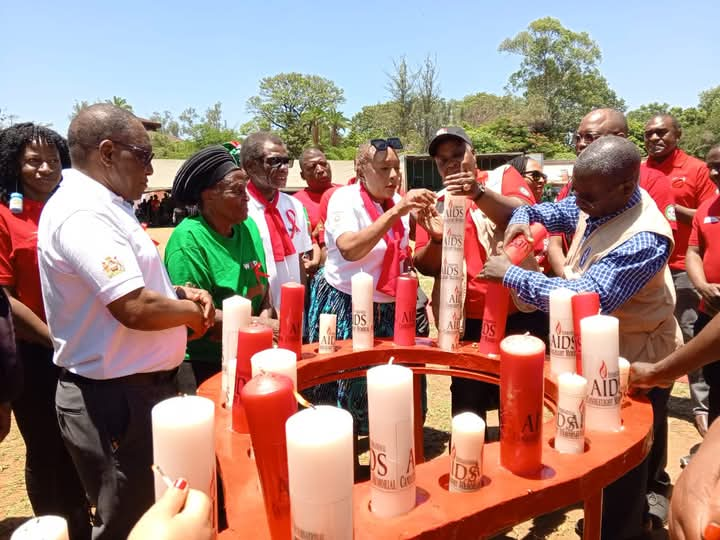
    This year’s World AIDS Day on December 1, the global community reflected 43 years since the CDC first alerted the world to the AIDS epidemic among young gay men in California.

    During this period, significant strides have been made in combating HIV and AIDS, particularly through international goals such as the 95-95-95 target, which aims for 95% of people living with HIV to know their status, 95% of those diagnosed to be on treatment, and 95% of those on treatment to have viral suppression.

    However, the story of Malawi’s key populations—LGBTQ individuals, sex workers, and other marginalized groups—presents a troubling paradox: despite national commitments and substantial international funding directed toward HIV interventions for these populations, progress remains stunted, and human rights abuses persist.

    Malawi has signed various agreements and made vocal commitments to include key populations in its national HIV response. These commitments are critical, given that these groups are disproportionately affected by HIV and face unique barriers to accessing health care. However, despite the promises, Malawi continues to grapple with the systemic issues that impede real progress, raising the question: Where is the money for key population HIV interventions really going?

    Stigma and Discrimination

    Key populations in Malawi, including LGBTQ individuals and sex workers, face relentless stigma, discrimination, and violence, both from the public and within the healthcare system. This discrimination is a significant barrier to accessing health services, pushing these vulnerable groups underground. As a result, they often do not seek the necessary care for HIV prevention, treatment, or management. Health professionals may refuse to treat LGBTQ people or sex workers, and fear of judgment or harassment can discourage individuals from seeking help.

    For these populations, accessing HIV testing, pre-exposure prophylaxis (PrEP), and antiretroviral therapy (ART) is a daunting challenge. Even when these services are available, they often come with the price of personal dignity and safety. The fear of being outed or criminalized for their sexual orientation or profession keeps people from engaging with the healthcare system. This gap in care not only increases the risk of new HIV infections but also perpetuates the cycle of marginalization and neglect.

    Broken Promises and Missing Targets

    Despite these glaring issues, Malawi has made commitments at the global and national levels to address the needs of key populations in its HIV and AIDS response programs. In line with the global 10-10-10 targets—aiming for 10% of people living with HIV to receive treatment, 10% to access prevention services, and 10% to be retained in care—it is expected that specific interventions would be tailored for key populations. However, this has not been the case in Malawi.

    Instead, funding allocated for these critical interventions is not always reaching those who need it most. Even though Malawi receives substantial financial support from international donors to fund key population-specific HIV interventions, these funds often fail to translate into real, on-the-ground changes. Health programs targeting key populations remain underfunded, underdeveloped, and poorly implemented, leaving these groups without the vital services and protections they need.

    Where Are the HIV Funds Going?

    The critical question remains: if Malawi has received considerable funds to support HIV interventions for key populations, where is the money going? International donors have made substantial investments, and the global community has consistently stressed the need for inclusive HIV responses. However, despite these resources, the country has failed to implement targeted strategies that address the unique needs of LGBTQ individuals and sex workers.

    The issue, in part, lies in the legal and policy environment. Homosexuality is criminalized in Malawi, and sex work is also illegal, creating an atmosphere of fear and reluctance to implement interventions aimed at these groups. Many NGOs and local organizations working with key populations report that the funding earmarked for HIV programs is often misallocated, siphoned off, or simply not used effectively. Additionally, there is little accountability in tracking the utilization of these funds.

    In some cases, funding meant for key populations is instead used for more generalized HIV programs, which do not adequately address the specific barriers faced by marginalized groups. For instance, resources are frequently diverted toward prevention campaigns that do not include LGBTQ individuals or sex workers as a target group. This lack of specificity and inclusivity in HIV programming perpetuates the health inequities that key populations face, leaving them vulnerable to higher rates of HIV transmission and other health challenges.

    A Struggle for Change

    Malawi’s failure to implement effective HIV responses for key populations can also be attributed to a lack of political will. The government’s public stance on HIV and AIDS, while often affirming global goals, is undermined by deeply ingrained societal and political attitudes that view LGBTQ people and sex workers as undeserving of care or support. These attitudes are exacerbated by conservative religious beliefs, which exert significant influence on policy decisions.

    In addition, key population issues are often sidelined in national policy discussions, and interventions targeting these groups are not prioritized in budget allocations. While there have been positive shifts in some areas—such as the introduction of community-led models for HIV prevention—these efforts remain largely isolated and lack the robust support needed for scale-up.

    The international community has a critical role to play in holding the Malawian government accountable. However, without the political will to create a more inclusive policy environment, the structural and legal barriers to HIV care for key populations will remain in place.

    Public Health at Risk

    The failure to address the needs of key populations has far-reaching consequences for the broader public health landscape in Malawi. When marginalized groups are excluded from the HIV response, it not only puts their health at risk but also compromises the health of the entire population. Undiagnosed and untreated HIV within key populations can lead to higher transmission rates, creating a new wave of infections that threaten national HIV control efforts.

    Additionally, the continued exclusion of LGBTQ people and sex workers from HIV care exacerbates the broader stigma surrounding HIV. This perpetuates the false notion that HIV is a disease of “other” groups, rather than a public health issue that affects everyone. As long as key populations are not fully included in HIV prevention, treatment, and care programs, the overall goal of ending the AIDS epidemic will remain out of reach.

    Looking Ahead

    As the world reflects 43 years of HIV and AIDS, it is crucial for Malawi to re-evaluate its commitments to key populations in its HIV response. The global 95-95-95 and 10-10-10 targets provide a framework for inclusive and effective HIV programming, but they cannot be achieved without a concerted effort to address the needs of the most vulnerable groups.

    For Malawi to truly honor its commitments to global HIV targets, it must take tangible steps toward addressing the barriers faced by LGBTQ individuals and sex workers. This includes dismantling discriminatory laws, creating supportive healthcare environments, ensuring the effective use of HIV funds, and fostering political will to create a more inclusive policy framework. Only then will Malawi be able to move closer to ending the AIDS epidemic for everyone, regardless of their identity or profession.

    The question remains: will Malawi honor its commitments and ensure that HIV interventions for key populations are not just promises on paper but actions that save lives? As we reflect on 43 years of the AIDS epidemic, the time for change is now.

  • Culture preserves threatened fish species at Malawi’s fishing island

    Culture preserves threatened fish species at Malawi’s fishing island

    Rabisoni Chipangula is Chikombe Beach Village Committee chair person who also doubles as secretary for Mbenje Island committee acknowledges how the traditional environmentalist principals set by their ancestors have helped to preserve fish species.

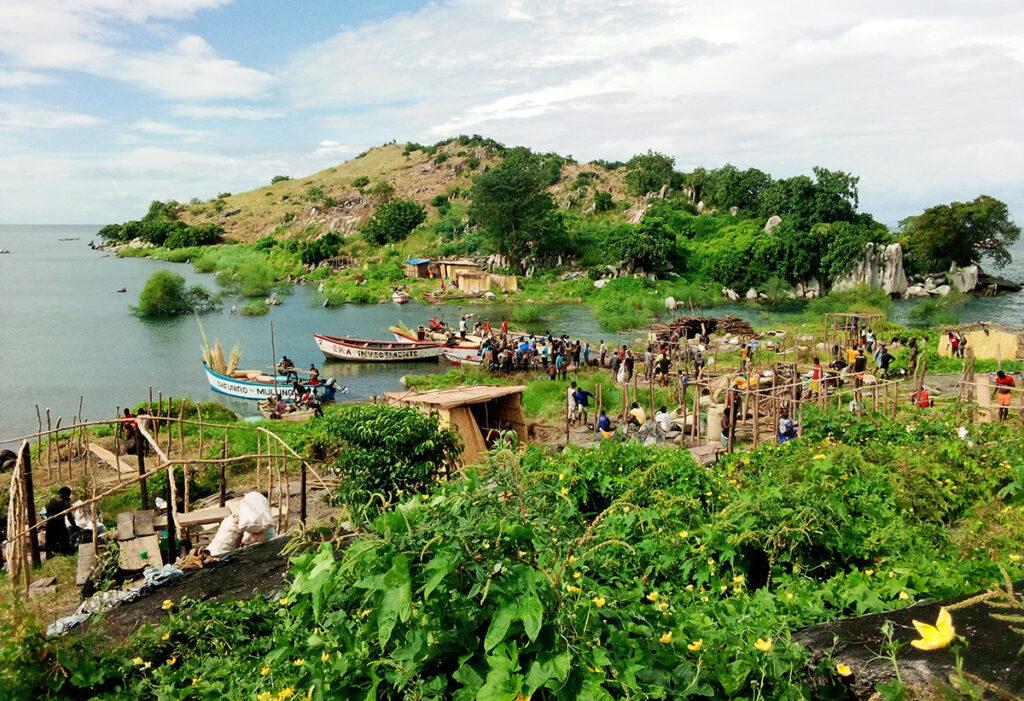
    Mbenje, a fishing Island in Salima district is according to Chipangula a very sacred place that is only visited by men and cannot be visited by any woman to avoid the wrath of the spirits who settled on the Island some 70 years a go to seek refugee from the war. He recalls one incident when a female Japanese journalist insisted going to the island and surprisingly got sick upon arrival at the island.

    “Our by laws say that women can’t go to the Island, life at the island is pure and very spiritual. We don’t allow drinking or smoking at the Island those found drunk at the island are suspended for 5 years,” says Chipangula.

    This he however says is not some form of gender discrimination but rather to have law and order at the fishing island which during the fishing season is home to around 3000 fishermen who are not involved in direct fish sales. Fish sales are controlled by women who buy the fish at the beach.

    “We don’t just fish at Mbenje, fishing is very regulated. Our fishing season starts in April when the lake is opened for fishing and closes in December, the opening of the fishing season is marked by offering sacrifices to our ancestors who died at the island”.

    He said the by laws were developed in such a way that they can allow both agricultural and fish production to thrive – allowing the fishermen to engage in agriculture production from December to April and fishing from between April to December.

    Mbenje is according to Chipangula indeed a strange place, having friendly snake species that can glow as long as two meters. These snakes can’t bite and as a rule no body is encouraged to kill a snake at Mbenje.

    Sumaili Kudimba a fisherman at the island says while the society at Mbenje respects gender values, they can’t compromise them with their cultural and traditional values.

    “Women are also not allowed at the island because of moral factors. There are 3000 men fishing at the island and if we allow women to go to the island there would be confusion as the men would compete over getting attention of the women,” he said.

    Feggie Mwale and influencer under the Reflesh project agrees that the approach being used at Mbenje is the best approach that can be replicated at other fishing villages.

    “I come from a fishing village in Nkhata Bay and I can honestly say that the Mbenje fishing model needs to be replicated in other areas. I don’t think by not allowing women to go fishing is gender discrimination rather its more about women empowerment as the women control much of the fish sales,” said Mwale.

    Lingson Kapindira Phiri who is also group village headman Mpilingidzo agrees that by not allowing women to go fishing the women are benefiting more from the fishing activities as they are the ones that control much of the fish sales.

    Ali Mdoka, who is also senior group Nyangulu and chairs the committee that regulates the opening and closing f the fishing season at Mbenje says the community uses culture to control the environment and fish and Mbenje because this is the only sustainable way of preserving fish species that are threatened in other fishing communities.

    “We have been using these laws since when our ancestors, the Makanjira and Nyangulu families settled on the island. These bylaws are easily accepted by the communities because unlike laws that come from central government, these laws are made by people from this area and we can easily enforce and respect them,” said Mdoka.

    George Alimu Phiri who is village head Kachere at Likoma Island said the approach being used at Mbenje is the best that can be replicated in other fishing communities. He said by making bylaws that are influenced by their cultural, traditional and spiritual values people of Mbenje have demonstrated a sustainable approach to protecting the fisheries sector.

    “I can accept that there is a problem of over fishing at Likoma where I come from and I believe if we can follow the approach being used at Mbenje we can protect our fish as well as police illegal fishing where fishermen use illegal fishing gear,” said Phiri.

    Senior chief Makanjira agrees that if the laws used at Mbenje can be replicated in other areas, they can help to protect Malawi’s fish species.

    “We need to replicate our ideas in other fishing communities. We can’t live in a country that breaks its own laws,” said Makanjira at the opening of this year’s fishing season at Mbenje.

    Daniel Jamu, Chief of Party for the Refresh a USAID funded project that is supporting 8 fishing communities to come up with sustainable fish management laws and practices said there has been an improvement in the way communities are managing their fisheries resources since the inception of the project.

    “We can’t take all the credit for what is happening at Mbenje, but through exchange visits that we have been organising we have observed an improvement in communities that were not sustainably managing their fisheries resources,” said Jamu.

    Additional Reporting: Owen Nyaka